Amalga Group
Amalga Group runs nearshore BPO teams out of Monterrey and Mexico City for US companies in legal, financial services, telecom, ecommerce, and technology. It started in 2021 placing individual specialists into US teams. By 2025 it sold managed BPO, dedicated teams that own an outcome, and the website still described the older business. Amalga counted eight ranking terms at discovery. Of the organic clicks the site earned, 96.8 percent came from people typing the founder’s name. Over one 90 day window, 42 buyers contacted Amalga through the site and 16 became deals. None closed. Sixteen weeks into the expanded program, the site had produced six closed-won deals, 32 marketing qualified leads, and 40 commercial pages that rank on terms buyers search.
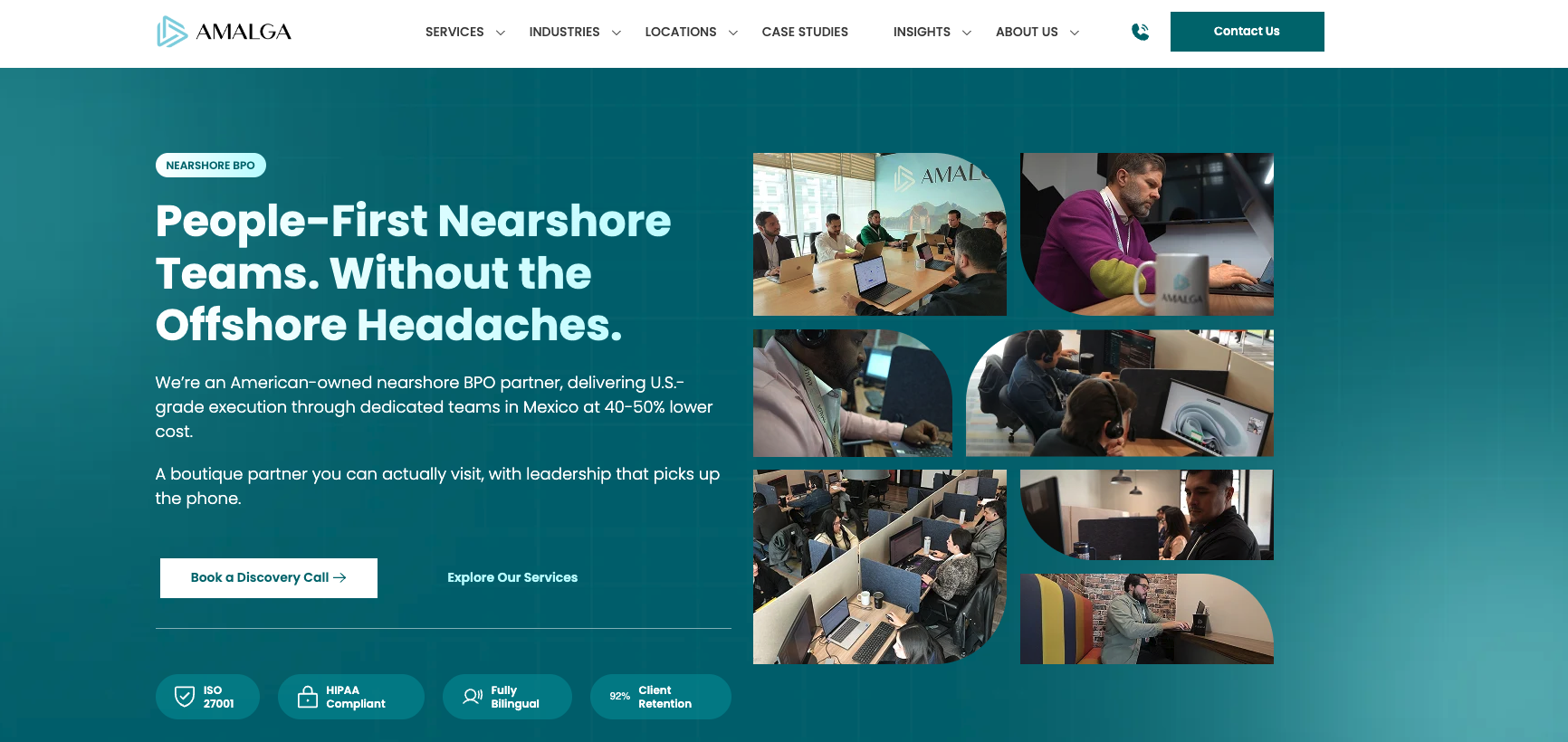

Amalga Group is an American-owned nearshore business process outsourcing provider, founded in 2021. It builds and runs dedicated bilingual teams in Monterrey and Mexico City for US companies. Services cover legal intake and records retrieval, customer experience and call center operations, finance and accounting, back office, and software engineering. Clients come from legal, financial services, telecom, ecommerce, and technology. The company is ISO 27001 certified, HIPAA compliant, and PCI compliant, and runs a client-facing office in Salt Lake City.


Project Summary
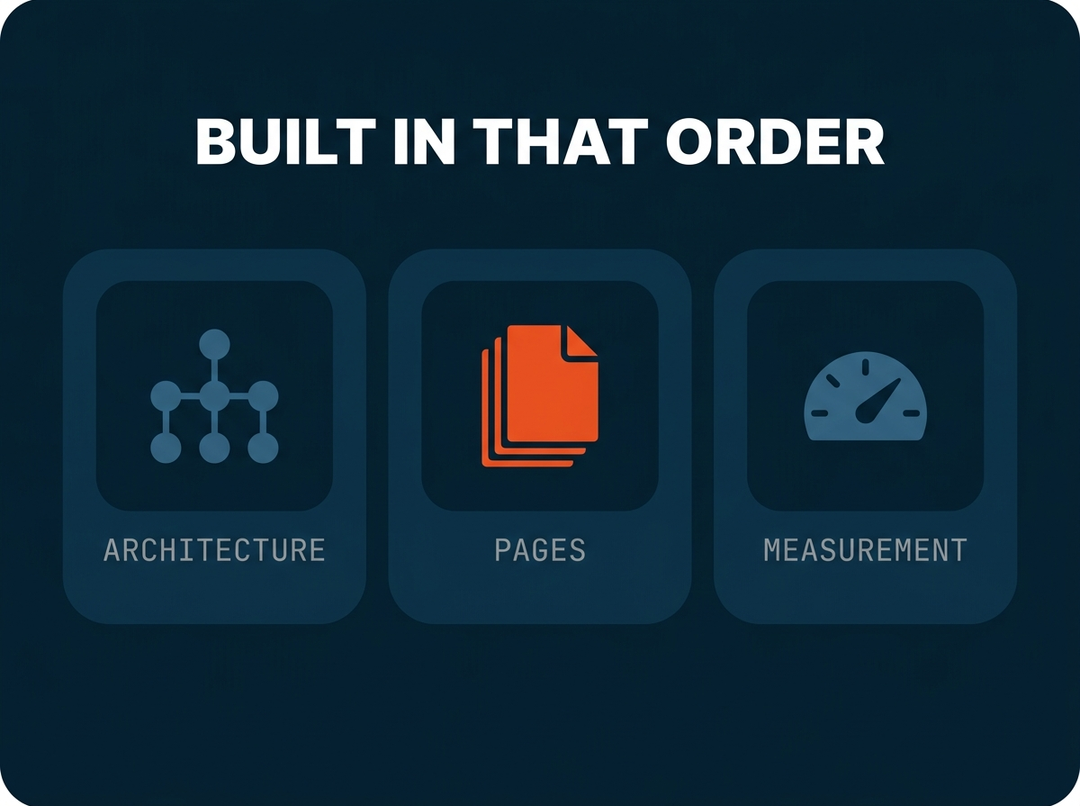
DAP started with architecture before content. The old site ranked for the CEO’s name and little else, split its authority across three domains, and dropped its deals into the wrong pipeline with no value attached. We mapped a commercial page set to keywords Amalga could win, wrote the copy for every page, folded the legal subdomain back into the main domain, and rebuilt the measurement layer so each lead traces to the page that produced it. Amalga’s developers built and published the pages. Forty commercial pages are live today, with 20 supporting articles behind them. Six deals closed through the site in the first 16 weeks.
The Challenge
 Positioning Debt
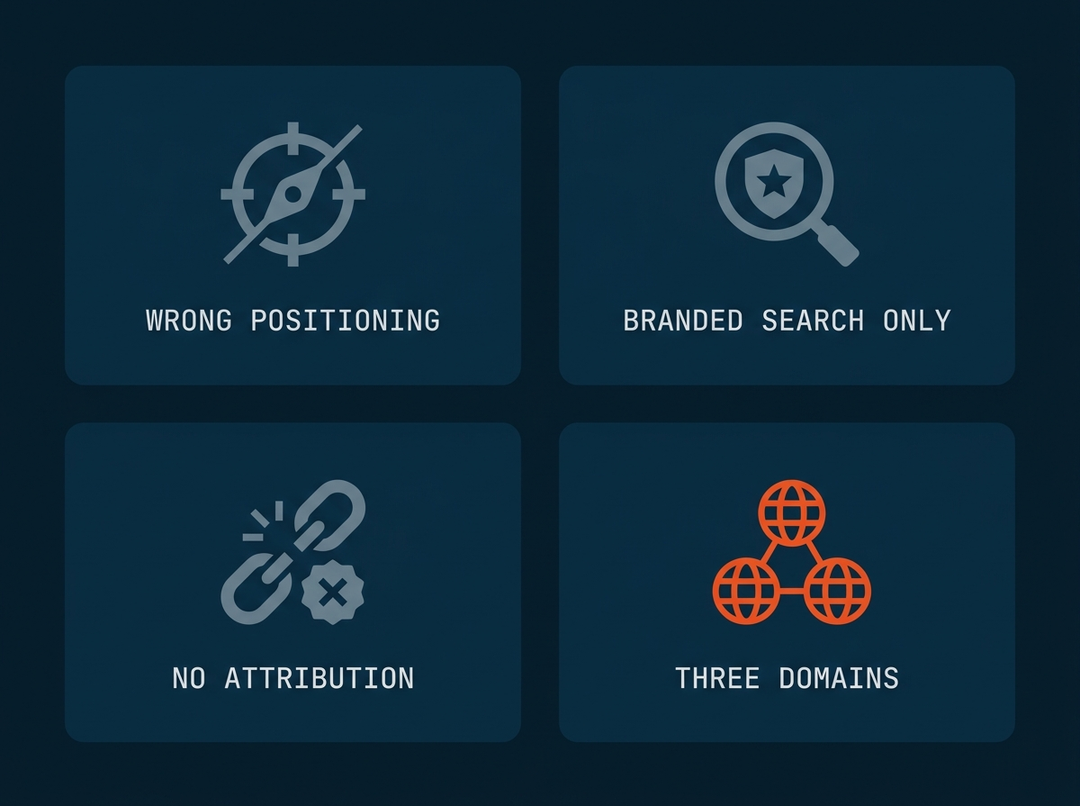
The Website Described the Wrong Business
Amalga sells managed BPO: dedicated teams that own an outcome and report against the client’s KPIs. The website still described the business Amalga used to be, placing individual specialists into someone else’s org chart. An outside assessment found the company was selling its team’s experience rather than its own. Service pages listed more than 20 capabilities in dense bullets, which made a specialist read as a generalist. A buyer looking for legal intake or telecom CX could not tell from the page that Amalga did either.
 Branded Search Only
96.8% of Organic Clicks Were the Founder’s Name
The site earned 807 organic clicks over 90 days. 781 of them were branded. Non-branded search produced 26 clicks against 23,536 impressions, a click-through rate of 0.11 percent. The strongest page was the CEO’s bio, at 25,708 impressions and 42 clicks. Buyers who already knew Amalga found it. Nobody else did.
No Revenue Attribution 42 Website Contacts, 16 Deals, 0 Closed-Won
In the same 90 days, 42 people contacted Amalga through the website. Sixteen became deals. None closed. The cause sat in the CRM, not the sales team. Twelve of the 16 deals were in the wrong HubSpot pipeline, 13 belonged to one rep, and none carried a deal amount. The longest stalled for 42 days.
 Fragmented Domain
Two Subdomains, Six Duplicate URLs, Eight Ranking Terms
Content lived on three hostnames. The legal and tech subdomains ranked against the main domain and split authority three ways. Over 28 days, the legal subdomain returned 76 query-page pairs and 592 impressions for zero clicks. Six internal URLs duplicated pages that already existed. Four of those bounced above 80 percent and converted nobody. Mobile PageSpeed scored 5 out of 100.
How We Helped Amalga Group
A Site Architecture Built Around What Amalga Sells
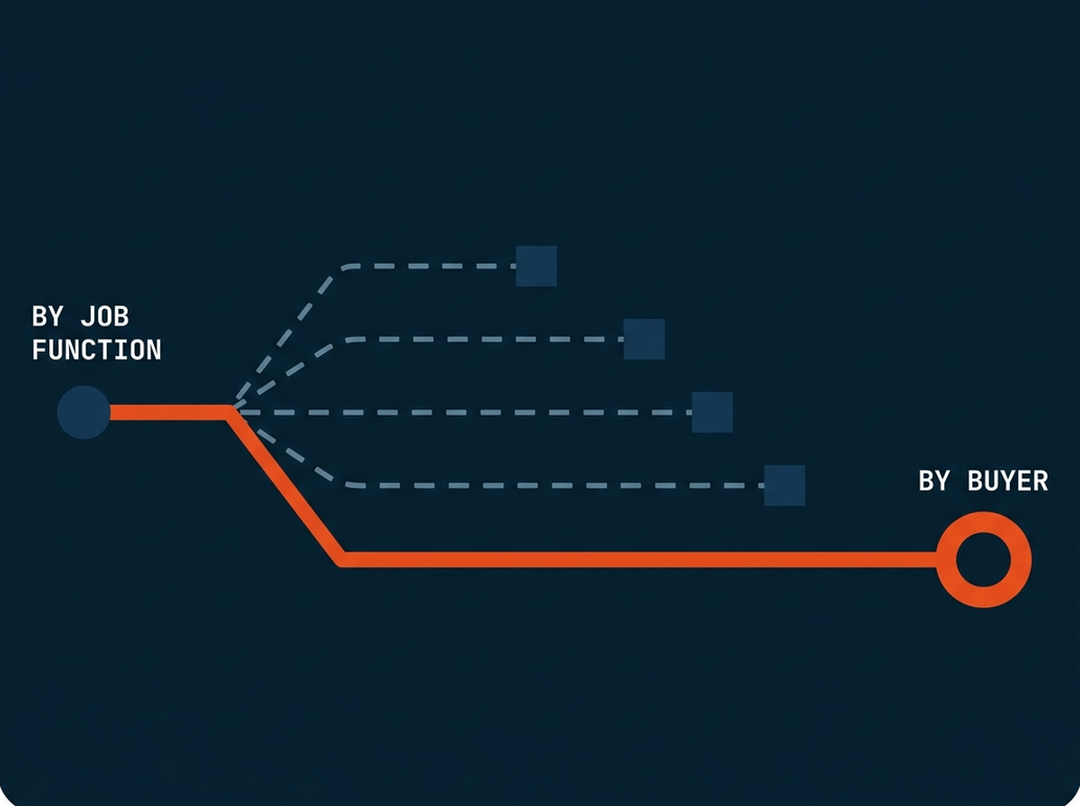
We redrew the site map before writing a page. The old structure followed job functions. The new one follows the buyer: their industry, the service they need, and their market.
- Five industry hubs for legal, financial services, telecom, ecommerce, and technology, each with commercial sub-pages
- Nearshore BPO services and nearshore teams split into separate service lines, so managed operations and dedicated teams stop competing for the same reader
- A locations tree for Mexico, Salt Lake City, and Dallas, with service sub-pages under each market
- A brand communications guide that retired the old category vocabulary and supplied the BPO language to replace it
- Positioning research that named the five verticals worth owning, out of the 20 Amalga could serve
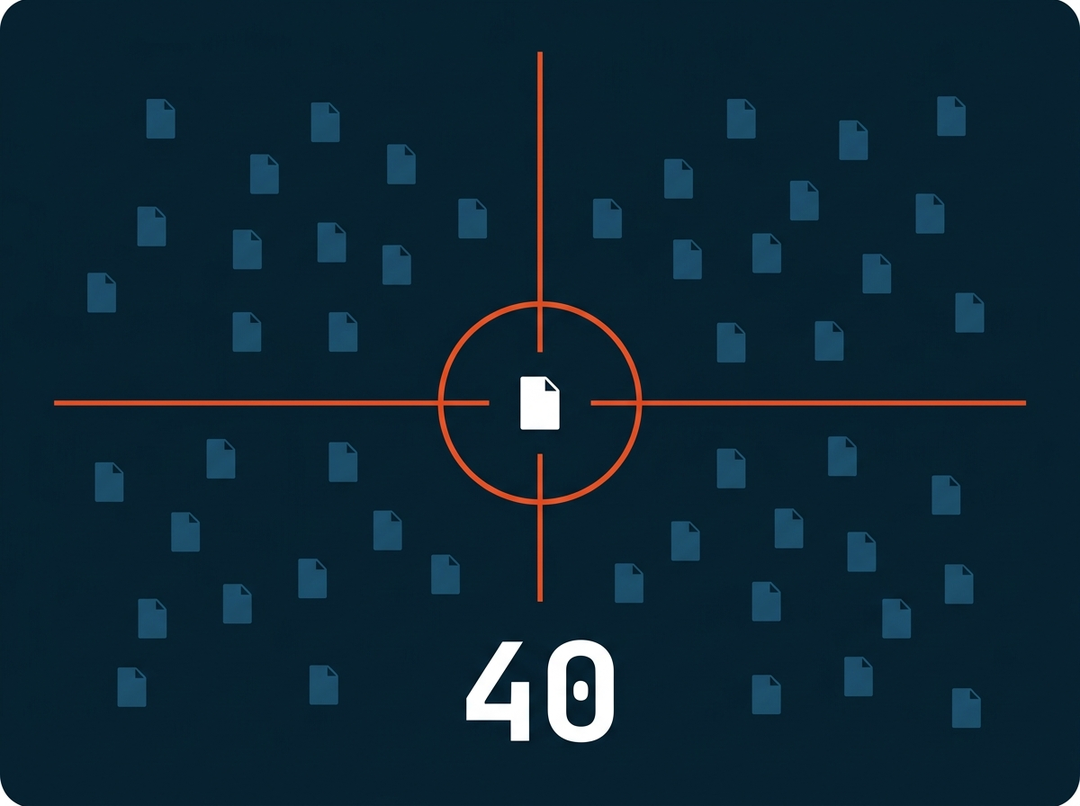
Forty Commercial Pages, Written to Win Specific Terms
Every page carried a primary keyword, a competitor word count, and a backlink target before drafting started. DAP wrote the copy. Amalga’s developers built it. That split is why a page set this size shipped in two quarters.
- Legal: an outsourcing hub, plus intake services, call center services, records retrieval, and a for-law-firms page
- Financial services: a BPO hub, with collections outsourcing and financial services call center outsourcing beneath it
- Telecom and ecommerce hubs, each with a call center or customer service sub-page
- Twelve pages across the Salt Lake City, Mexico, and Dallas markets, including bilingual answering service and call center outsourcing
- Thirteen nearshore service pages covering software development, finance and accounting, back office, QA, data engineering, and systems integration
- All 40 pages return HTTP 200 today
Twenty Articles That Support the Commercial Pages
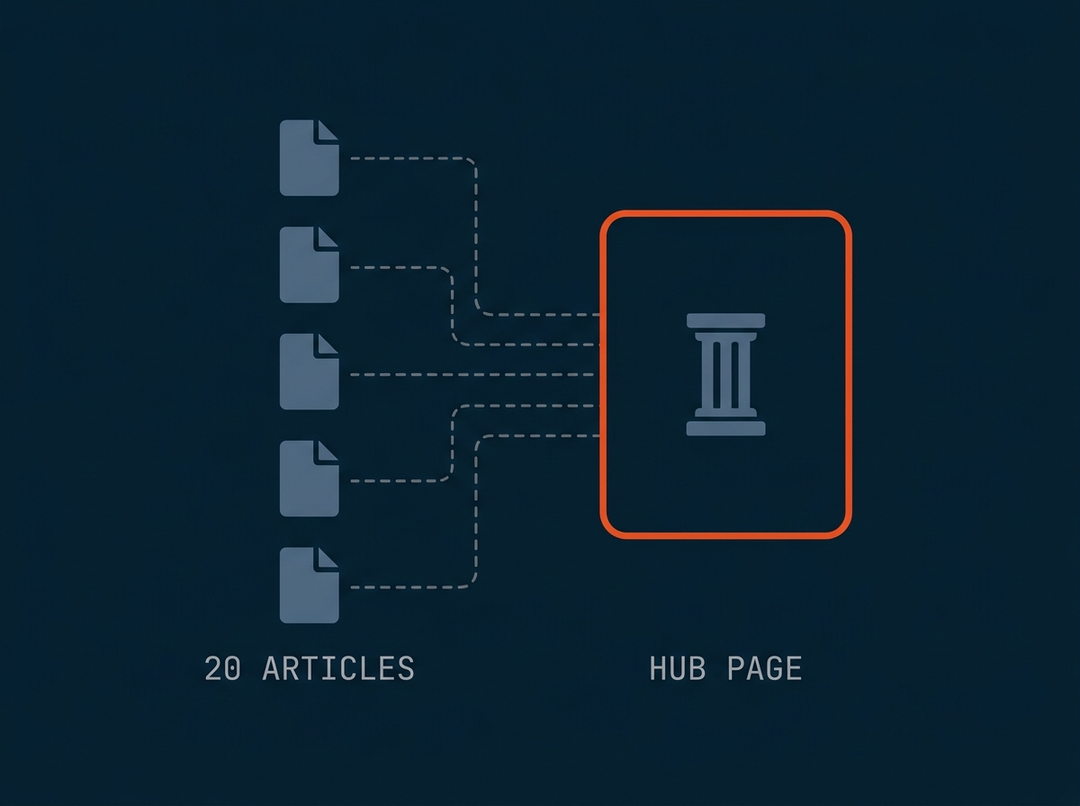
The article program makes the commercial pages rank. It does not fill a calendar. Each piece points at a hub page and answers a question buyers ask before they contact anyone.
- Four topic clusters: legal, financial services BPO, finance and accounting, and Salt Lake City local
- Articles run long where competition is thin, including a 6,224-word nearshore versus offshore comparison and a 5,635-word KYC remediation guide
- Each article links to its pillar page within the first two paragraphs
- Keyword assignments audited for cannibalization, with pages re-pointed where an article and a service page chased the same term
- Two articles that had returned 404 were found and republished
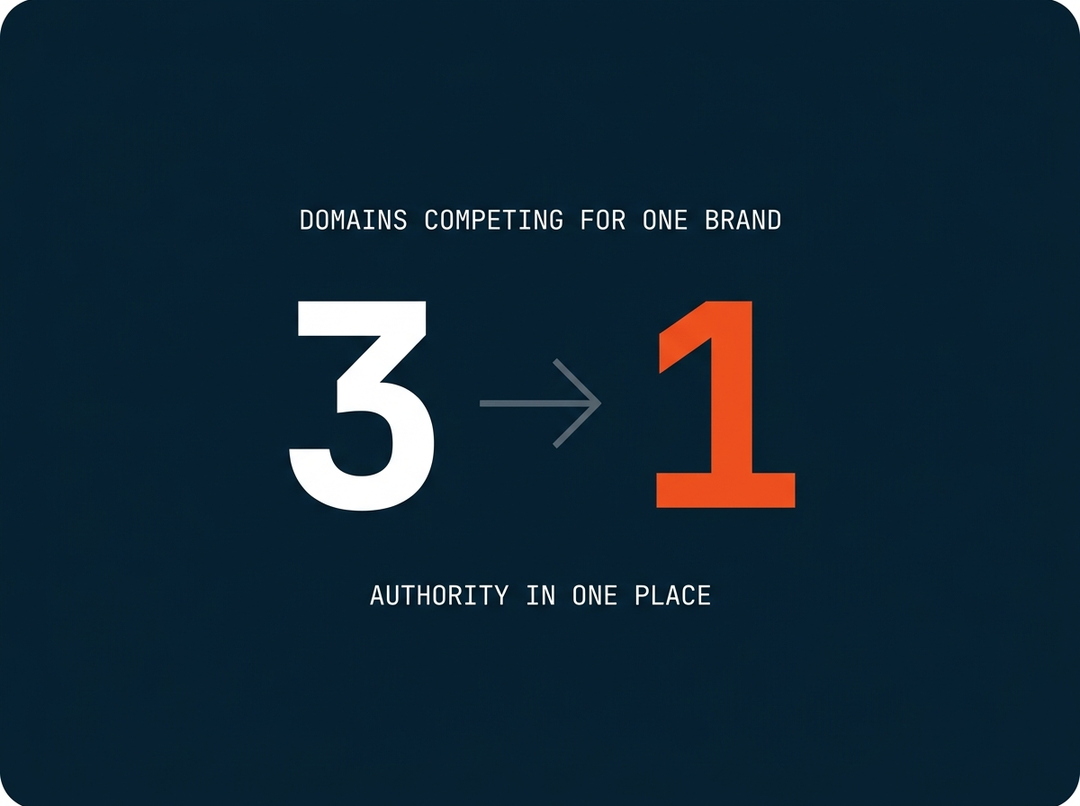
Three Domains Folded Into One
Amalga’s content sat on two subdomains and the main site. Each domain built its own authority and none built enough. This work moved the numbers more than any single page did.
- An audit of what each subdomain ranked for, and which main-domain page should hold each ranking
- Eight redirects specified to move the legal subdomain’s equity onto the main domain
- Six duplicate internal URLs mapped to 301s, including three call center service pages competing with each other
- Malformed double-slash URLs found in analytics and cleaned up
- legal.amalgagroup.com now redirects to amalgagroup.com/legal
A Measurement Layer That Proves a Lead
Amalga collected data it could not act on. Nobody could define what a conversion counted. Bot traffic inflated the totals. Closed deals carried no value. We rebuilt the reporting before asking anyone to judge the work by it.
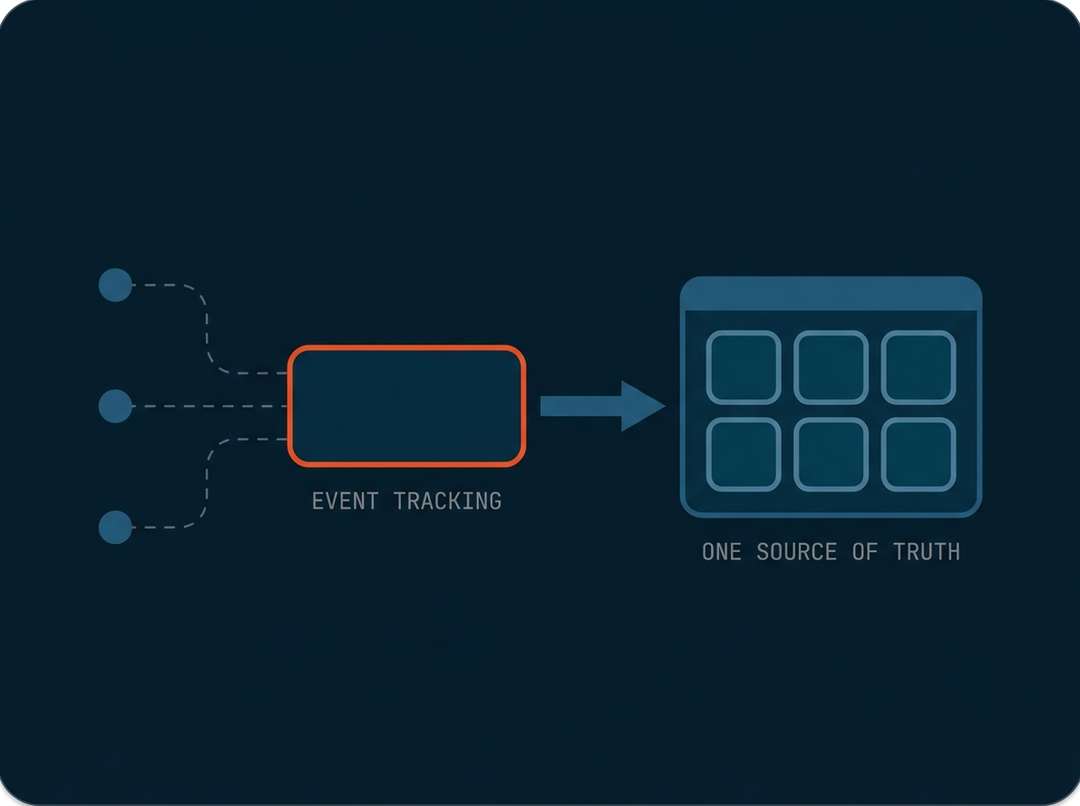
- GA4, Google Tag Manager, and Search Console audited and reconfigured, with event tracking rebuilt around form submissions, phone clicks, and consultation bookings
- Six new GA4 key events deployed through GTM for calculator and popup interactions, each verified in Preview mode and confirmed in DebugView
- Bot traffic isolated and excluded. June alone carried 4,836 bot sessions, up 3.4 times month over month, inflating the direct channel
- A HubSpot remediation spec: build the inbound pipeline stages, wire website forms to deals, backfill the 15 misfiled opportunities, and add a leadership view
- Monthly reports and quarterly business reviews rebuilt on the corrected numbers
What We Achieved

Six deals closed through the website between April 1 and July 23, 2026. Organic search sourced four of them. Outbound sourced two. In the 90 days before the program expanded, the same channel closed none.


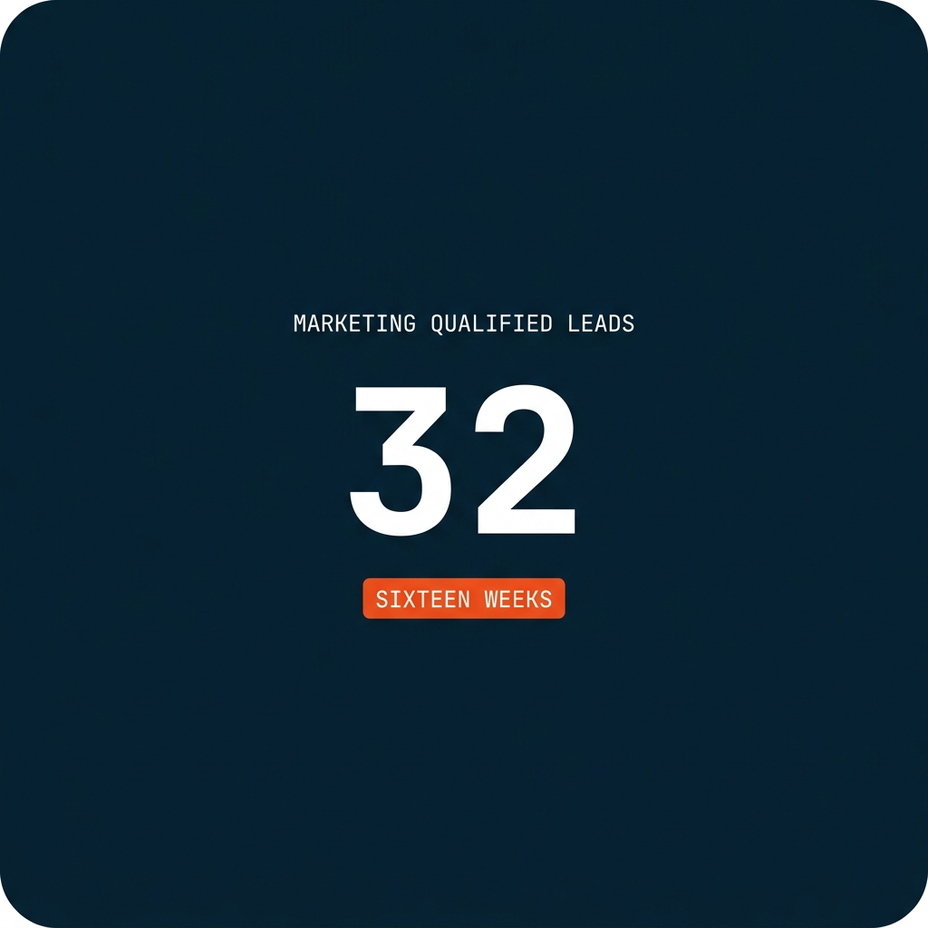
Thirty-two qualifying MQLs arrived between April and July 23: seven in April, six in May, nine in June, and ten in the first 23 days of July. July is a partial month.

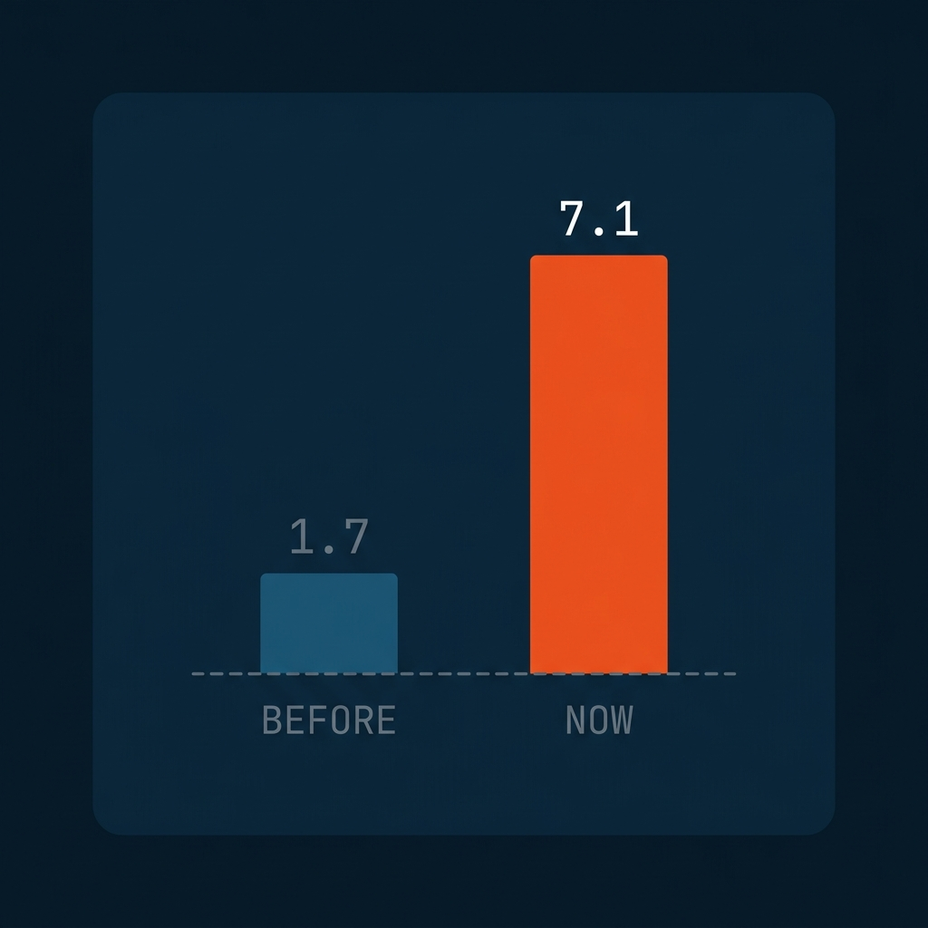
Legitimate organic leads averaged 1.7 a month in Q1 2026 and 7.1 a month from April to July. Counting direct alongside organic, the rate moved from 2.7 to 13.7 a month. Same website, same sales team.

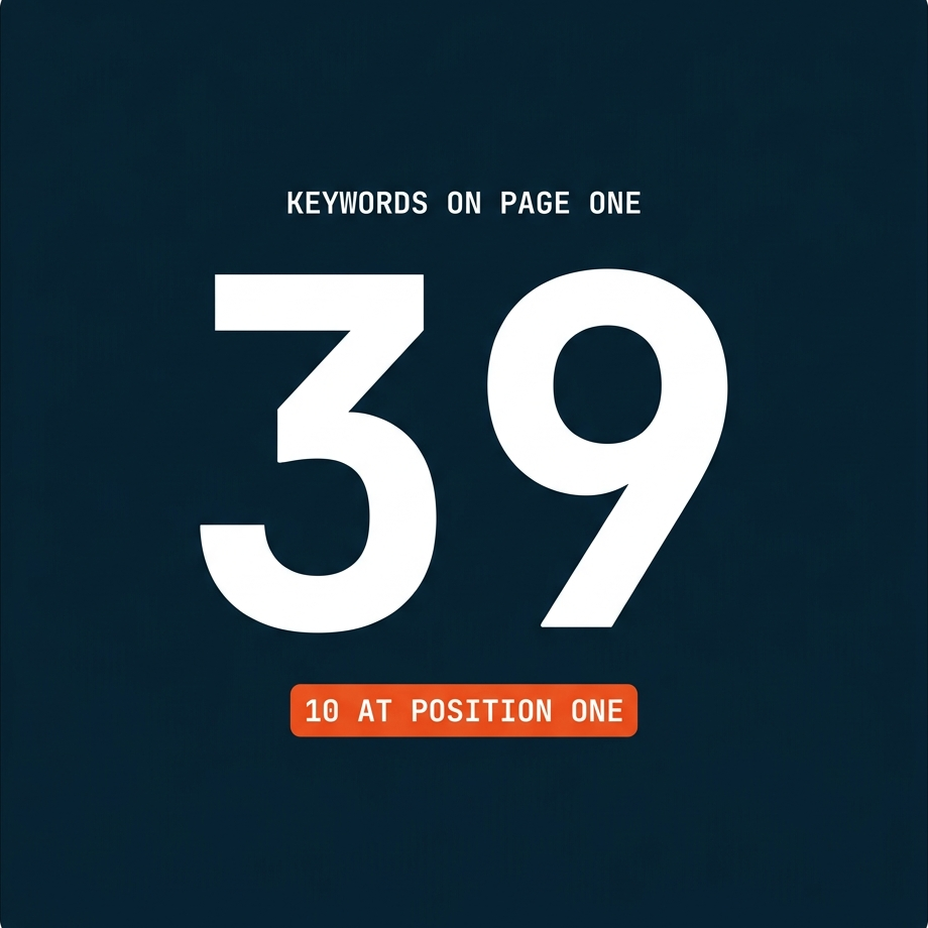
Amalga counted eight ranking terms at discovery. On August 14, 2026, 39 of 219 tracked keywords sat on page one, and 13 of those in the top three. Independent third-party tracking shows ten commercial terms at position one on September 1, including legal call center, outsource legal intake, telecom bpo, and nearshore software development in mexico.

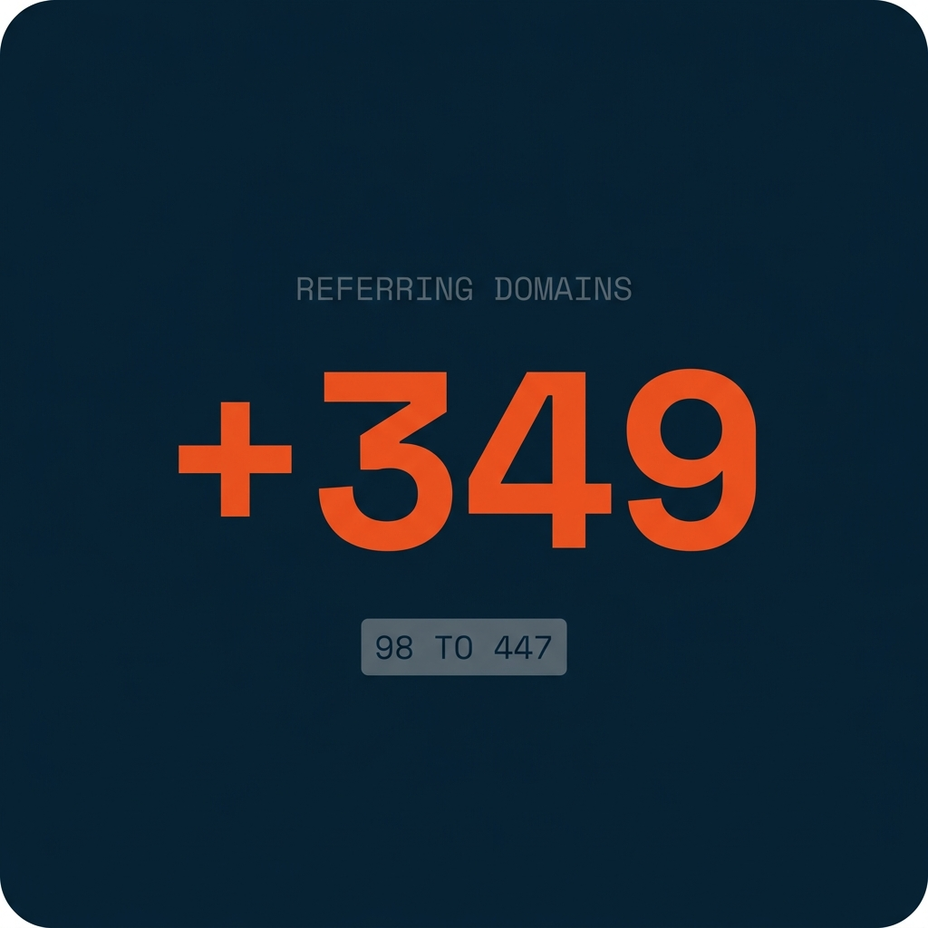
Referring domains went from 98 in March 2026 to 447 on September 1, 2026, measured against an independent backlink index. Guest placements ran on tmcnet.com, lawyer-monthly.com, legalreader.com, hr.com, and leaders-in-law.com. A backlink profile review assessed 357 domains and produced a 32-domain disavow file.

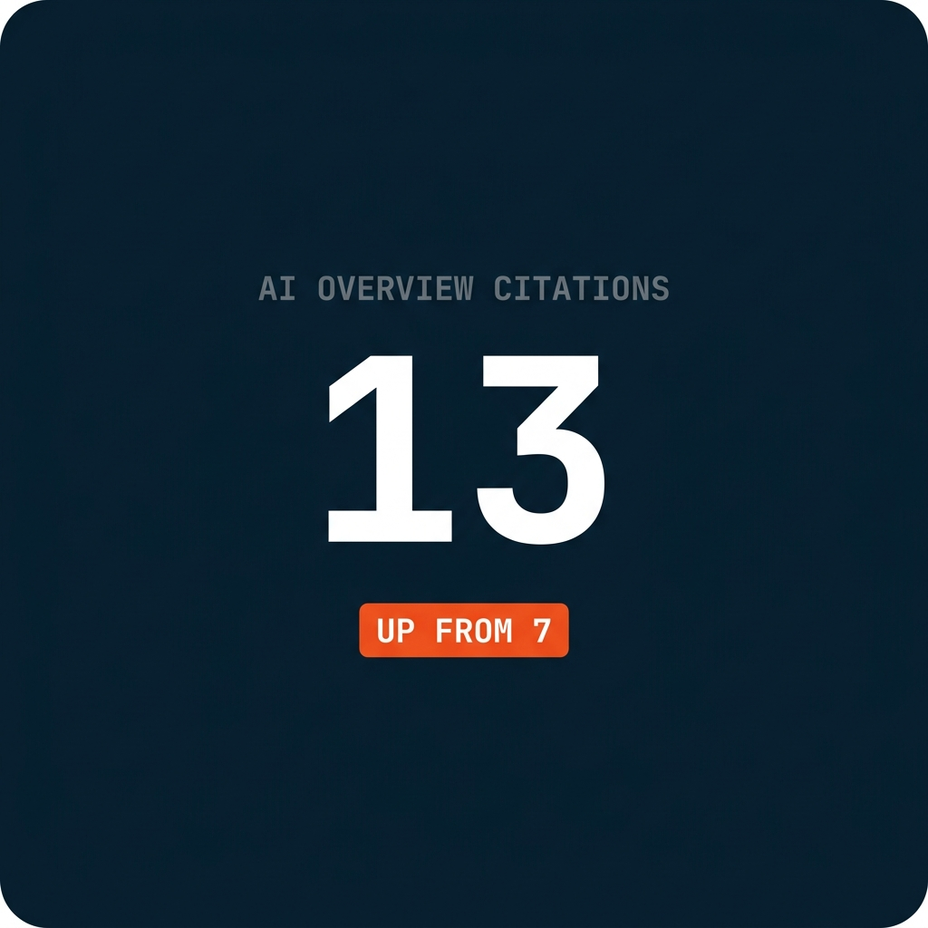
Google cites Amalga in 13 AI Overviews, up from seven at the end of April. The average position of cited terms improved from 5 to 3.4 over the same period.