Forman & Associates
Forman & Associates is a Louisville personal injury firm led by trial lawyer Larry Forman. The firm came to Digital Authority Partners through JurisGrowth, DAP’s legal marketing practice. Its Google Ads account looked healthy and was not. A twelve-month audit found $78,486.58 of spend and a reported cost per lead of $56.79. That figure rested on fifteen separate actions all counted as a lead, so Google scored a video subscription like a phone call. Nearly a third of the year’s budget had produced nothing measurable. DAP has run the account since July 1, 2026 and rebuilt it around the injury cases the firm takes. Since the new campaigns went live on August 18, the account has produced 45 leads. Across the searches Google reports, the share of spend reaching a real injury inquiry has risen from 24% to 53%.
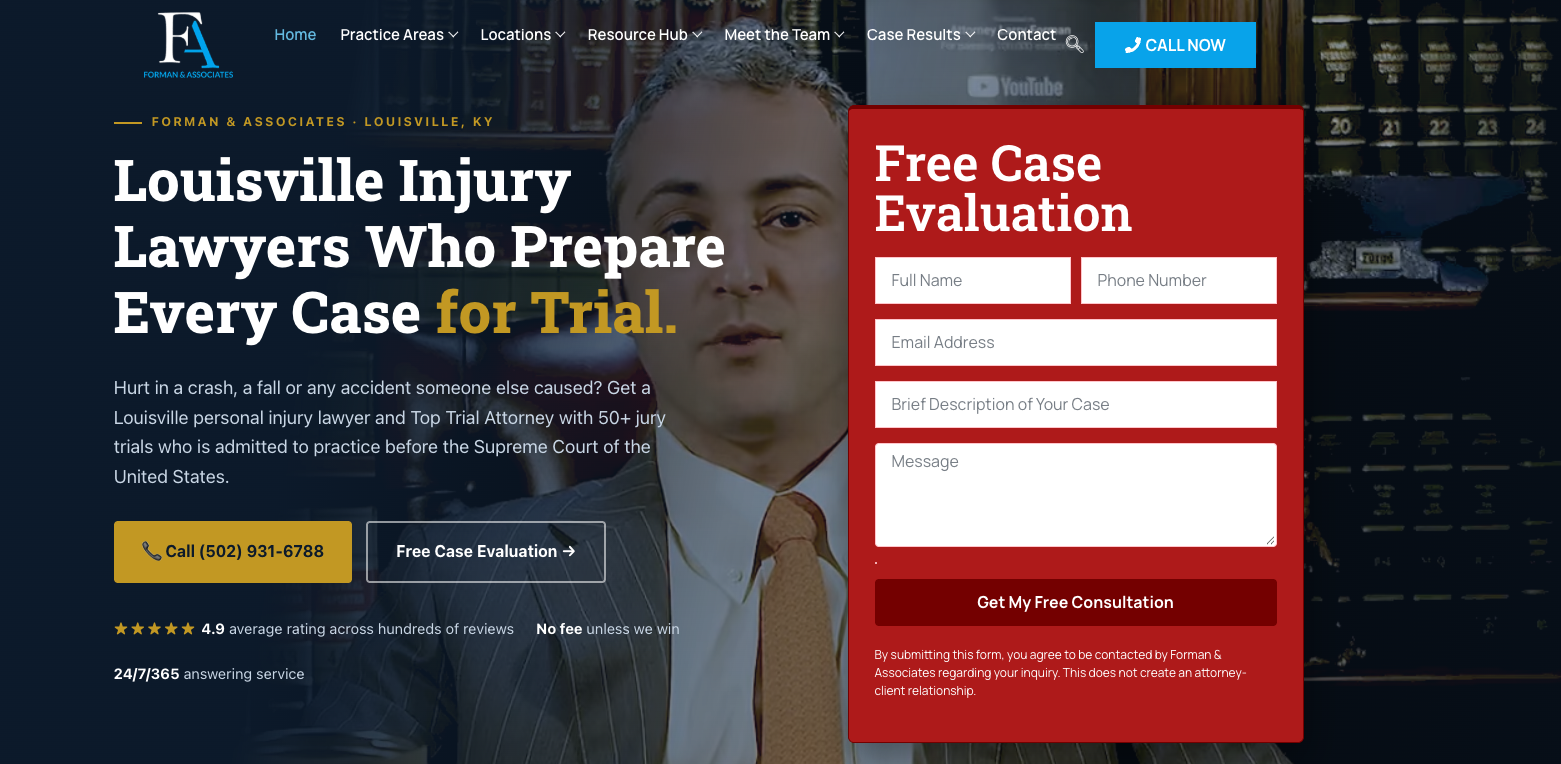

Forman & Associates is a personal injury firm in downtown Louisville, Kentucky. Trial lawyer Larry Forman leads it. The firm handles car, truck, and motorcycle crashes, premises liability and slip-and-fall claims, dog bites, workplace and catastrophic injuries, and wrongful death. Its reception answers around the clock, which is why its ads run at every hour.
Services We Provide


Project Summary
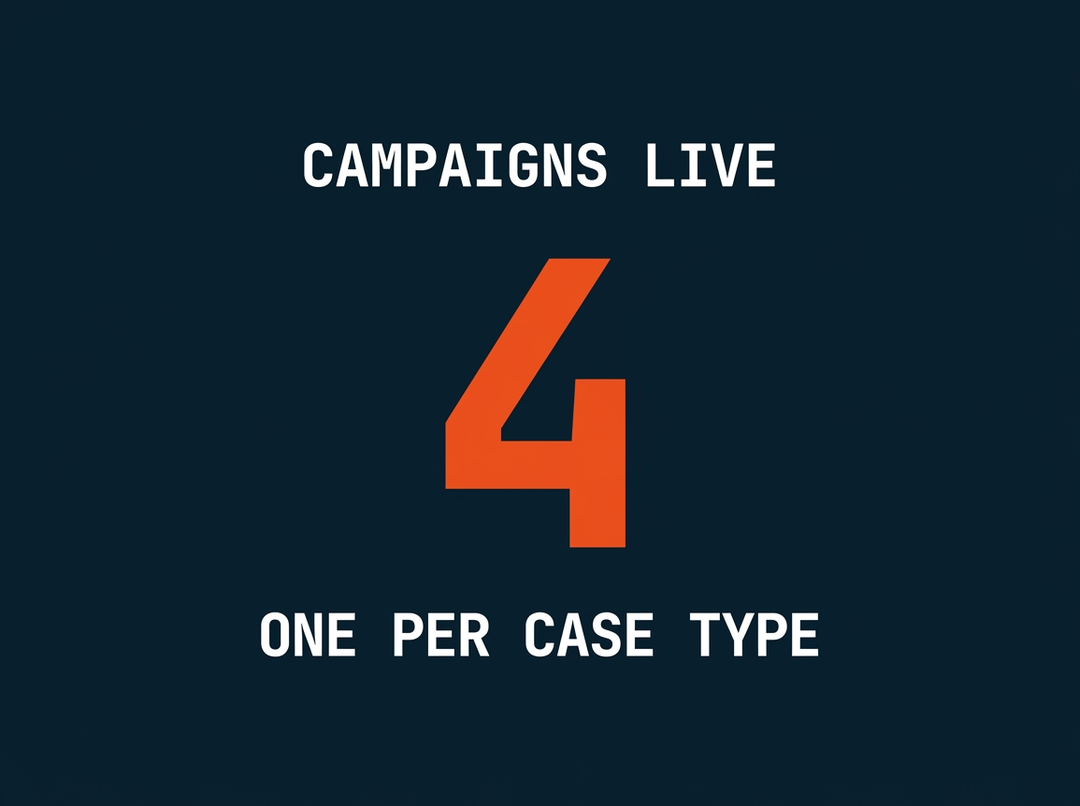
Digital Authority Partners took over the Google Ads account on July 1, 2026. The first six weeks went on the audit, the keyword research and the measurement rebuild, before a single new campaign spent a dollar. The rebuilt search program went live on August 18 with four campaigns. Each one is built around a case type the firm wants and a page that sells it.
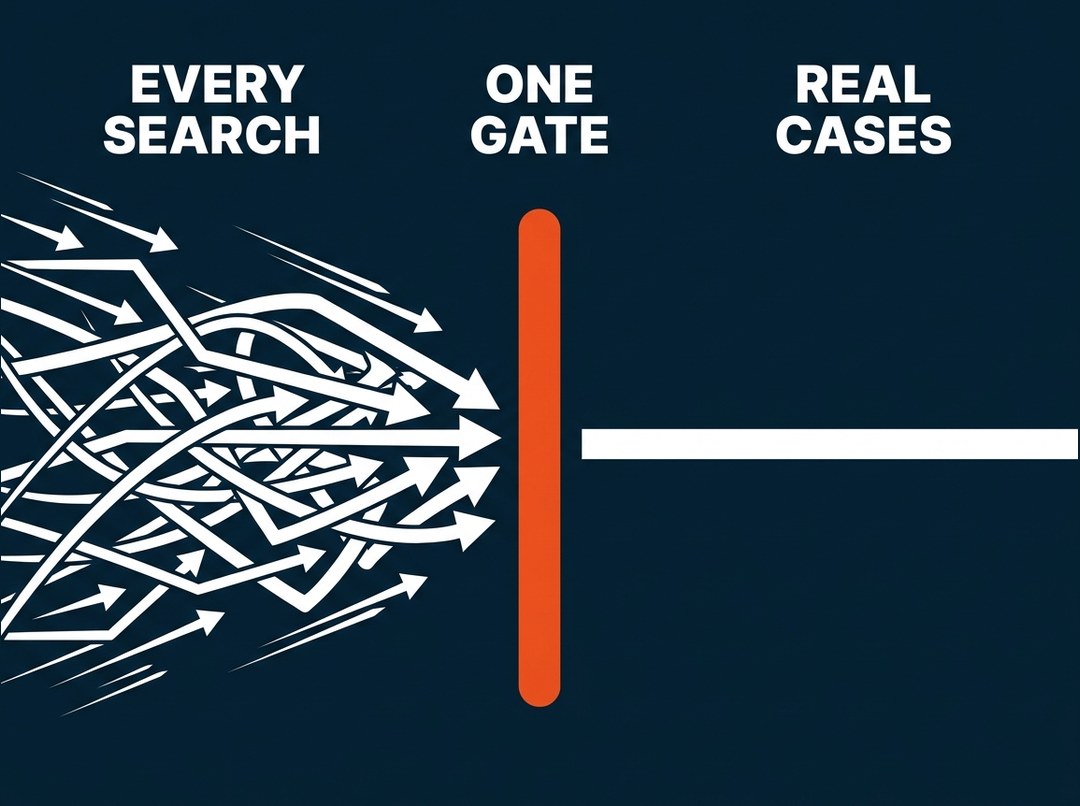
DAP cut conversion tracking from fifteen counted actions to the three that are real inquiries. Every cost per lead the firm now sees describes a person who called or filled in the form. Since launch DAP has reviewed every search that triggered an ad, every day. Budget has moved toward the case types that convert.
Between August 18 and September 29 the account produced 45 leads at $413 each. That sits inside the $250 to $450 a personal injury lead costs in Kentucky. The year before, nearly a third of the firm’s ad budget bought nothing that could be measured.
The Challenge
 Tracking That Counted Everything
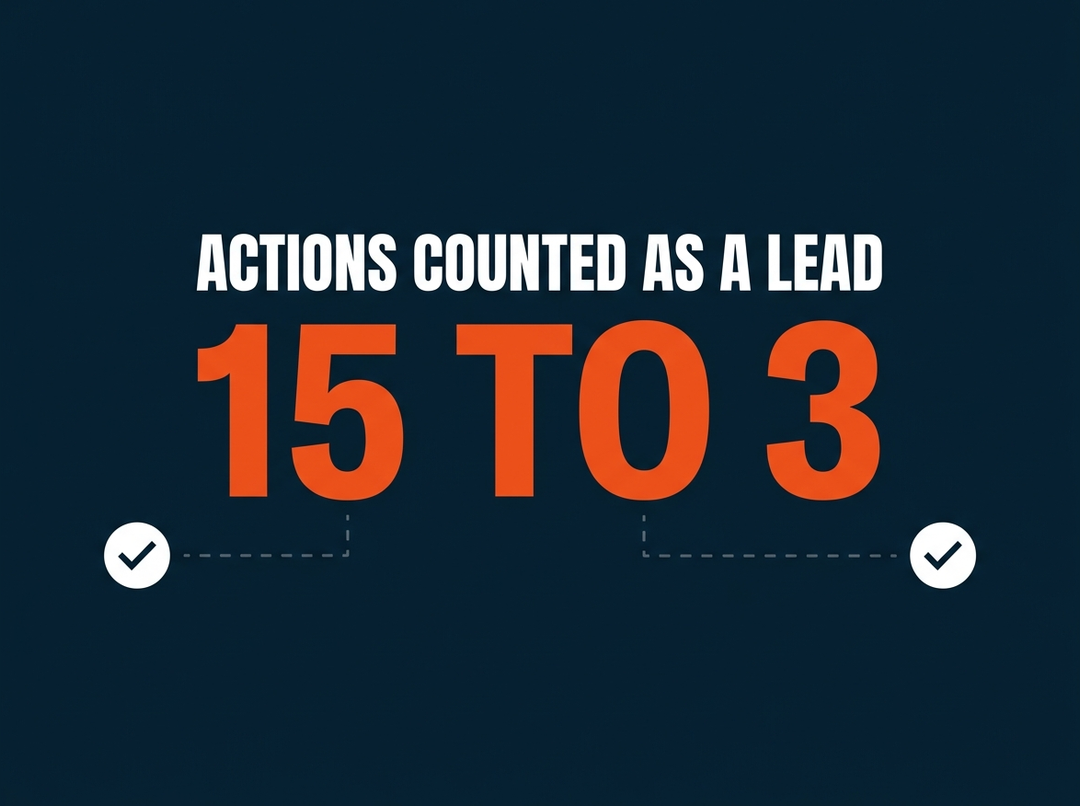
Fifteen Actions All Counted as a Lead
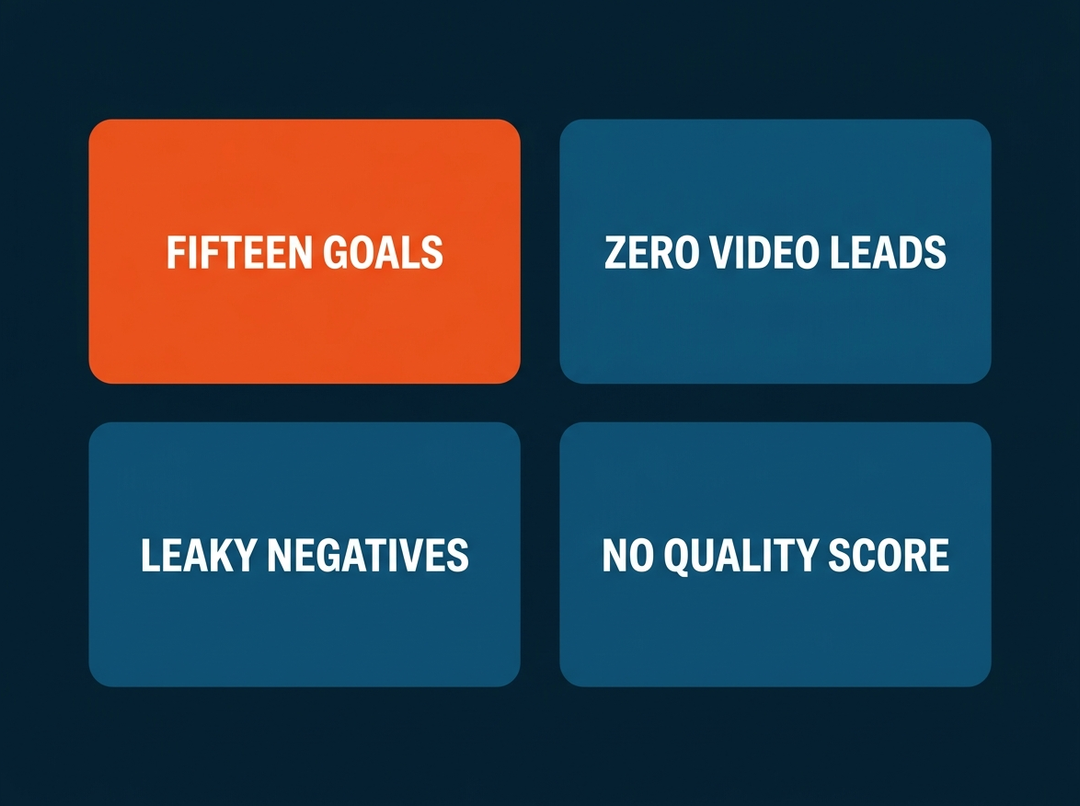
The account treated fifteen separate actions as a primary conversion, the label Google uses for the goal it bids toward. A video subscription, a request for driving directions and a phone call all counted the same. Only three were genuine inquiries, the two phone number taps and the free consultation form. Every cost per lead the account reported therefore described something other than a case.
 Budget That Produced Nothing
Video Advertising, Zero Conversions
A video campaign ran for twelve months and spent 28.2% of the total account spend. It recorded no conversions of any kind, not even by the inflated fifteen-action count. Connected television took some of that budget and returned nothing. Add the search terms that converted nothing and the entire budget produced no measurable result.
Exclusions That Did Not Exclude 3,040 Negative Keywords, 1,182 Too Narrow to Work
Negative keywords stop an ad showing on a search that will never become a client. The account held 3,040 of them, which sounds like protection. Of those, 1,182 were set to broad match, which blocks only the standalone word and nothing built around it. The negative civil blocked the search civil, while civil lawyer near me ran anyway and cost $63.52.
 No Search Program at All
Not One Keyword Had a Quality Score
Quality Score is Google's one to ten rating of how well a keyword, its ad and its page fit together. A high score buys a better position for less money. No keyword in the account carried one, because the firm's own search campaign had been paused. The main way to lower the price of a click was not available.
How We Helped Forman & Associates
Twelve Months of Spend Audited Before Anything Changed
A rebuild based on the account’s own numbers needs those numbers to be trustworthy first. DAP audited every campaign, setting and keyword list across the twelve months to June 2026 before proposing a single change.
- DAP reviewed ad spend across ten campaigns, two of them live and eight paused
- DAP traced every one of the fifteen conversion actions back to what it recorded
- Reading spend by device showed connected television taking a large chunk and returning nothing
- DAP checked all 3,040 negative keywords by match type, the setting that decides how widely each one blocks
- The paused search campaign’s own history showed 327 recorded conversions
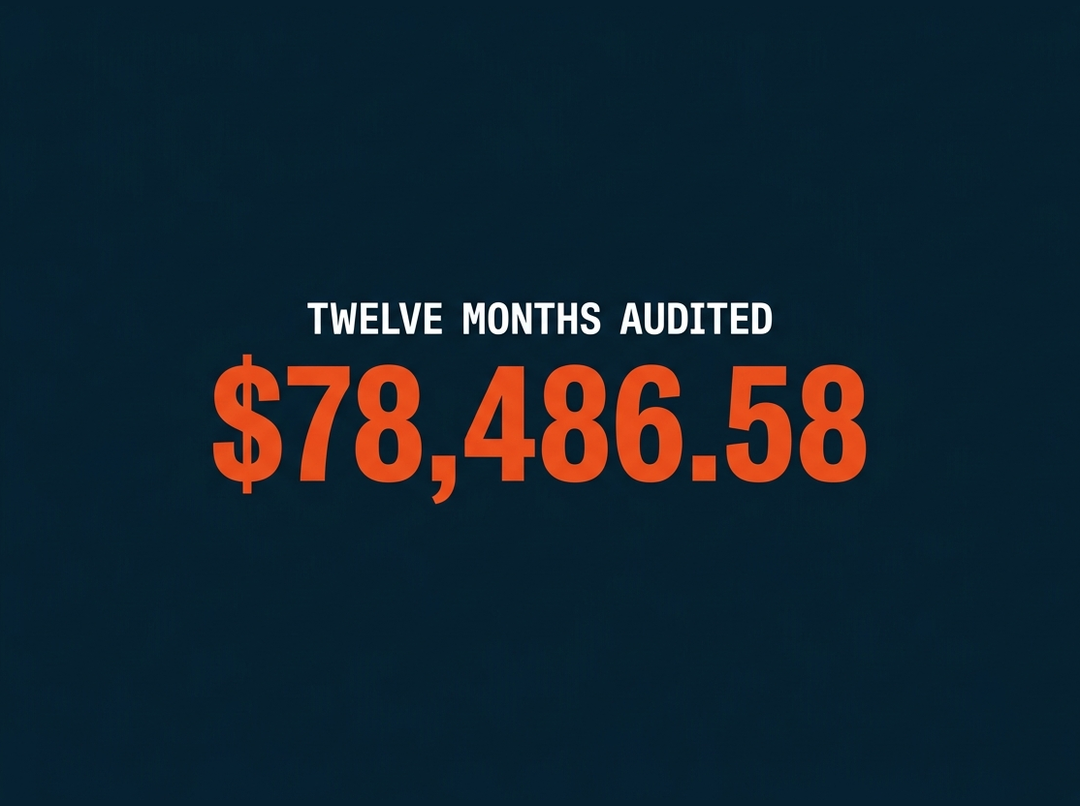
Measurement Rebuilt So a Lead Means a Lead
Google bids toward whatever it is told to value. A goal list that counts a video subscription will find more video subscriptions. DAP cut the list to the three actions that are genuinely a person asking for help.
- DAP kept three primary conversions, the two phone numbers on the site and the free consultation form
- DAP moved the other twelve to secondary, so the data stays visible without steering the bidding
- DAP removed a legacy Universal Analytics goal, a tracking method Google retired in July 2023
- DAP rebuilt the form tag on August 13 to fire on a dedicated thank you page, so a submission records once
- Signed matters now export from the firm's case management system into Google Ads, so bidding learns which inquiries became cases
A Campaign Built Around Each Case Type the Firm Takes
The old account bought cheap phone calls. None of its 122 converting searches carried injury intent. The new account buys searches from people describing an injury, on a page written for that injury.
- Every keyword passed an intent filter before launch, so it had to name an injury, a case type or a lawyer for one
- Four campaigns went live at launch, covering crashes, premises liability, brand protection and display retargeting
- Each case type got its own ad group pointed at its own page, from the car crash page through to premises liability
- Keyword research sized the market first, with 22,670 monthly searches behind the crash group and 1,020 behind premises liability
- The rebuilt campaigns went live on August 18, 2026, six weeks after the engagement began
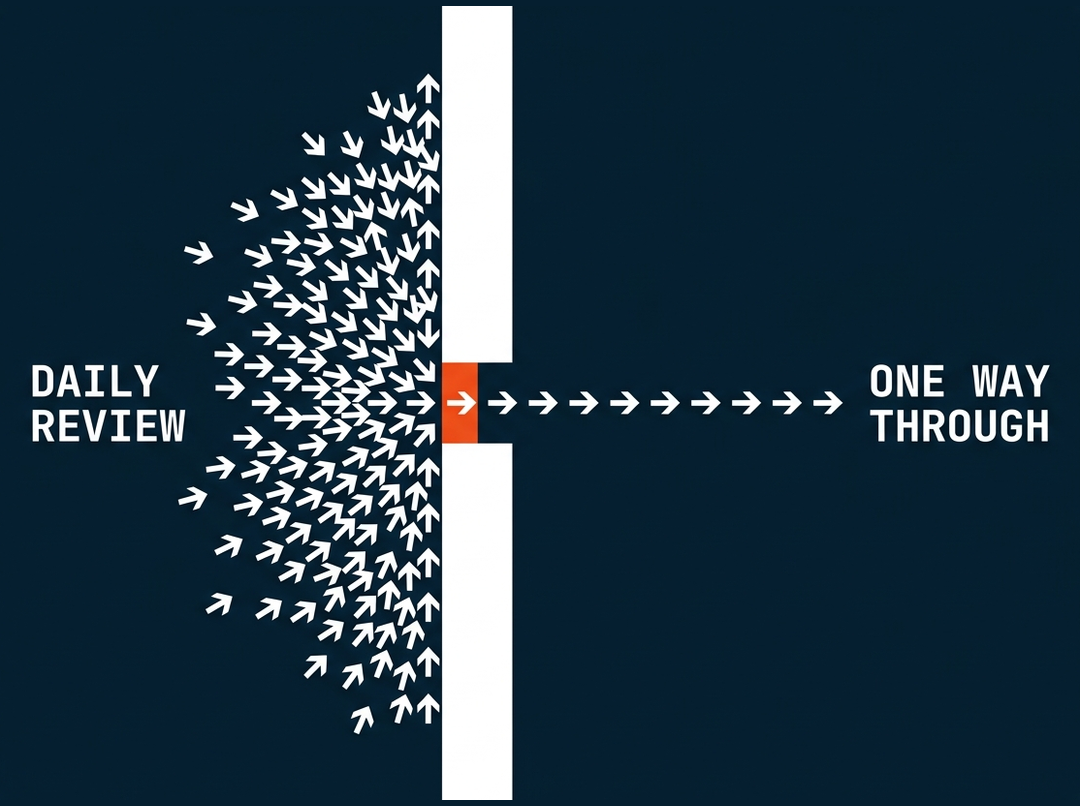
Every Search Reviewed, Every Day
A personal injury click in Kentucky costs $30 to $60. Paying twice for a search that will never become a case is expensive. DAP reads the search report daily and closes the gaps it finds.
- 2,038 exclusions now run across two lists, with 1,955 of them added during September
- DAP checks every term against the last twenty-four months of converting searches first, which is why 63 terms that did convert stay open
- DAP paused 16 broad keywords that spent without producing a lead, which freed about $316 a day
- Rival firm names stay blocked, because the firm's position is not to bid on competitors by name
- DAP removed three geographic exclusions, so inquiries from southern Indiana towns inside the firm's own fifty-mile radius reach the account
The Best Case Types Given Their Own Budget
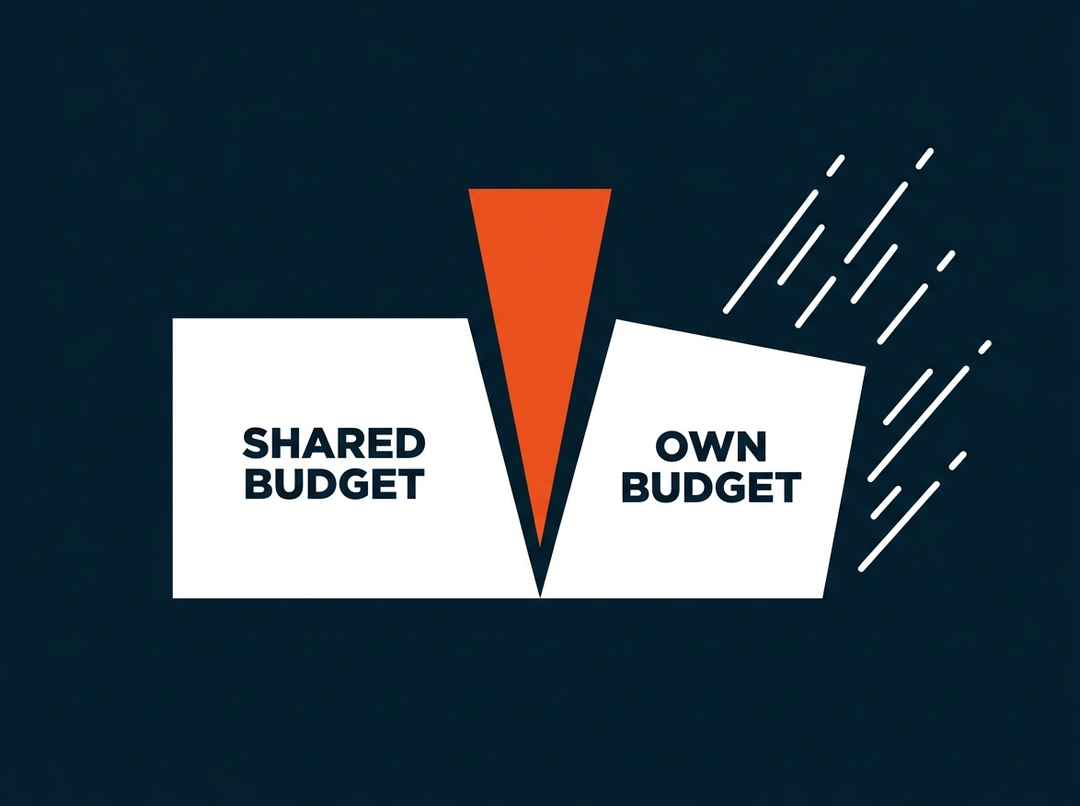
Google sets a budget on a campaign, never on an ad group. A case type sharing a campaign with a busier one therefore gets outbid from inside. DAP split the account so the cheapest leads stop losing to the broadest searches.
- DAP moved wrongful death into a campaign of its own so it stopped competing against general injury terms
- Car, truck and motorcycle crashes got a dedicated campaign on September 30, the case types producing the cheapest leads in the account
- A dog bite campaign built from the account's own performance data, with its copy and keywords ready to launch
- DAP set individual bids on 31 priority case type keywords, so the firm's best work is bid up rather than outpaced
- Brand protection got proper funding after DAP found it losing a quarter of its available views to a daily budget limit
A Target Built From the Market Instead of a Guess
The number a firm is promised at signature should match what its market costs. DAP measured the Kentucky market, then wrote a commitment the account can meet and reported against that.
- DAP delivered a Kentucky personal injury benchmark, built from Google's own Kentucky search data, the firm's live results, and five published industry studies
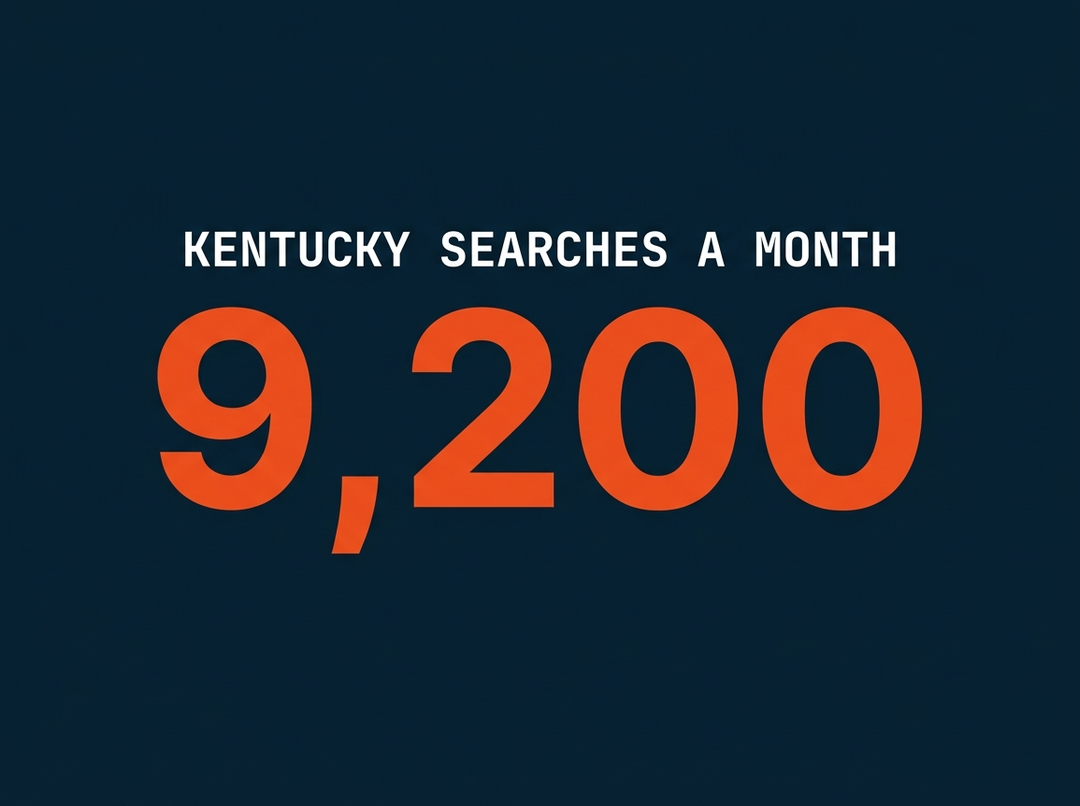
- Kentucky carries about 9,200 personal injury searches a month, with 2,600 of them in Louisville city
- A lead from Google Search costs $250 to $450 in this market, against a national average of $132 for all legal services in LocaliQ's 2026 search advertising benchmarks
- Reaching essentially every eligible personal injury search in Kentucky would take around $70,000 a month, which sets the ceiling on this channel
- The new monthly commitment comes from the firm's own account
What We Achieved

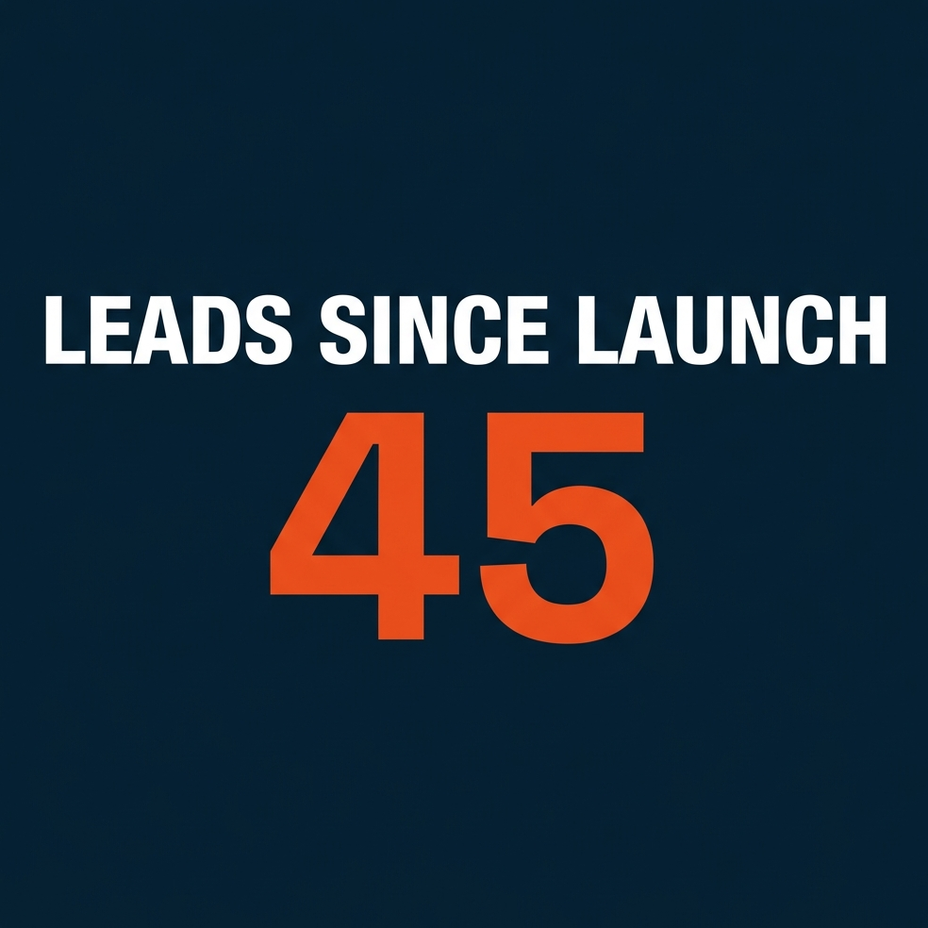
Between August 18 and September 29, 2026 the program produced 45 leads at $413 each. Each one is a call from an ad lasting sixty seconds or more, a phone number tap after an ad click, or a consultation form. That figure sits inside the $250 to $450 a personal injury lead costs in Kentucky. DAP counts the firm’s own Local Services listings separately, and they added 23 more leads.

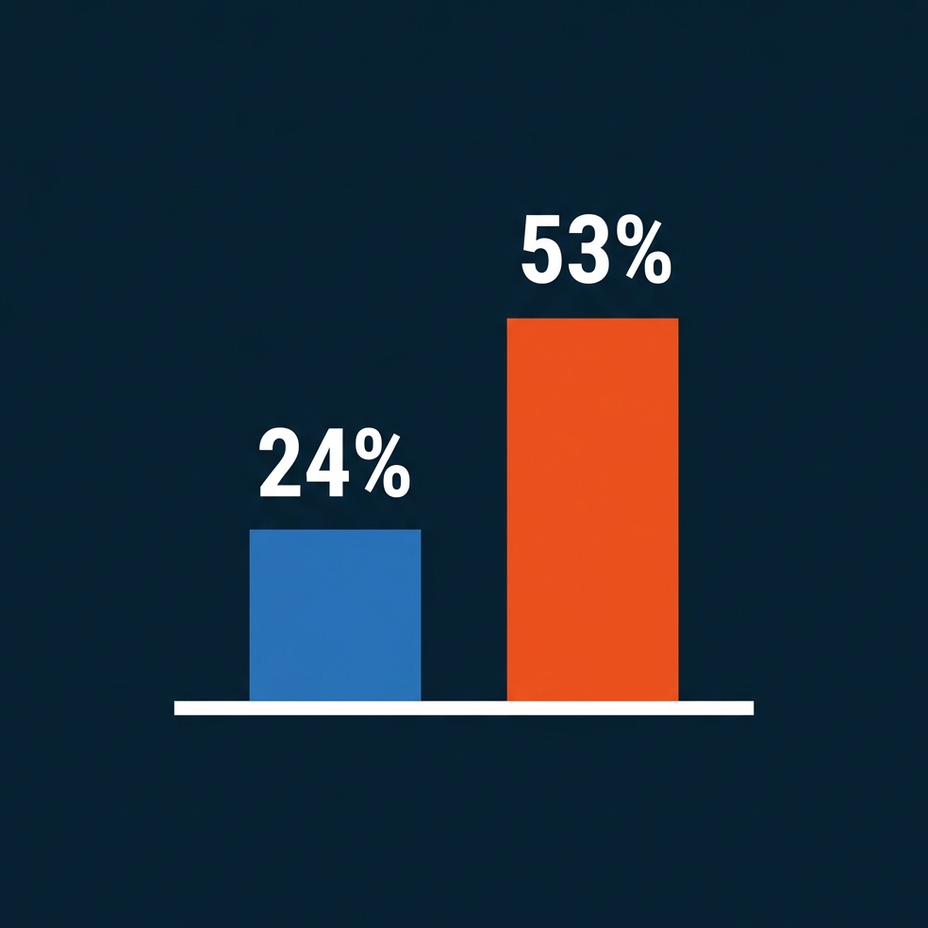
Google reports the exact wording behind only part of the money spent, and in this account that is 23% of it. Within that visible portion, the share reaching someone who wants a case the firm takes rose from 24% to 53% across September. The rest is almost entirely people searching for other law firms by name. Every case type keyword in the account now attracts only relevant searches.

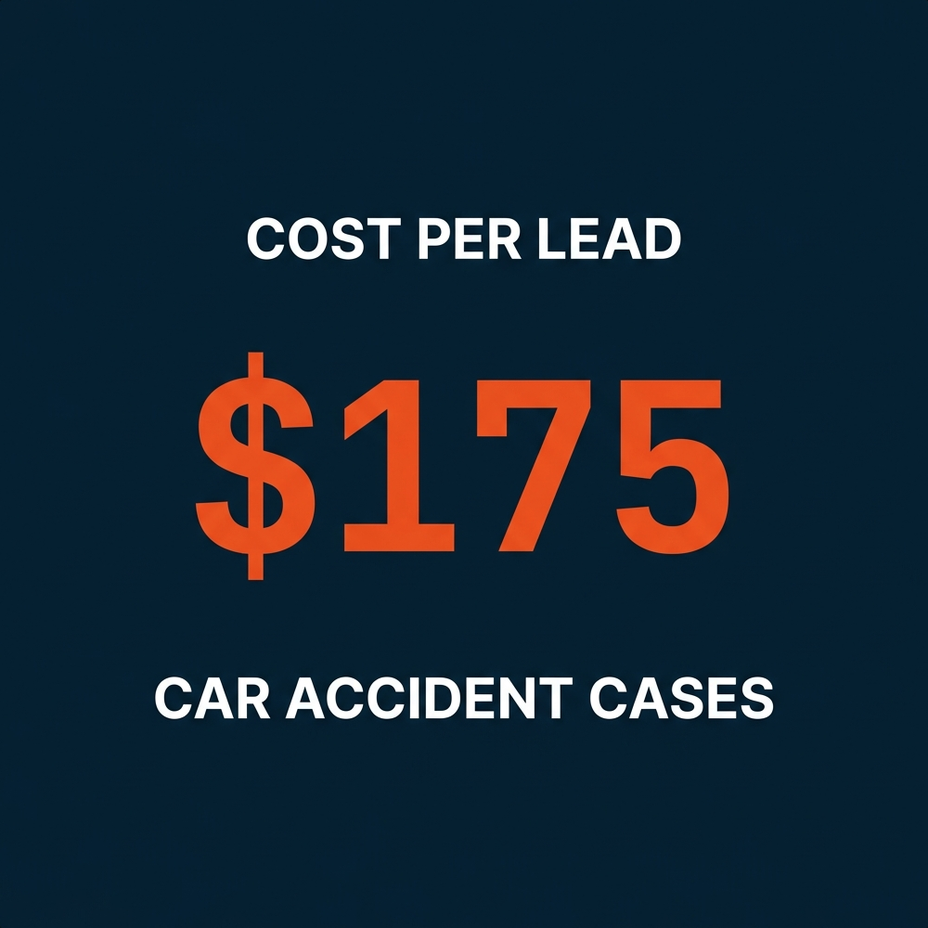
Car accident searches produced seven leads in September at $175 each, on 8% of the budget. That was the cheapest lead in the account apart from people searching the firm by name. The gap comes from budget structure, because Google sets a budget on a campaign and never on an ad group. DAP moved car, truck and motorcycle crashes into their own campaign on September 30.

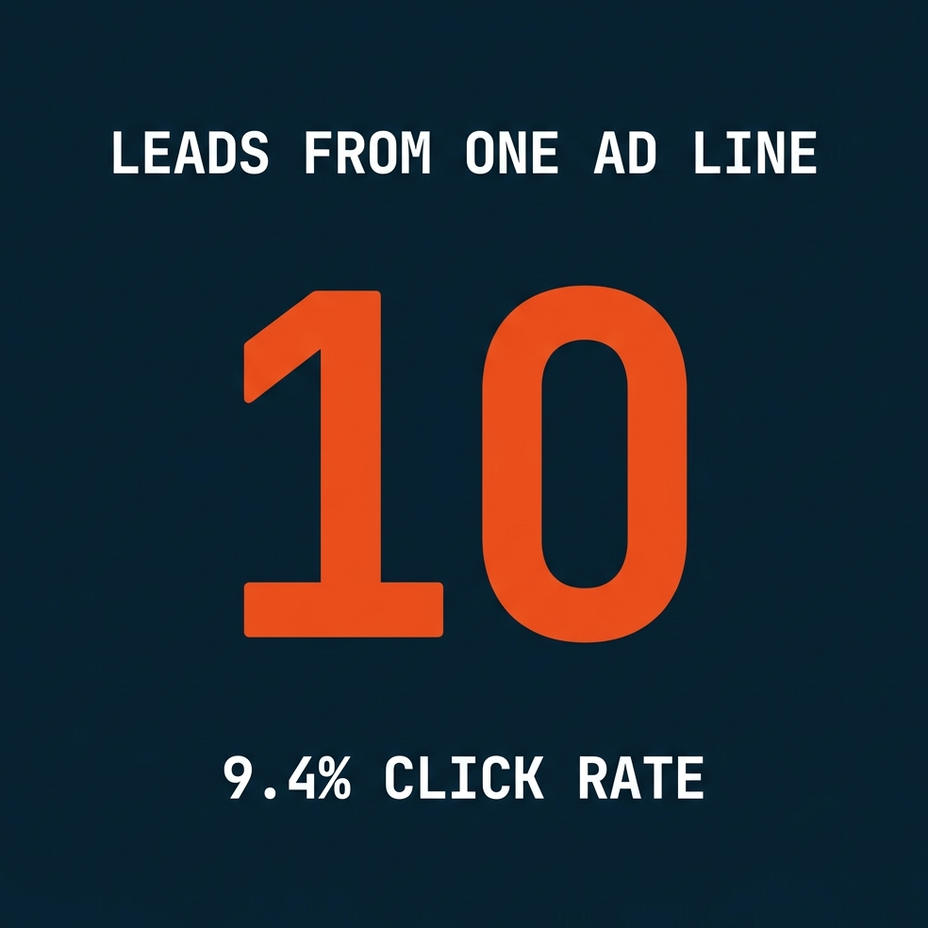
One line of ad copy outperformed everything else in the account three months running. It offers an unhappy claimant a free second opinion from a trial lawyer. That line produced ten leads from 703 views at a 9.4% click through rate, the share of viewers who clicked. Inside premises liability it delivered seven leads on $1,399 while the standard version of the same ad delivered one on $781.

DAP checked measurement end to end on September 16, and nothing was broken. Automatic tagging was on, and all fifteen ad and sitelink destinations returned a page carrying the code that ties a lead back to its ad. The tag container was live with all three conversion tags and enhanced conversions. DAP verified ten landing pages, and none has an open failure.