Karns & Karns Personal Injury and Accident Attorneys
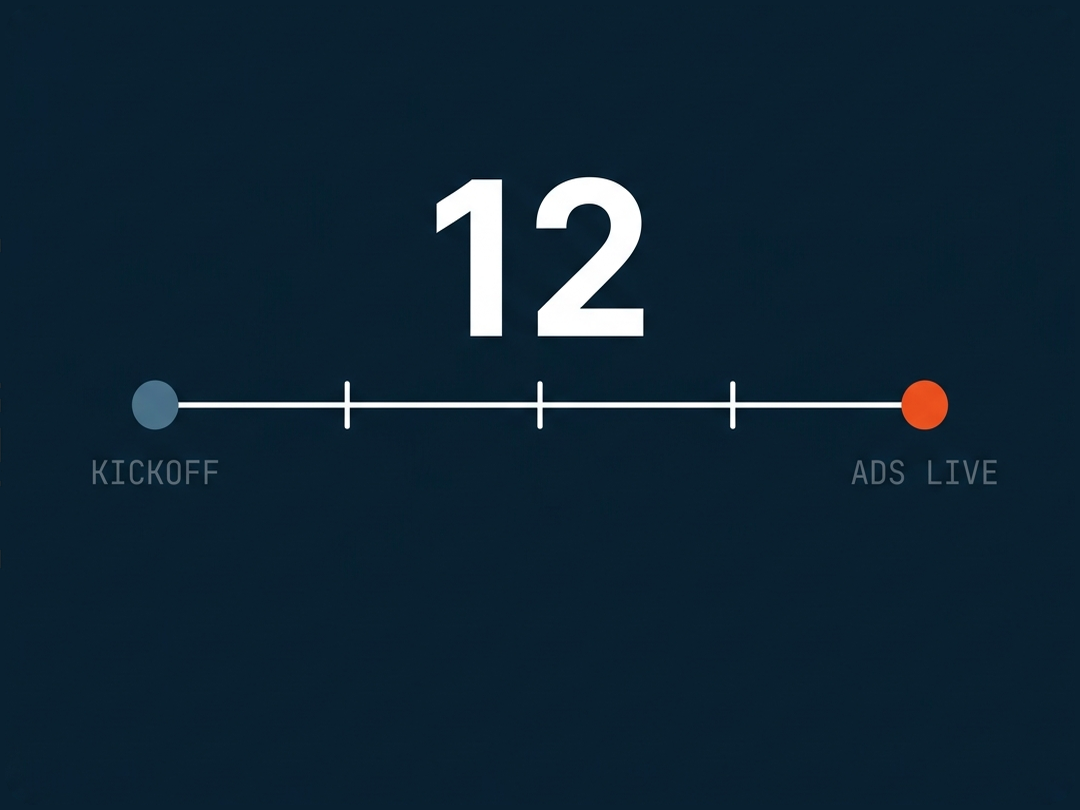
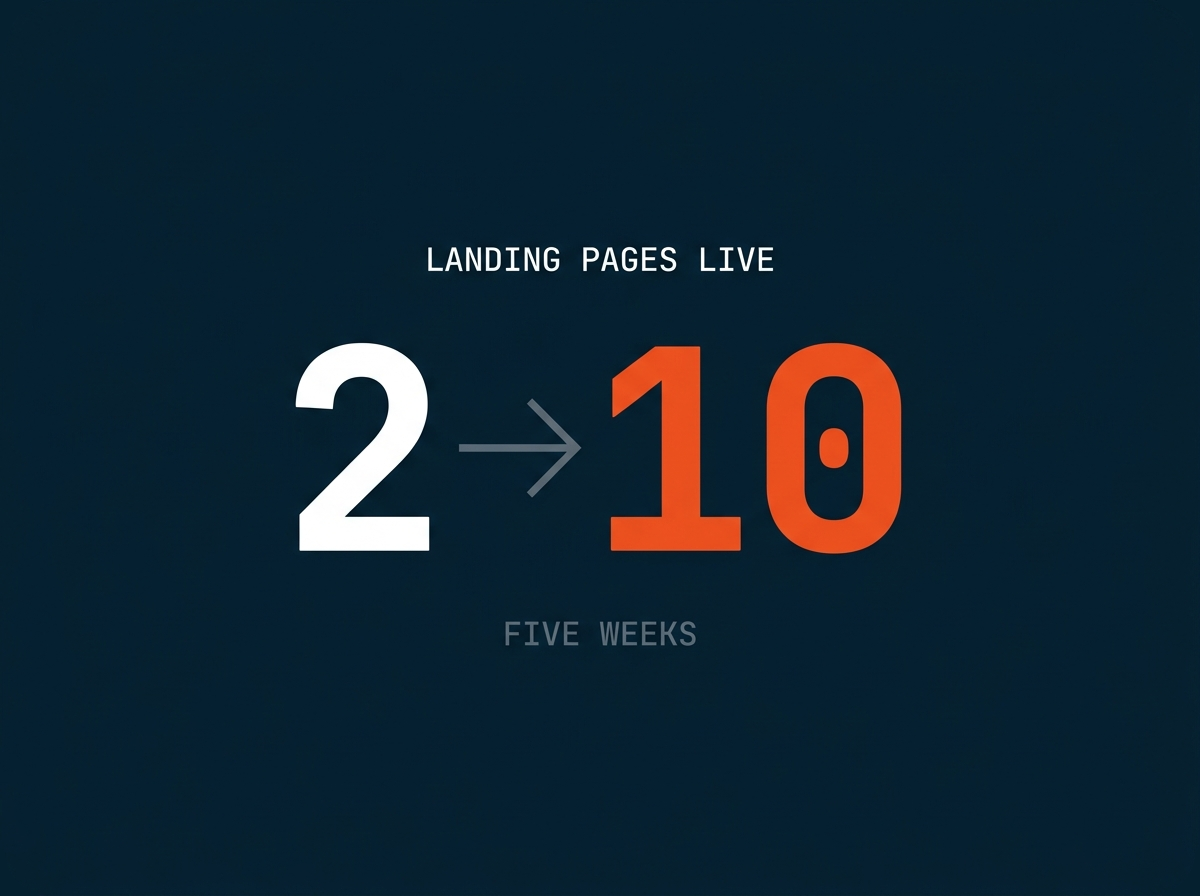
Karns & Karns is a personal injury and accident firm with offices in California and Texas. It ran paid search at scale and wanted more signed cases from it. DAP took over Google Ads on June 19, 2025 and put campaigns live on July 5. Twelve days separated the kickoff call from the first click. In that window DAP built two landing pages, wrote 60 ad headlines, installed a five-tool measurement layer, and tagged every ad URL. Over the next ten weeks the program grew to eight practice area campaigns and ten landing pages, and it classified every inquiry it produced by source, case type, and outcome.


Karns & Karns Personal Injury and Accident Attorneys represents plaintiffs in car, truck, motorcycle, and rideshare collisions, premises liability, construction site injuries, and wrongful death. The firm runs offices across California and Texas and takes cases on contingency. Its intake team works from Lead Docket, with call tracking on every advertised number.


Project Summary
Keyword prices here are among the highest in paid search, and the firm bid against national advertisers spending millions a month. It did not need education. It needed a program it could launch fast, measure precisely, and widen one practice area at a time.
DAP ran the kickoff on June 23, 2025 and put ads live on July 5. The first build was two landing pages on a dedicated subdomain, one testing forms and one testing calls. Ad copy covered brand defense and car accidents. GA4, Google Tag Manager, Microsoft Clarity, Google Ads conversion actions, and an Agency Analytics dashboard went in before the ads. All 16 ad destinations carried tags, so every click resolved to its campaign and its conversion type. The program then widened to eight campaigns and ten pages, with a tracking health check every week for 14 weeks.
The Challenge
 A Twelve Day Runway
Campaigns Had to Launch on July 5
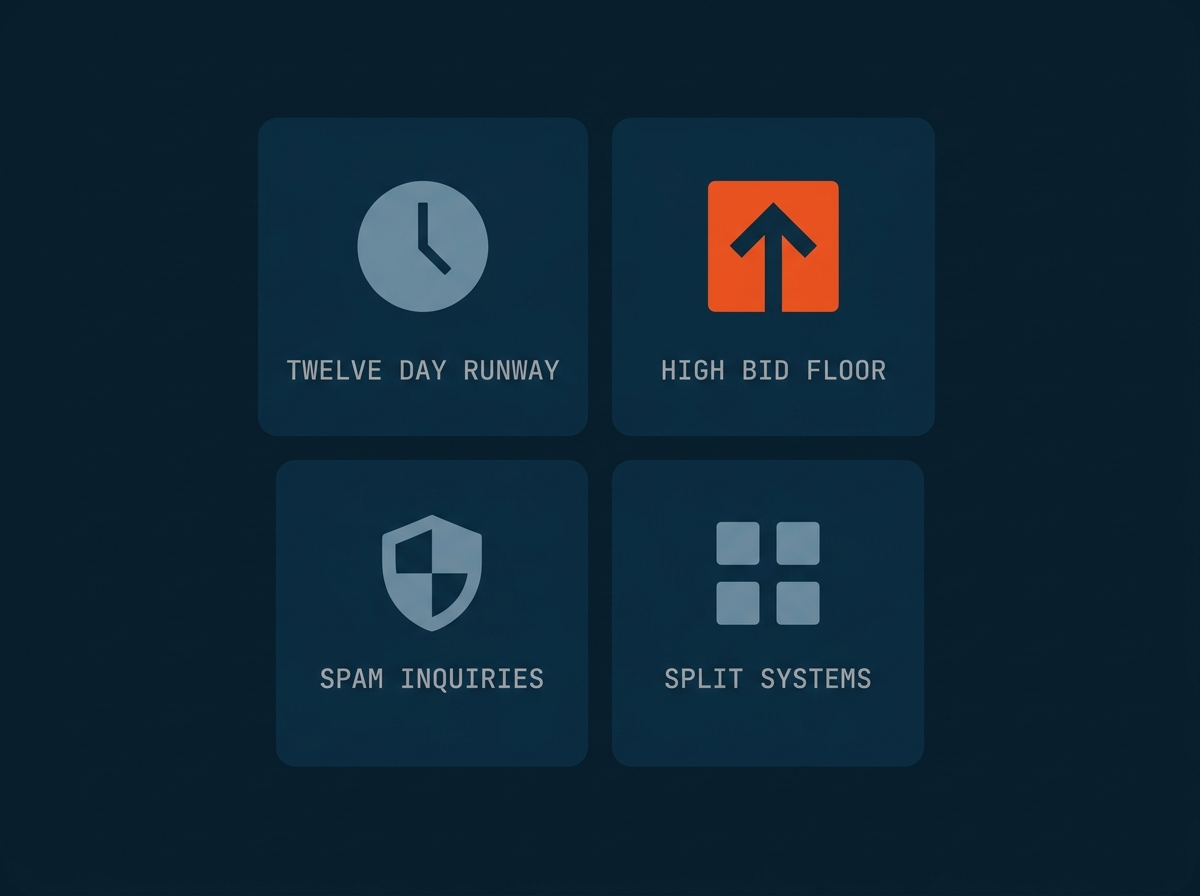
The kickoff call ran on June 23. The client set July 5 as the launch date and held it. A paid search program needs strategy, keyword structure, ad copy, landing pages, a subdomain to host them, conversion actions, and a tagging scheme. All of it had to exist in twelve days. The SOW also blocked ads from running until the landing pages were built and approved, so the pages sat on the critical path.
 The Most Expensive Keywords in Legal
National Advertisers Set the Bid Floor
Personal injury is one of the most contested paid categories in legal marketing. The firm named one competitor spending roughly $2.2M a month in California alone. Advertisers with national budgets set the bid floor. A regional firm cannot win on spend. It wins on which terms it buys, which geographies it buys them in, and what happens after the click.
 Adversarial Lead Supply
Spam and Out-of-Practice Inquiries Are Standard
This category has an adversarial lead environment. At kickoff the firm briefed DAP on competing firms submitting fake inquiries, Google Business Profile manipulation and suspensions, and review extortion. Paid search here delivers a high share of inquiries that are not cases: wrong practice area, no injury, expired statute of limitations, or outright spam. A program that reports raw lead counts reports a number that means nothing.
 No Single View of Lead Quality
Clicks, Calls, Forms, and Case Outcomes Lived Apart
Ad clicks sat in Google Ads. Calls sat in a call tracking platform. Form submissions sat on the landing pages. Case dispositions sat in Lead Docket, the firm’s intake system. Nothing connected them. Without that connection, nobody could say which campaign produced a signed case. The firm’s view of paid performance would never match the agency’s.
How We Helped Karns & Karns, LLP
A Paid Search Program Built in Twelve Days
The June 23 kickoff produced a scheduled build plan. The plan held, and ads served on schedule.
- Strategy, keyword research, and ad group structure finished in the first two weeks
- A dedicated subdomain provisioned to host the paid media landing pages, keeping them off the firm’s main site
- Campaigns built and loaded into DAP’s Google Ads manager account
- 60 headlines and 16 descriptions written across four ad groups, on phrase match
- Analytics configured between June 23 and June 30, ahead of the strategy presentation
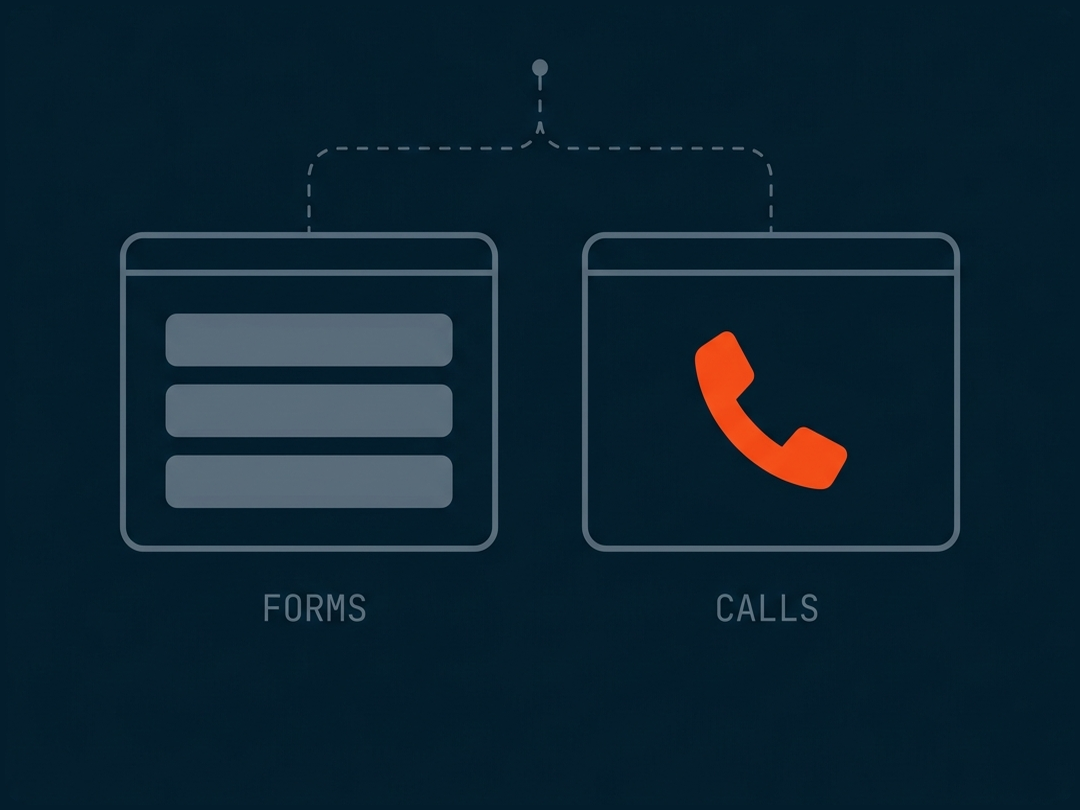
Two Landing Pages, Split to Test Forms Against Calls
The first build was a controlled test, not a single page. One page drove form submissions. Its twin drove phone calls. Same traffic, one variable.
- Two pages launched on a dedicated subdomain, one built for form capture and one built for calls
- Three rounds of design review with the client, taking the pages from concept to signed-off web and mobile designs
- Every call to action standardized to “FREE Case Review”, anchored to the form rather than the phone module
- Imagery localized to Los Angeles at the client’s direction
- Phone validation added to the forms, and submission logic reviewed after launch
Eight Practice Area Campaigns Across California
The account split by case type instead of running one broad personal injury campaign. That gave each practice area its own budget, bids, and negative keyword control.
- Brand defense on the firm’s own name, protecting it from competitor bidding
- Seven case-type campaigns: car accident, truck, motorcycle, bus, rideshare, slip and fall, and construction site
- Phrase match throughout, so query control stayed with the account rather than the algorithm
- Dog bite removed from the advertised practice area list at the client’s instruction
- A dedicated page and campaign built for a separate high-value practice area on its own budget
A Landing Page Estate That Grew to Match the Campaigns
Eight campaigns cannot share one pair of pages. The page set grew with the account, so each campaign pointed to a page written for its own searcher.
- Seven more landing pages built and configured in the last days of July
- Car accident location pages briefed and built to match the geographies the campaigns bought
- A dedicated landing page designed, built, and tracked for the separate high-value practice area
- Landing pages rewritten against a personal injury content outline
- Pages pulled from campaigns when the data showed they were not earning their traffic

A Measurement Layer Installed Before the First Click
DAP installed the tracking before the ads went live. That sequence is why the lead quality breakdown below exists.
- GA4 property, Google Tag Manager, and Microsoft Clarity installed and validated
- Google Ads conversion actions created for form submissions and for tracked calls
- An Agency Analytics dashboard built for client-facing reporting
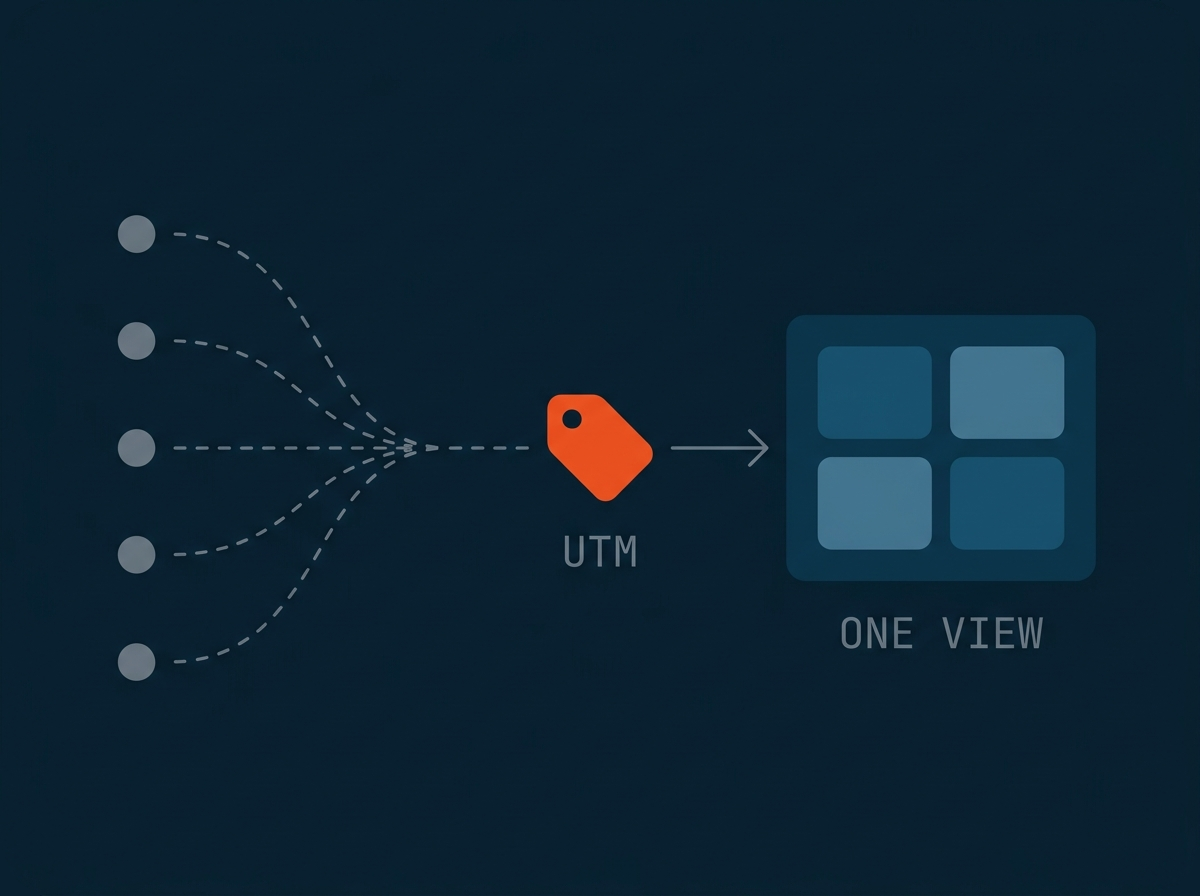
- A 16-URL UTM scheme: eight campaigns times two destinations, with utm_content carrying whether the click went to forms or to calls
- Call tracking numbers assigned per campaign, so a phone call resolved back to the ad that produced it
What We Achieved

The kickoff ran on June 23, 2025. Ads served on July 5. DAP built two landing pages, four ad groups, a five-tool measurement stack, and a full tagging scheme inside those twelve days, against a launch date the client set and did not move.


Between August 1 and August 25, 2025, the California program produced 270 inquiries. Every one carried its campaign. Web forms and tracked calls both resolved to source. The program produced about 11 inquiries a day in a category where a single click can cost more than a hundred dollars.
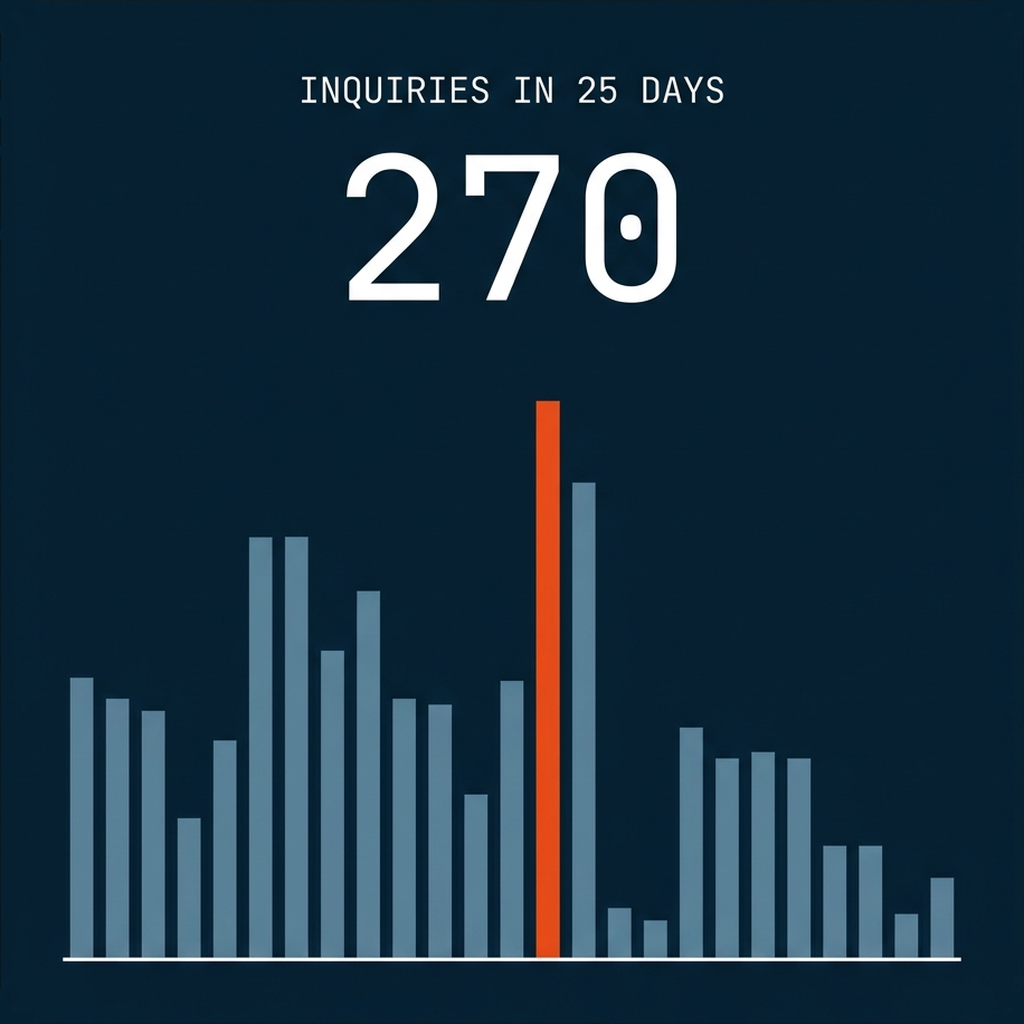

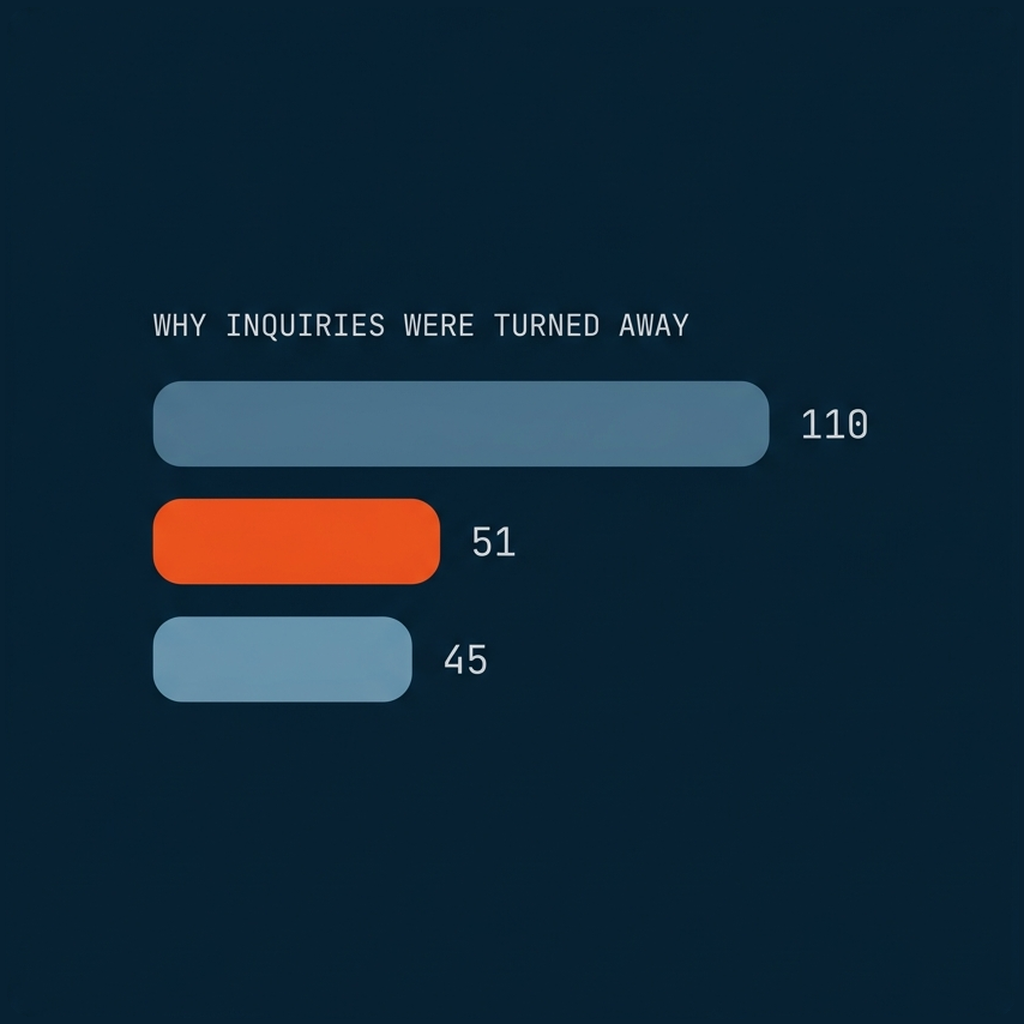
All 270 inquiries carried a case type and a disposition from the firm’s intake system. The breakdown was legible for the first time: 110 outside the firm’s practice areas, 51 spam, 45 that never responded, and a qualified remainder that reached intake review. The reporting moved the discussion from lead volume to lead quality.

A tracking health check ran every week for 14 weeks, alongside daily conversion checks, weekly spend entry, and a weekly KPI update. When form submissions or page loads broke, the check found the fault before the client did.