Mimic
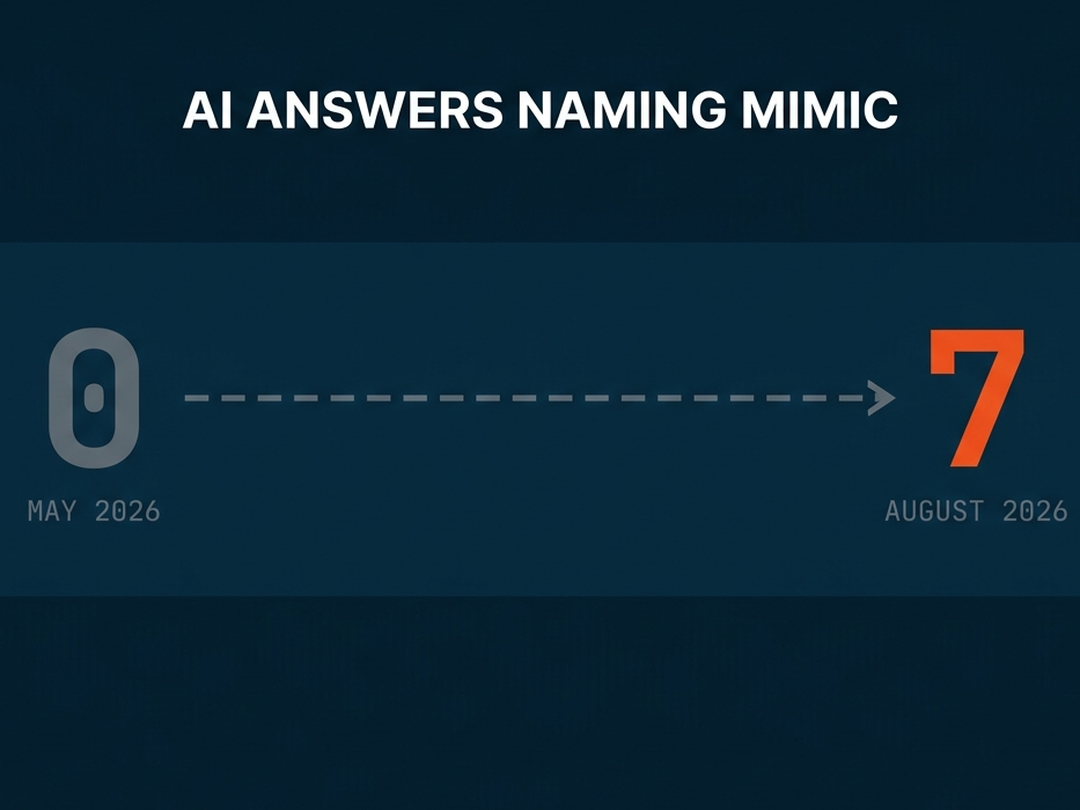
Mimic built a security category and gave it a vocabulary. Known-good enforcement, controlled execution layer, RPO-Zero recovery. In May 2026 a five-platform audit found that AI search gave none of it back. Across 35 AI answers covering the seven questions enterprise security buyers ask, Mimic was named zero times, and eight competitors took credit for Mimic’s own terms. Four months later Mimic holds the top spot for known-good enforcement and appears in seven Google AI Overviews.

Mimic is an enterprise ransomware defense platform. It enforces a known-good state at the kernel so unauthorized change never executes, which stops ransomware before encryption can stage or spread. Backed by Google Ventures and Menlo Ventures, with Kevin Mandia and Ted Schlein on its board, Mimic sells to CISOs and security leaders at Global 2000 enterprises.


Project Summary
Mimic partnered with Digital Authority Partners to win the AI search answers for a category Mimic had just built. A May 2026 baseline showed the size of the gap. Across 35 AI answers on five platforms, Mimic was named zero times, and eight competitors took credit for terms Mimic coined.
Digital Authority Partners specified the technical and structured-data foundation the new site needed, authored canonical definition pages for Mimic’s vocabulary, and built comparison pages against the vendors AI engines kept confusing Mimic with. Four months in, Mimic holds the top position for known-good enforcement, appears in seven Google AI Overviews, and measures demo demand for the first time.
The Challenge
 AI Search Visibility
 0 of 35 AI Answers Named Mimic
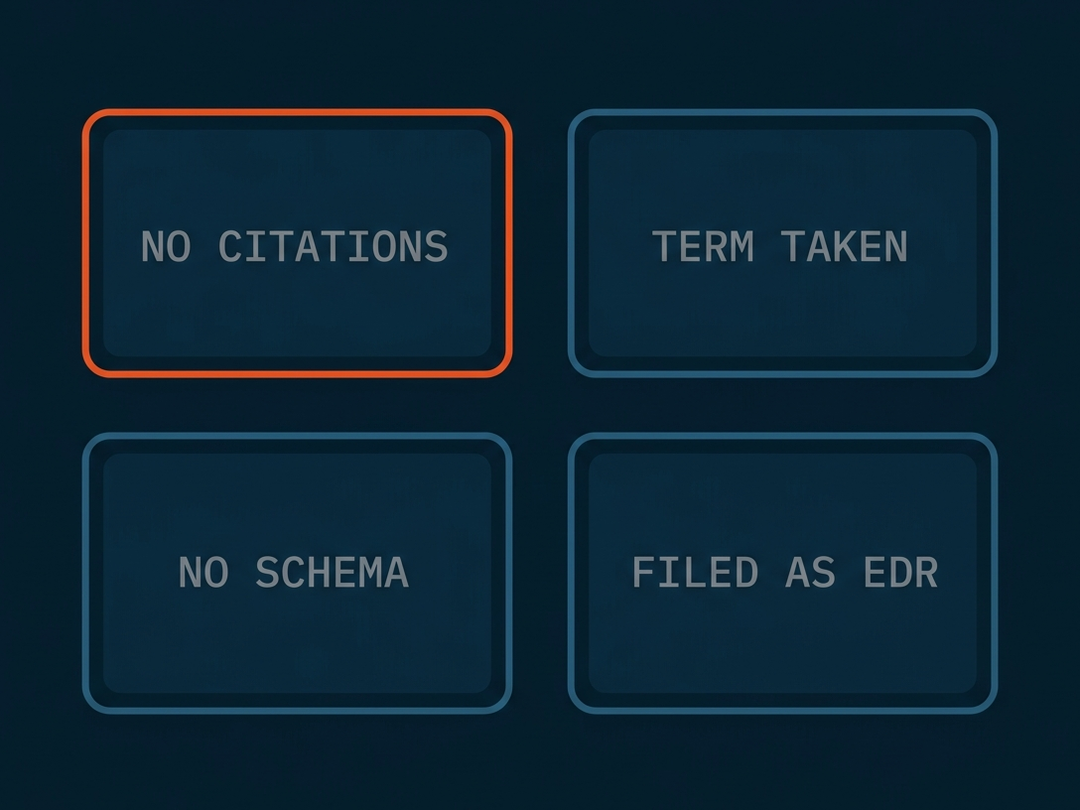
A May 2026 baseline audit ran the seven questions enterprise security buyers ask across ChatGPT, Claude, Perplexity, Google AI Mode, and Microsoft Copilot. Mimic appeared in none of the 35 answers captured. All five platforms scored zero out of 100.
 Category Vocabulary
 8 Competitors Credited With Mimic's Term
AI engines attributed known-good enforcement, a phrase Mimic coined, to Xcitium, ThreatLocker, Airlock Digital, Carbon Black, Microsoft, CrowdStrike, and two others. On Perplexity the phrase resolved to law enforcement rather than cybersecurity.
 Crawlable Structure
 Zero Schema Types, Zero H1 Tags
The six-page brand site carried no structured data anywhere, and its headings were styled div elements that crawlers read as plain text. There was no llms.txt file, no AI-crawler rules in robots.txt, and no definition page for any of the eight proprietary terms on the homepage.
 Product Categorization
 10 of 35 Answers Filed Mimic Under EDR
Backup and recovery vendors answered the questions Mimic should own, with Rubrik appearing in six captures, Cohesity in five, and Veeam in five. Halcyon held the ransomware defense platform label that Mimic claims as its own category.
How We Helped Mimic
Canonical Pages for a Coined Vocabulary
Digital Authority Partners built the definition layer the category was missing, so every Mimic term had one authoritative page an AI engine could cite.
- Authored guide pages for known-good enforcement, controlled execution layer, and RPO-Zero recovery
- Published an eight-term glossary at 200 to 400 words per entry with DefinedTerm schema
- Produced five high-intent FAQ pages titled in the phrasing buyers type into AI engines
- Opened every definition page by attributing the term to Mimic
- Cross-linked each glossary entry to its deeper guide page
A Technical Foundation AI Crawlers Could Read
We handed the development team a specification that turned a six-page brand site into a structure search engines and AI crawlers could index.
- Specified a 10-type schema stack covering Organization, Product, FAQPage, DefinedTerm, and NewsArticle
- Restored one semantic H1 per page with a correct H2 and H3 hierarchy
- Deployed llms.txt at the root and added allow rules for seven AI crawlers in robots.txt
- Set self-referencing canonicals, Open Graph tags, and title and description standards site-wide
- Cleared audit findings covering mobile page speed, server response time, and 32 images missing dimensions
Comparison Pages Built Against the Conflation
Every recurring misclassification got its own page, so answer engines had a factual comparison to read instead of a guess to make.
- Built comparison pages for Mimic against EDR, Halcyon, ThreatLocker, and Rubrik
- Added What Mimic Is Not callouts placing the product beneath EDR and backup tooling
- Documented the kernel-level distinction against application allowlisting vendors
- Framed each page as a feature comparison rather than a sales argument
- Structured every page with Article, FAQPage, and BreadcrumbList schema
Measurement Built From Nothing
Mimic had no conversion tracking and no way to watch AI visibility move. We built both in the first two months.
- Configured Google Analytics 4, Google Tag Manager, and Search Console from scratch
- Instrumented demo request and form events as tracked conversions
- Re-ran the seven-prompt, five-platform AI visibility test every month
- Reported keyword position and AI Overview presence every week
- Tracked which competitor answered each buyer question over time
What We Achieved

Mimic moved from no presence in Google’s AI-generated answers to seven placements, covering the brand term, the full known-good enforcement cluster, the ransomware defense platform query, and three competitive comparison pages. The count rose from four to seven in a single week as more of the content library earned trust as a source.
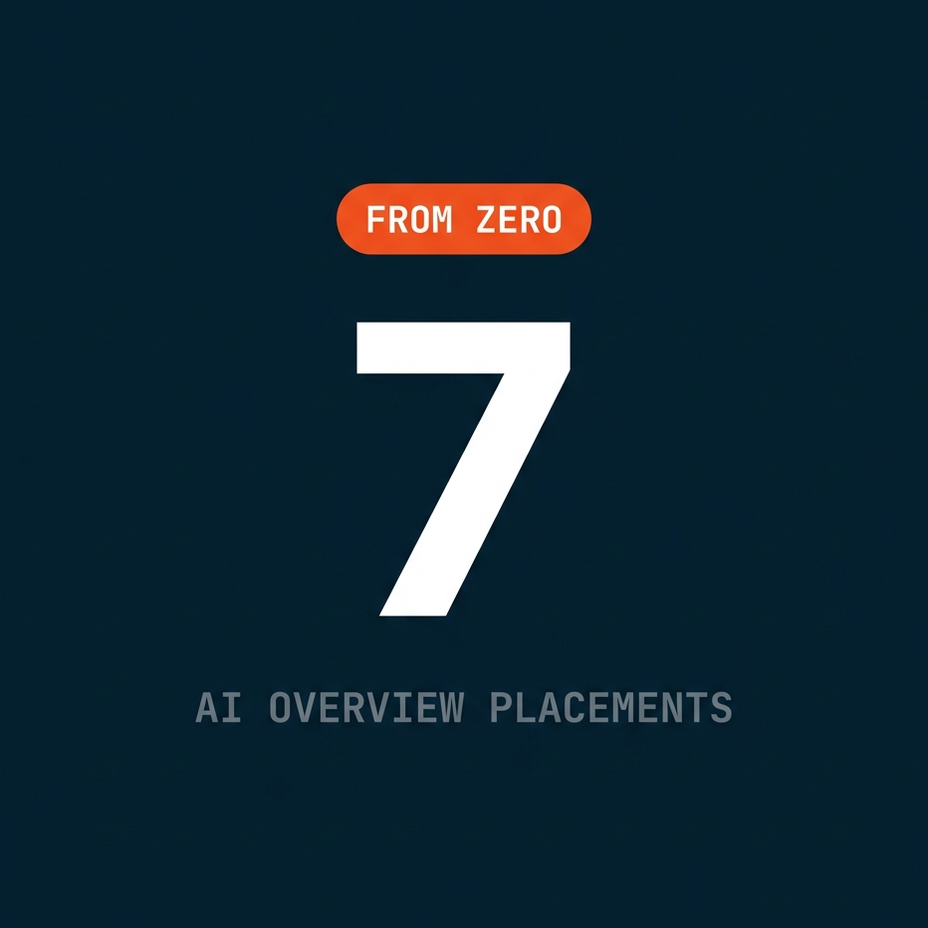

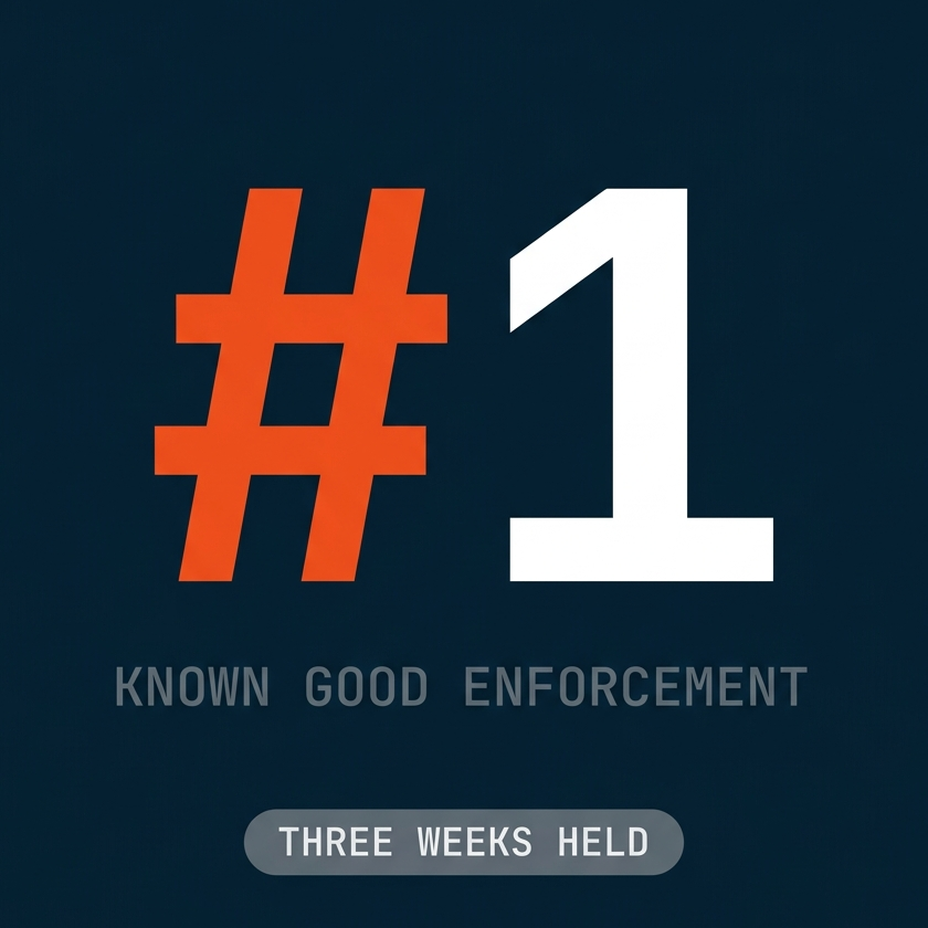
Known-good enforcement and its glossary page both hold the top position on desktop and mobile, and they have held it three weeks running. Neither term ranked at all before August 10. Ransomware defense platform now sits at position two.

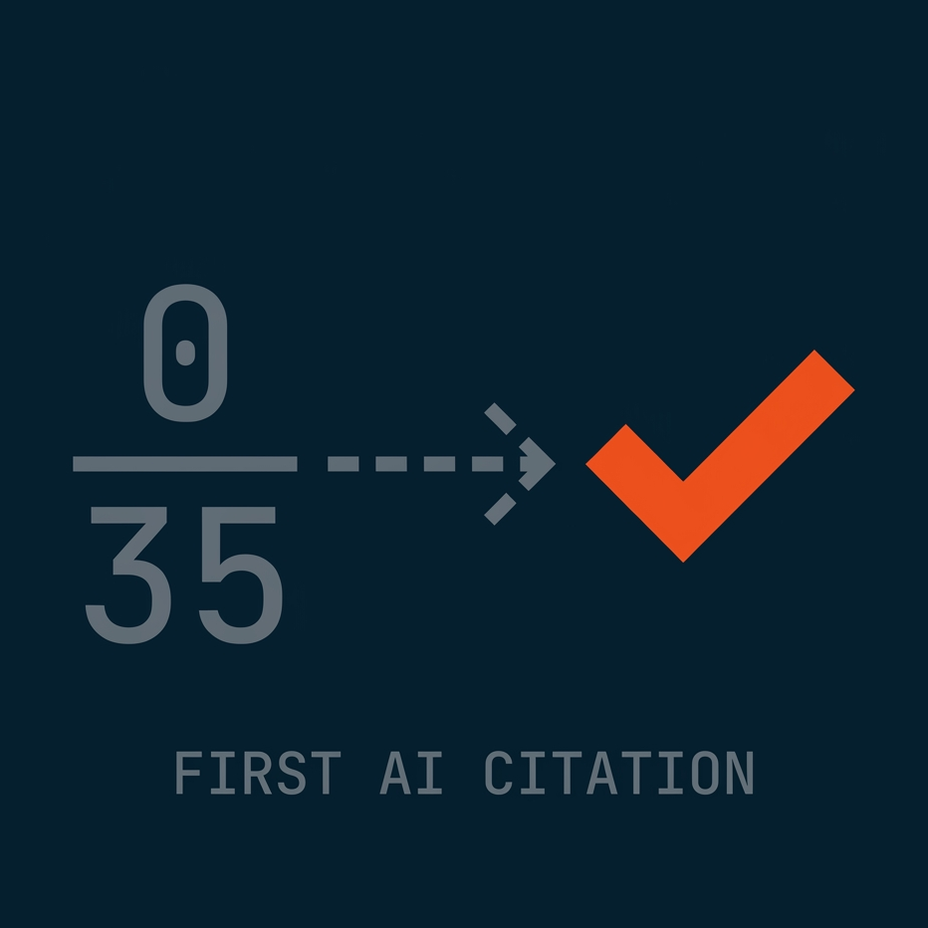
Google AI Mode now names the product in its own words, describing how Mimic AI Shield creates a known-good blueprint for AI tools and forces agents to declare what data they need before they act. The same prompt set returned Mimic zero times in May.

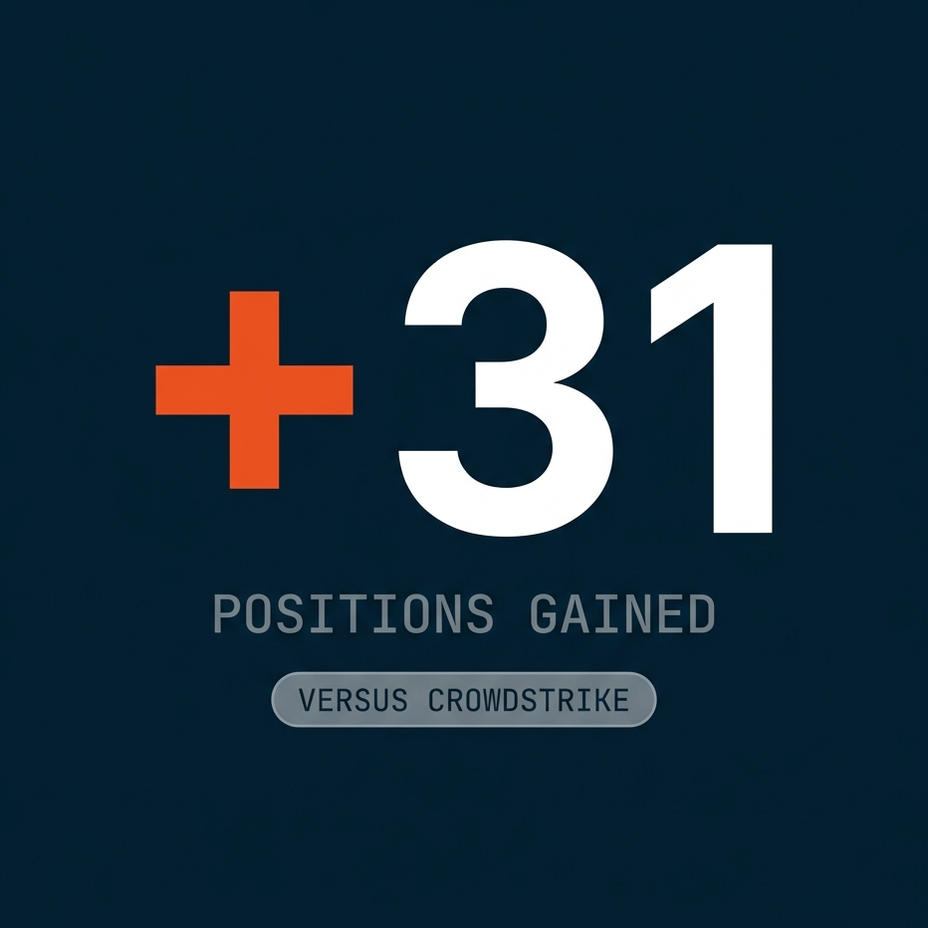
The Mimic versus CrowdStrike comparison page climbed from position 49 to 18 on mobile and from 32 to 19 on desktop. Mimic versus ThreatLocker moved from 19 to nine and onto page one, which puts Mimic in the answer when buyers compare it against the incumbent.

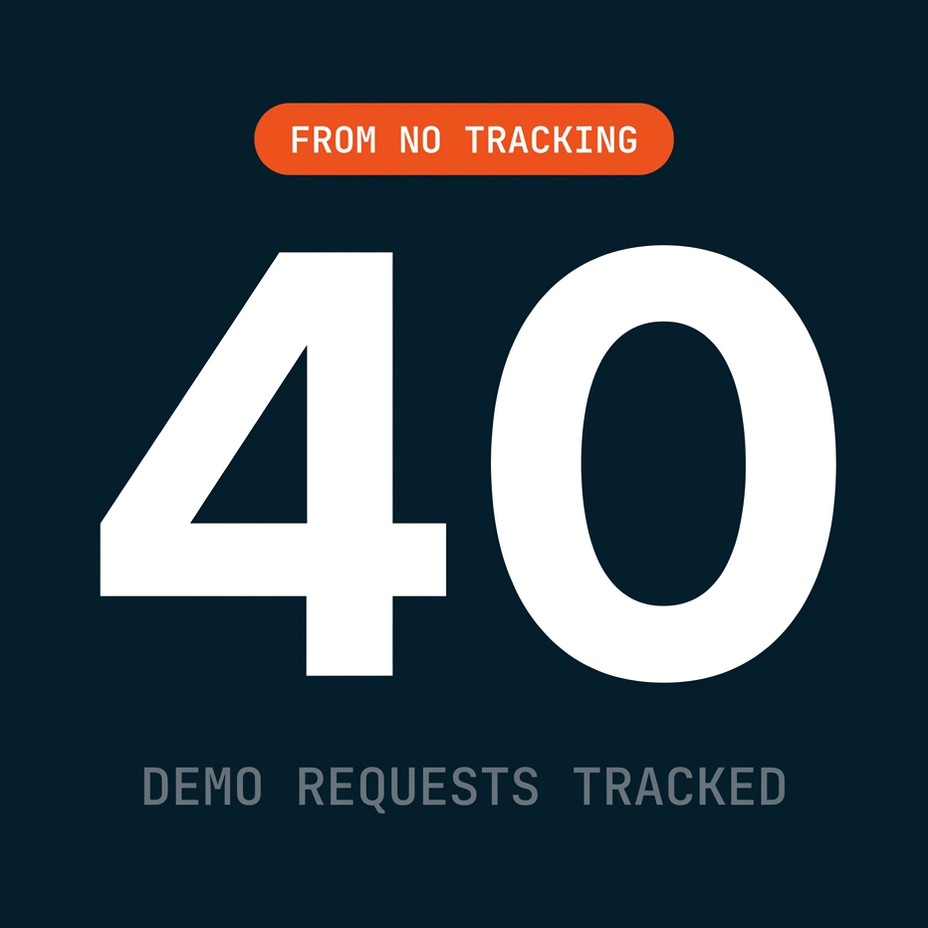
Before the engagement Mimic had no conversion tracking configured, so demo demand never registered in analytics. With events in place, 227 sessions opened the demo request form and 40 completed it, a 17.6 percent completion rate the team can now improve against.