Blue Chip Partners
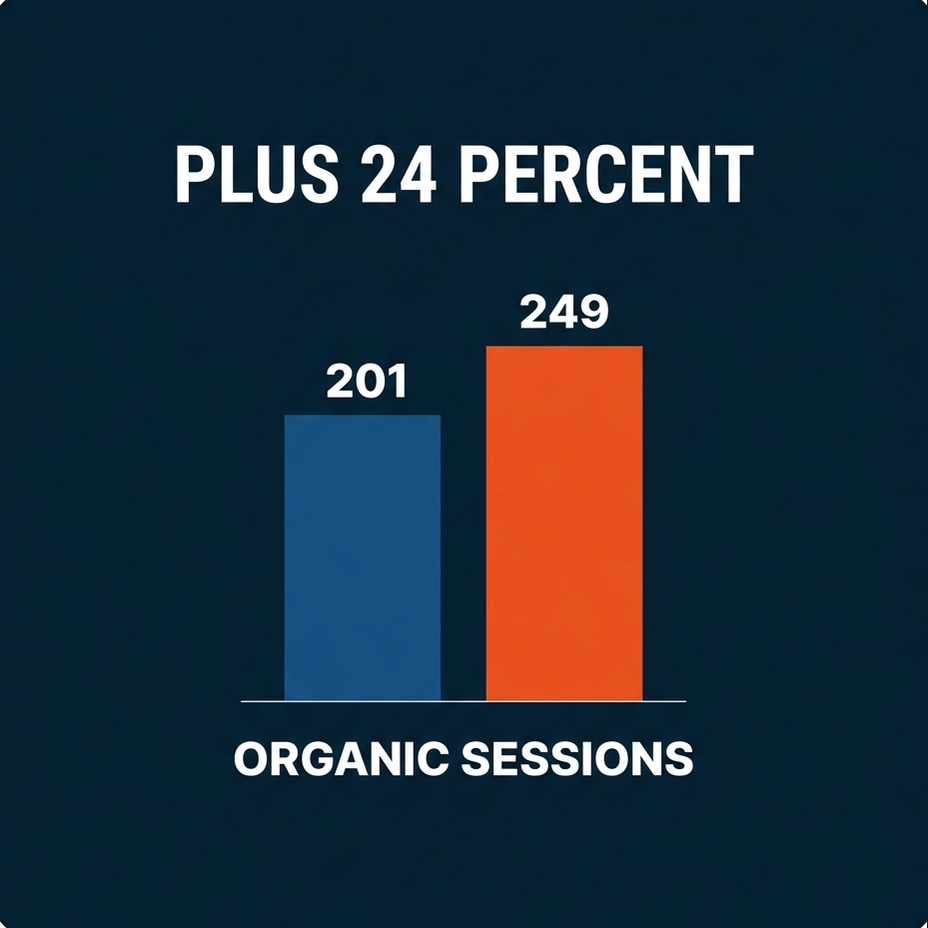
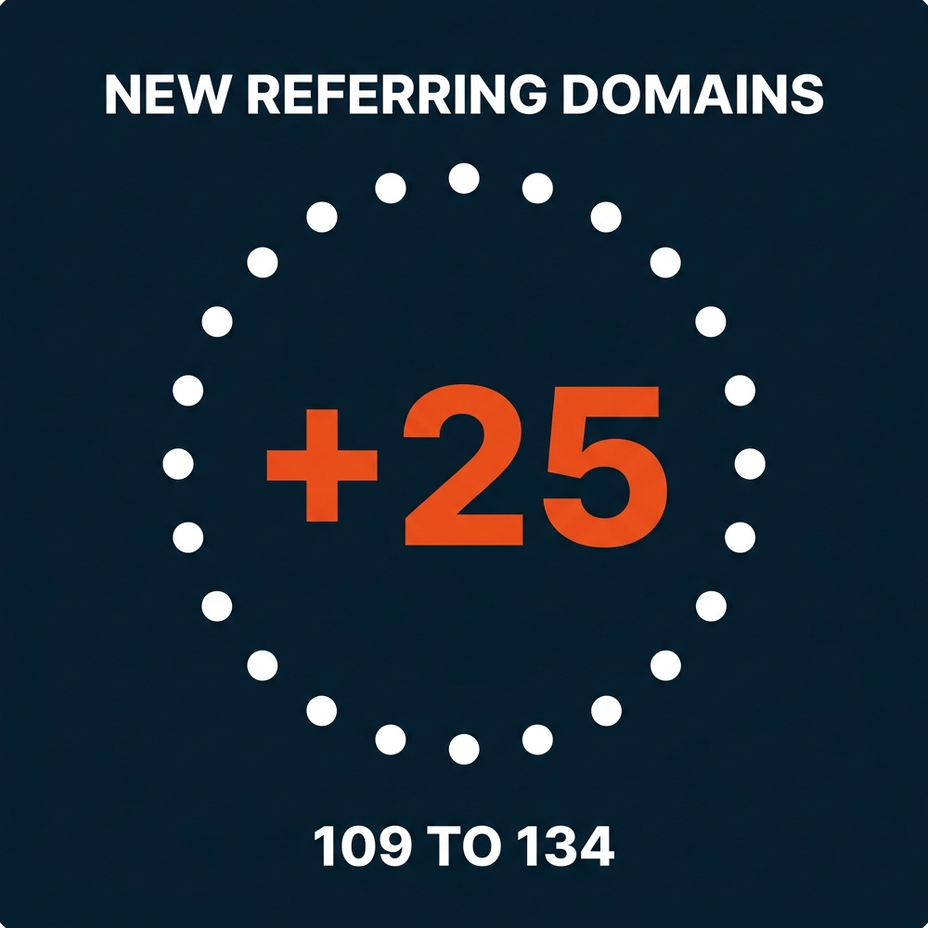
Blue Chip Partners is a wealth management firm in Farmington Hills, Michigan, serving households of high net worth across metro Detroit. Digital Authority Partners ran its search, content, analytics and paid media program from December 2024 to April 2025. The firm ranked first for its own name and almost nothing else, with no pages for the six suburbs it wanted clients from. Rather than chase every service term, DAP picked one keyword cluster, built seven pages around it, and tagged the new site before any ad money moved. Organic traffic reached 249 sessions in March 2025, 24% above the twelve month average before the engagement, and referring domains rose from 109 to 134.

Blue Chip Partners is a registered investment advisor based in Farmington Hills, Michigan. The firm bundles financial planning, investment management, tax planning and estate planning into a single relationship, and works with households holding portfolios of at least $500,000. Its client base sits across metro Detroit, concentrated in the affluent suburbs of Oakland and Wayne counties. The firm also publishes a long-running podcast and video library aimed at investors approaching and entering retirement.


Project Summary
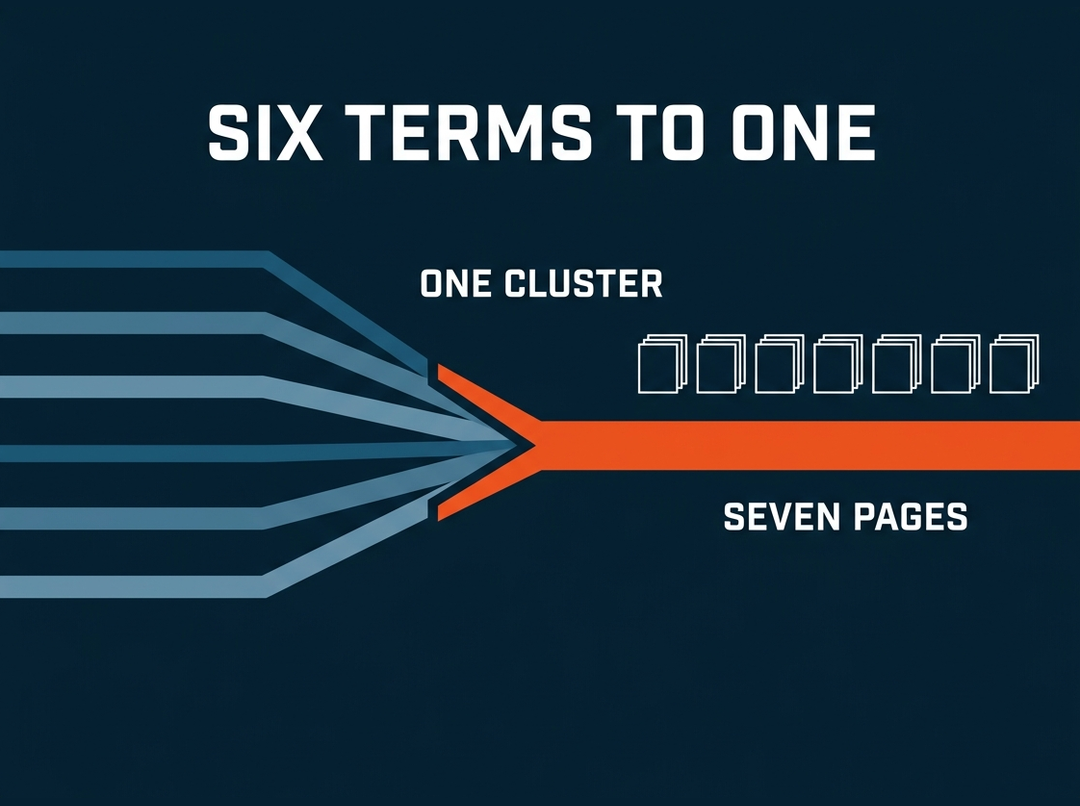
Blue Chip Partners wanted to double its client base in three years. Four new households arrived each month, one and a half of them through digital, and tripling that share meant a lead volume the site had never produced. DAP narrowed the target instead of widening it. Research covered six service terms and the client picked wealth management to build a cluster around. Six city pages and a hub page followed, researched city by city. The analytics team tagged the new site before launch, and the Google Search ads stayed paused until that tagging went live. A lead with no recorded source cannot be acted on. Organic sessions reached an eighteen month high in March 2025 and referring domains rose by 25.
The Challenge
 Traffic That Rested on the Brand Name
Ranked First for Itself, Invisible for the Service
Blue Chip Partners held position one for its own name and very little else. In December 2024 the site ranked in the top ten for eighteen terms. The firm’s name and its advisors’ names carried more than 95 percent of the organic sessions those rankings earned. One service term appeared in that list, financial advisory firms michigan, at position eight. Branded search reaches people who already know the firm. It does nothing for a household in Novi looking for a wealth manager for the first time, which is the household the growth target depended on.
 No Pages for the Suburbs That Mattered
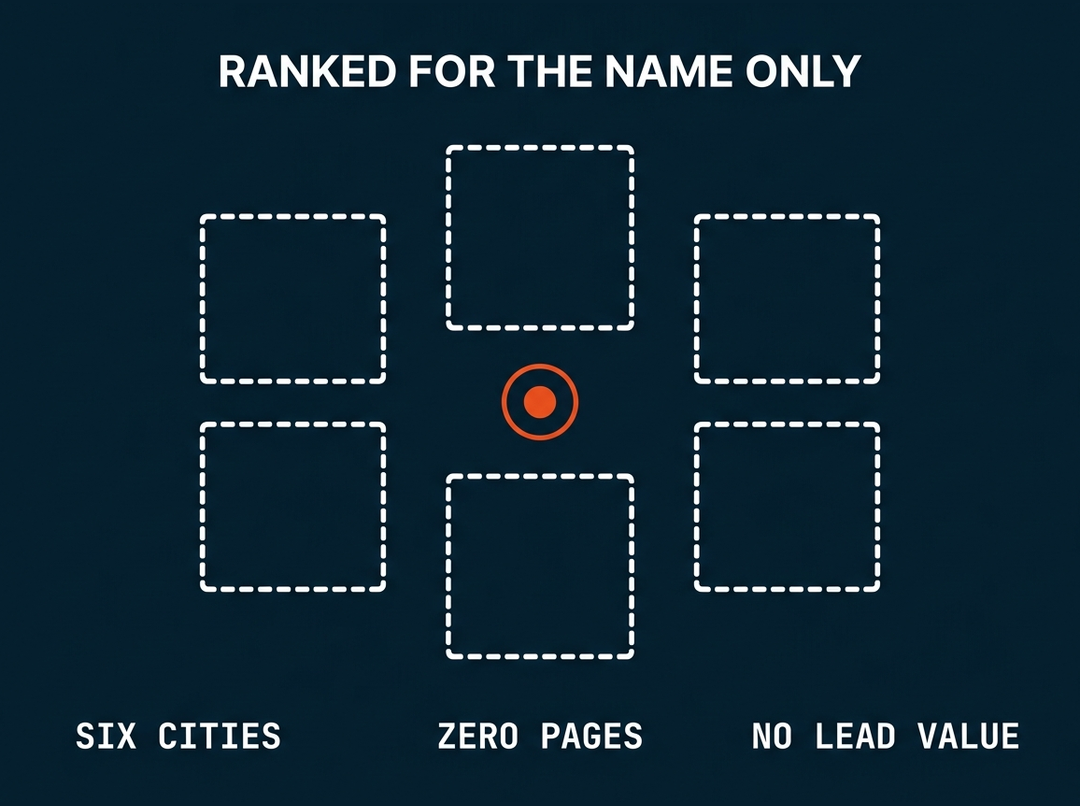
Six Target Cities, Zero Pages
The firm wanted clients from Farmington Hills, Novi, Northville, Plymouth, Birmingham and West Bloomfield, six suburbs with similar demographics and high affluence. It had no page for any of them. Search volume in those cities ran between 10 and 40 a month for each service term, against 170 to 260 at county level. The pages therefore had to be written for a small and specific audience rather than for volume. National advisory firms were already ranking locally on the same terms.
 A Lead With No Price
A 5% Conversion Rate and 300 to 400 Leads to Find
Google Tag Manager was installed at a basic level and kept breaking. Conversion buttons carried tags but no values, so nobody could say what a form fill was worth. A conversion rate of 5% from lead to client meant somewhere between 300 and 400 leads to reach the growth target. That number set the scale of the gap. Without lead values in the record, every reporting conversation measured volume instead of return.
 A Relaunch Running Underneath the Work
Eight Crawls, One Malware Investigation, One Rollback
The rebuild ran through the same months as the marketing program, and it moved the ground under every other workstream. Pages moved, a malware issue surfaced, and the site went down more than once. A finished location page was lost to a rollback and had to be rebuilt. Two deliverables, the KPI framework and monthly reporting, were held back through December and January because there was no stable site to measure. Content, tracking and technical fixes all had to be staged against a launch date the agency did not control.
How We Helped Blue Chip Partners, LLC
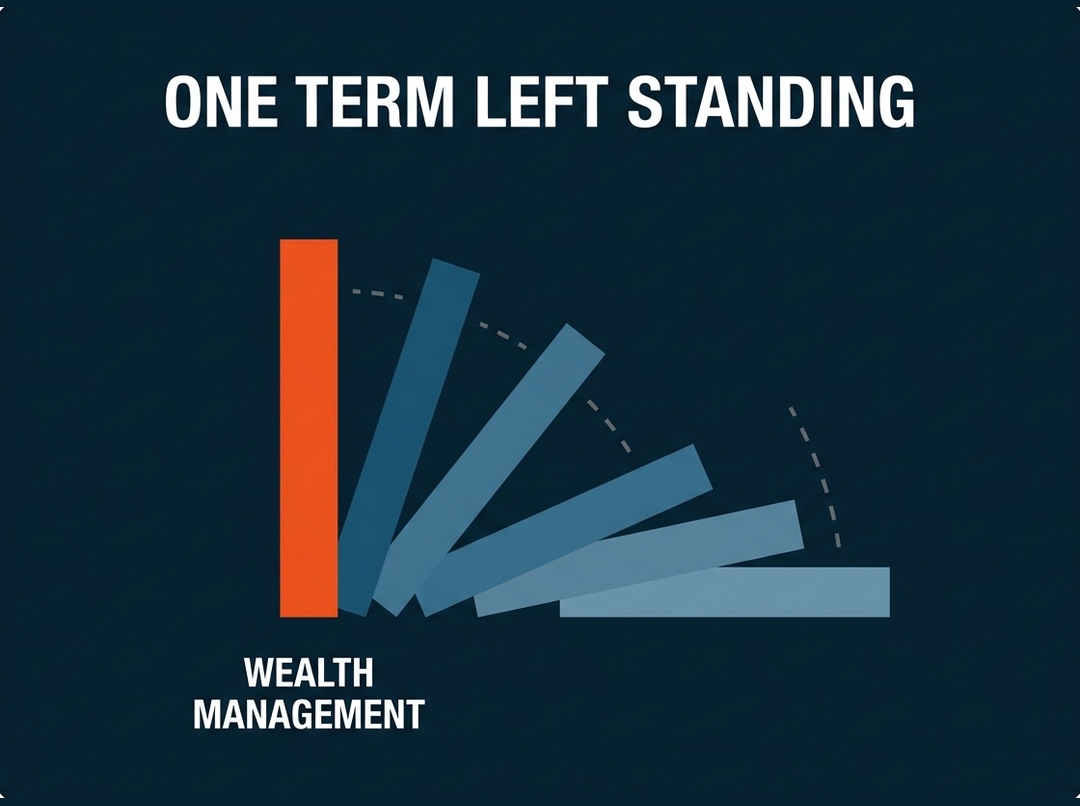
One Keyword Cluster Instead of a Service List
An advisory firm that targets every service it sells ranks for none of them. DAP ran the research, put the options in front of the client, and asked the client to choose one.
- Keyword research across financial advisor, financial planner, retirement planning, asset management, wealth management and tax planning, sized by volume and difficulty for each target city and county
- Wealth management selected as the single cluster, on the basis that it drew more qualified traffic than the broader advisor terms
- Retirement planning deliberately left out as a secondary term, because a national competitor already held it and chasing both would have split the ranking signals and weakened each
- Tax and tax loss harvesting researched as supporting terms and folded into page FAQs rather than given pages of their own
- A three-city comparison of Plymouth, Novi and Northville delivered, so the client could see where the least work bought the most ground
Seven Pages Written City by City
The client asked for six city pages. DAP built the design template first, so the seventh page and every page after it took days instead of weeks.
- A location hub page built as the entry point for all six cities
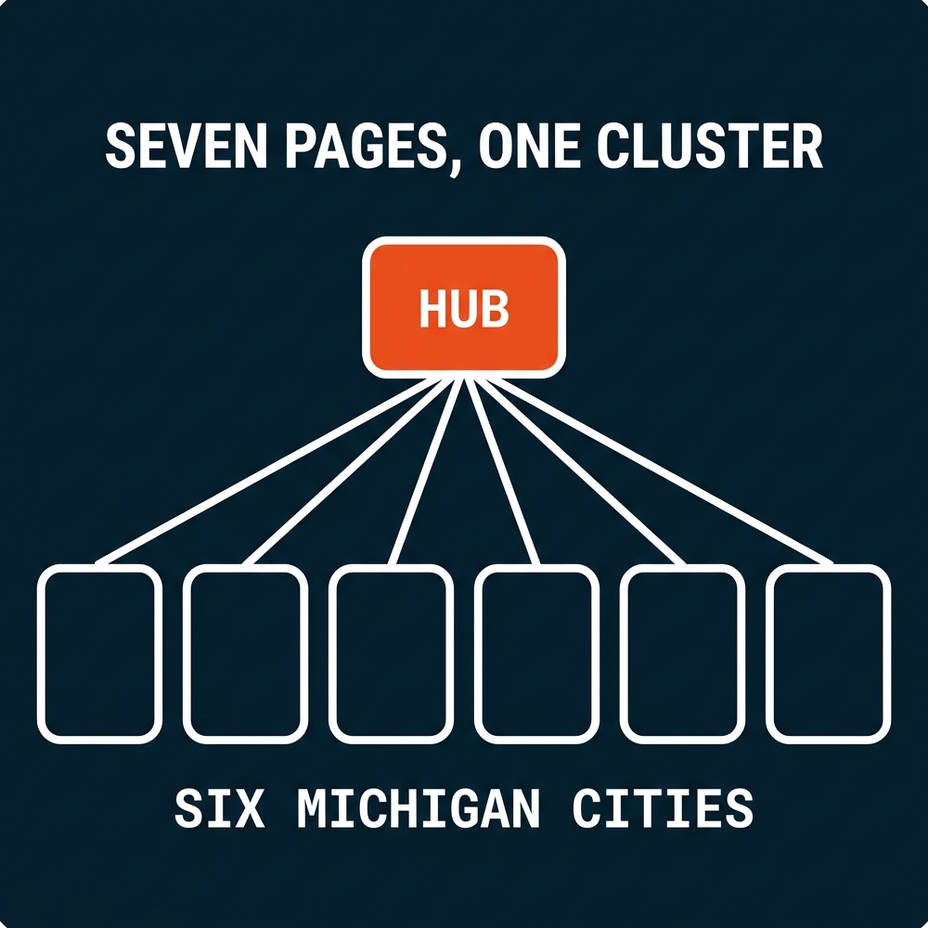
- Six city pages for Farmington Hills, Novi, Northville, Plymouth, Birmingham and West Bloomfield, over 10,000 words in total
- Copy researched city by city against local demographics, rather than templated and find-replaced
- One design template built and approved in Figma first, after which each new page took roughly 48 hours to develop
- All pages interlinked, with the supporting content roadmap pointing back at them

Three Paid Media Templates Built to Be Tested
DAP treated the paid media pages as a test rather than a single deliverable. Three variants of the same offer gave the account something to read once traffic arrived.
- Three landing page designs for paid campaigns, each aimed at households of high net worth in the same markets
- Header and footer removed, so a visitor arriving from an ad had one path forward
- Variants split by page length, by layout and color, and by message, with the offer held constant
- Paid keyword research completed ahead of the copy, so the pages matched the terms the ads were bidding on
- A Google Ads strategy outline presented to the client before any budget moved, with Local Service Ads reviewed in parallel and low-quality services removed

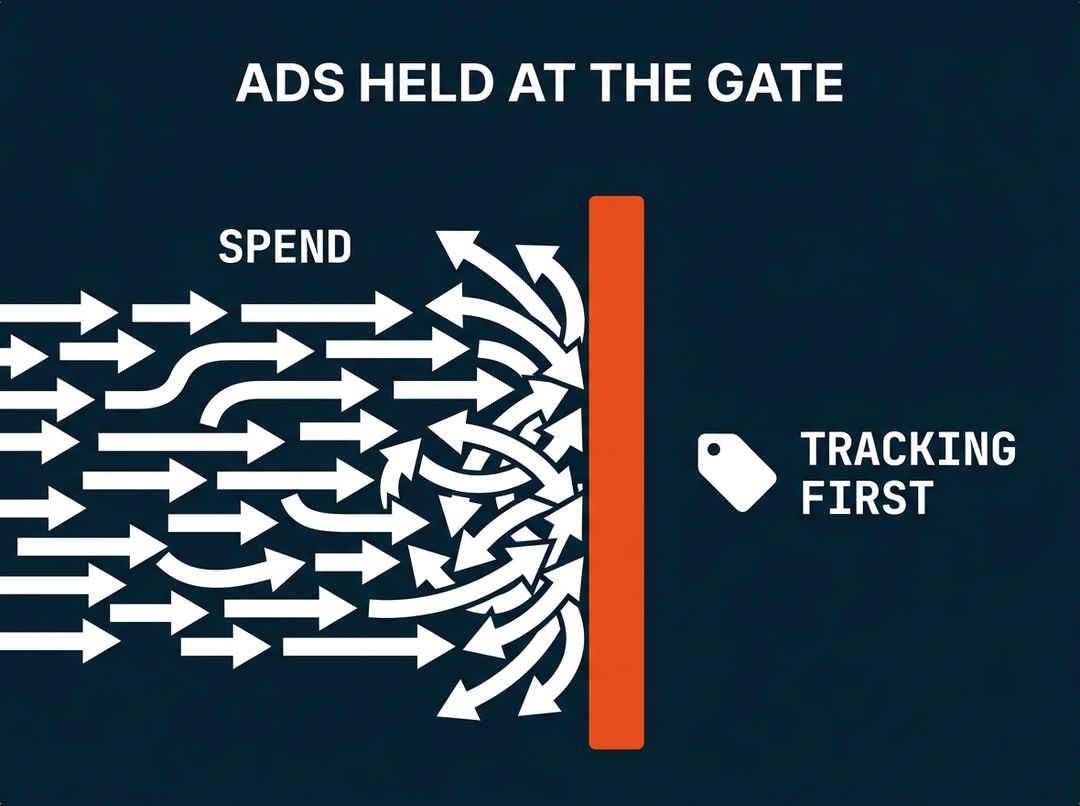
Tracking Installed Before the Budget Moved
The Google Search ads stayed paused while the tracking was built. The pause held for about a month, after which the reporting could name where each lead came from.
- A full analytics and reporting audit, presented to the client with the findings and the fixes
- Every page of the new website tagged for user behavior, with the tagging process recorded on video so the client’s team could repeat it on a second site
- A thank-you page created behind the contact form and tagged, so Google Ads had a conversion to count
- A lead spreadsheet built to capture form name, date, source page, entry URL and channel for every submission
- A deal value column added to that sheet, so the client could put a dollar figure against digital lead
A Technical Watch on the Relaunch
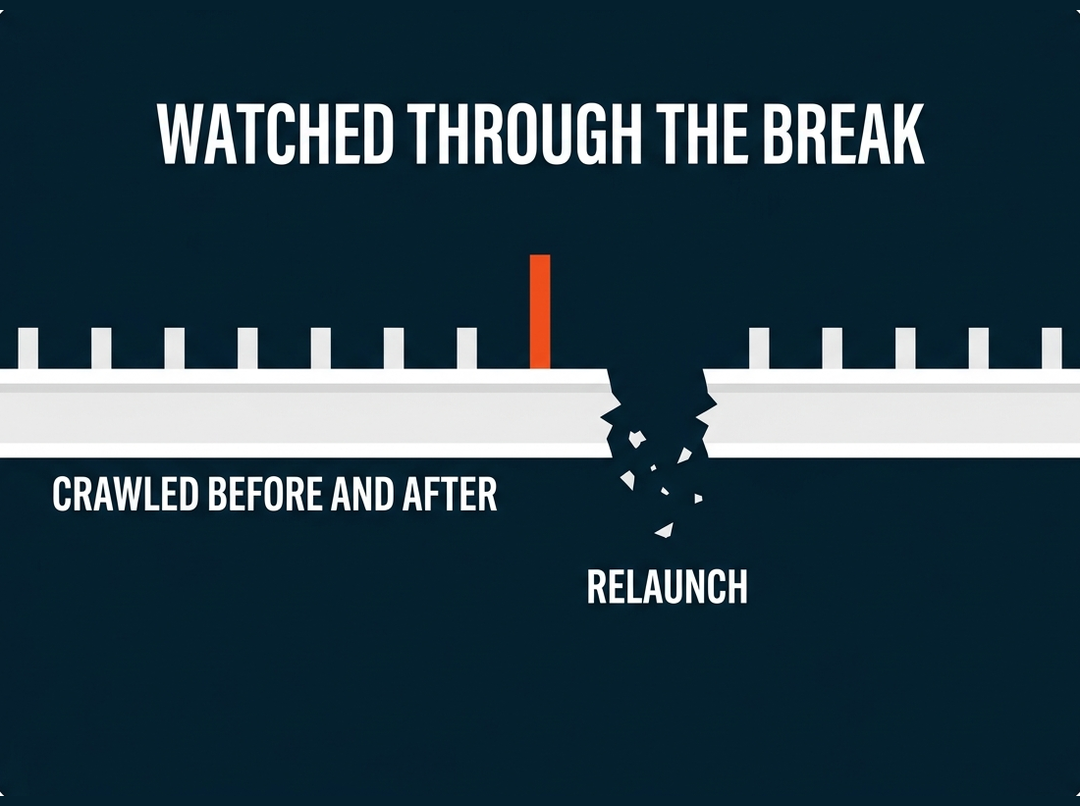
The relaunch belonged to another team. DAP crawled it anyway, because an unchecked launch loses rankings.
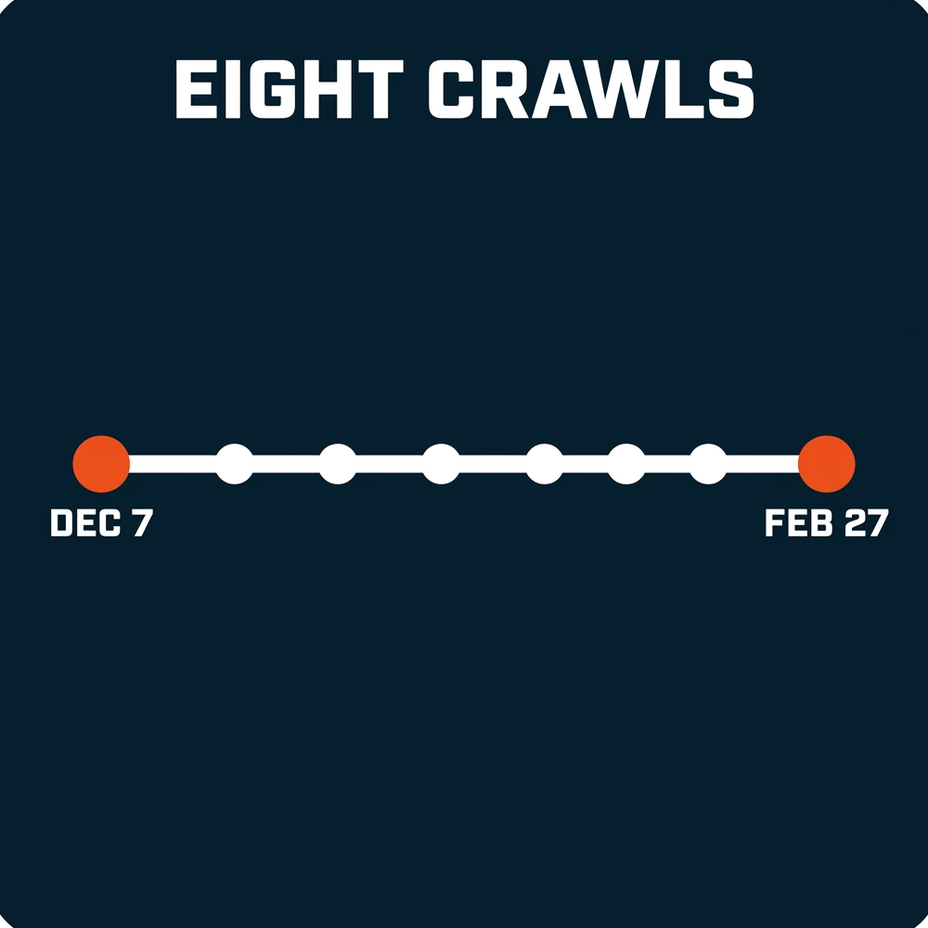
- Eight crawls between December 7 and February 27, covering the old site, the staging site and the live site
- A pre-launch technical report listing the fixes the development team needed to make, walked through on a recorded client call
- FAQ schema updated and redirect chains reviewed
- A malware issue and repeated site-down incidents investigated
- A location page rebuilt after a rollback wiped it, and page-wide content restored
Authority Built Away From the Website
New pages do not rank on their own in a market where national firms already rank locally on the same terms. DAP used the two assets the firm already owned and was not working.
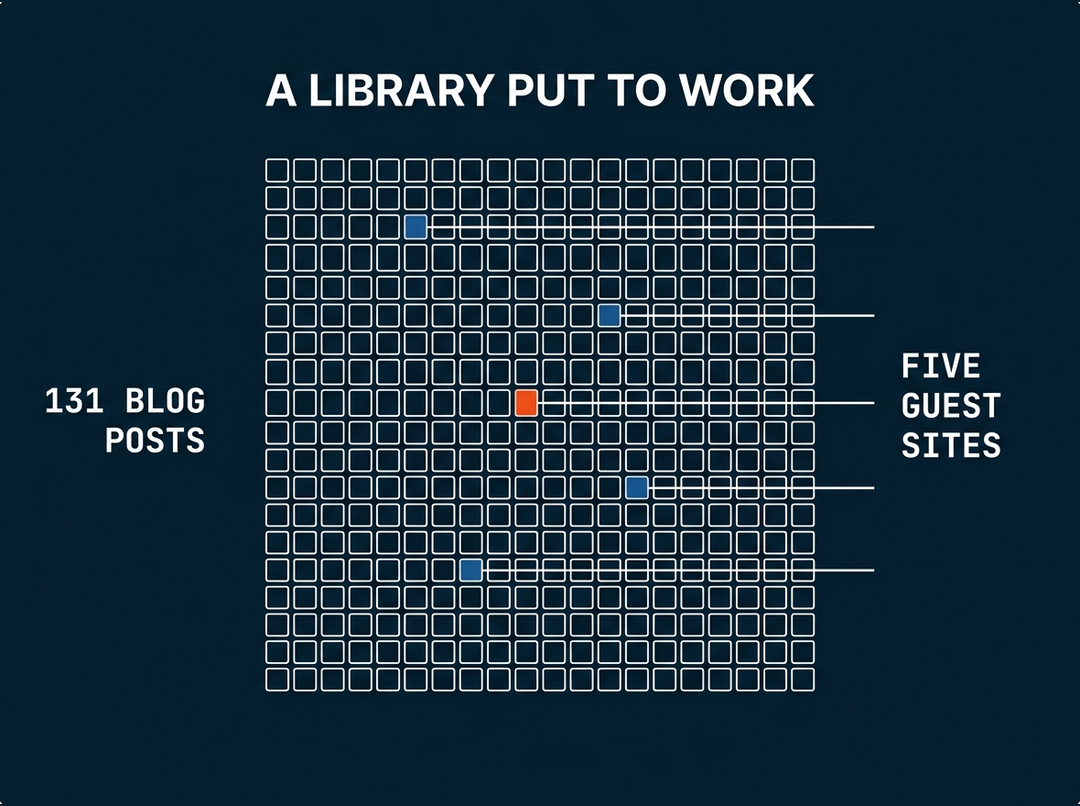
- A guest post program with five target sites sourced, submitted for the client’s compliance review and approved
- Backlink article outlines written for the client’s team to draft against, plus a copy brand guide to hold voice steady, with DAP editing and checking every draft
- All 131 existing blog posts assessed for optimization and internal linking opportunities
- Eight blog outlines delivered for the client’s writers, with two recorded walkthrough videos explaining how to use them
- A YouTube strategy covering the channel’s 127 existing videos, with metadata research and a podcast topic study on tariffs delivered on request
What We Achieved

Organic traffic reached 249 sessions in March 2025, against an average of 201 a month across the twelve months before the engagement began. That was the site’s best month in the eighteen months to March 2025. It landed in the same quarter as a relaunch, which usually costs traffic.

Referring domains, the count of separate websites linking to bluechippartners.com, rose from 109 in December 2024 to 134 in April 2025. That is a 23% increase across the engagement. The guest post program and the blog optimization work were running through the same months. The count kept climbing after the engagement closed.

Six city pages and a hub page were designed, written, approved and shipped inside the engagement, carrying over 10,000 words of copy researched city by city. The first page set the template, and every page built after it took roughly 48 hours.

DAP ran eight crawls between December 7 and February 27, covering the old build, the staging build and the live site. The findings went to the client’s development team as a written report and a recorded walkthrough. Most of that work was not billed, and the relaunch shipped without an organic traffic drop.

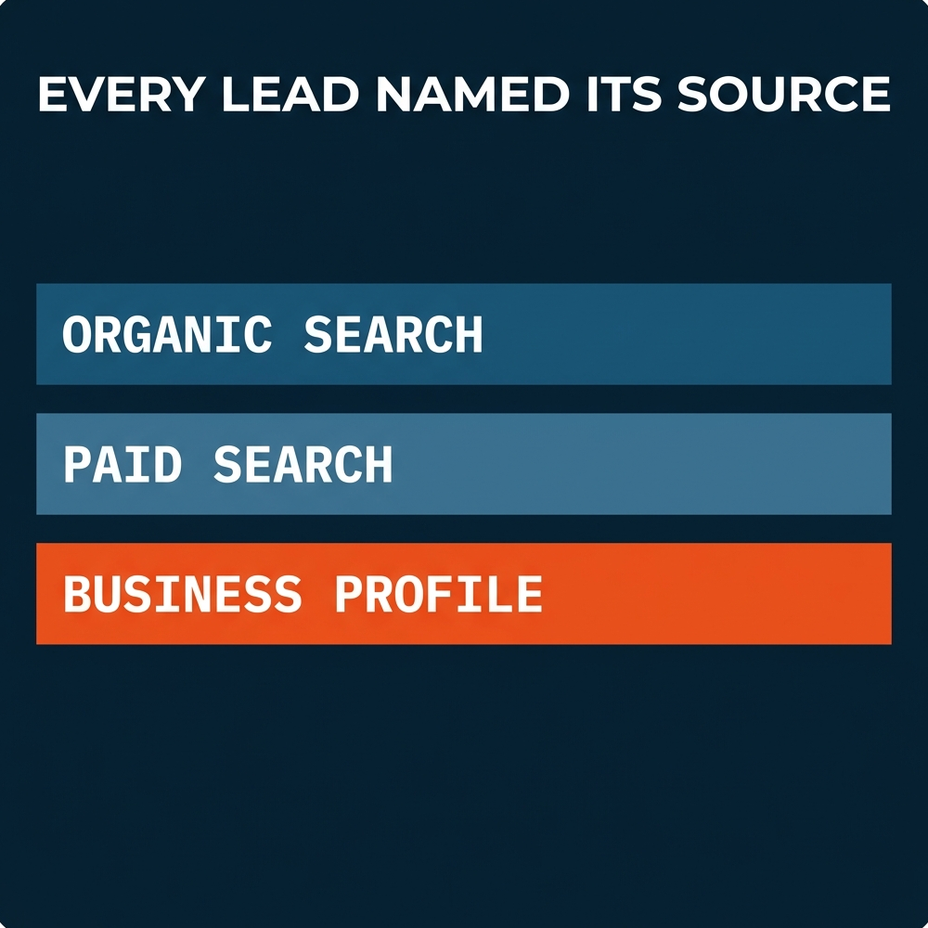
In the first ten days of March 2025, twelve form submissions were logged with the page each one started on and the channel that delivered it. Organic search, paid search, and the Google Business Profile each appeared by name, none of which was visible before the tracking work.