Design Environments
Design Environments is a forty-year-old commercial interior design and procurement firm with studios in Marietta, Georgia and Greensboro, North Carolina. Almost every project arrived through repeat clients and referrals, a strong place to start from and a hard place to grow from. Their business development team called out to prospect lists with nothing to send afterwards, seven verticals shared material written for one audience, and nothing on the website showed which of it worked.

A commercial interior design and procurement firm with studios in Marietta, Georgia and Greensboro, North Carolina. Forty years in, the team designs and furnishes multifamily communities, senior living campuses, hotels, private clubs, student housing, and institutional buildings, carrying every project from first concept through installation.


Project Summary
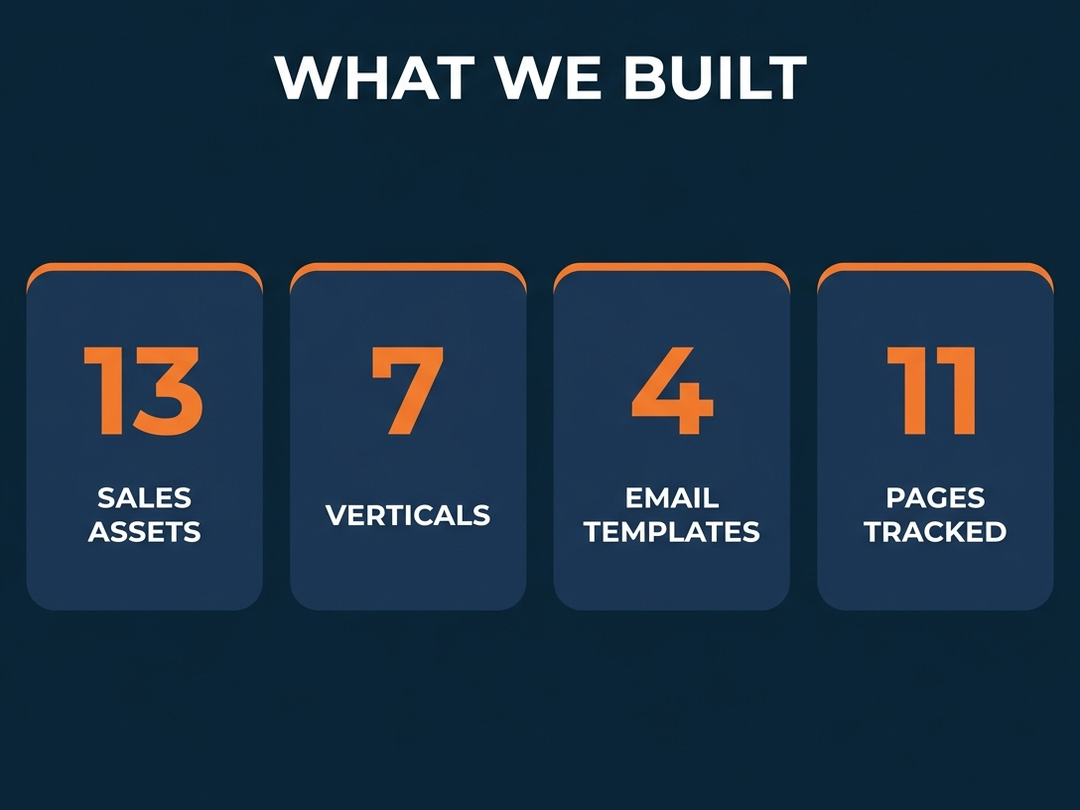
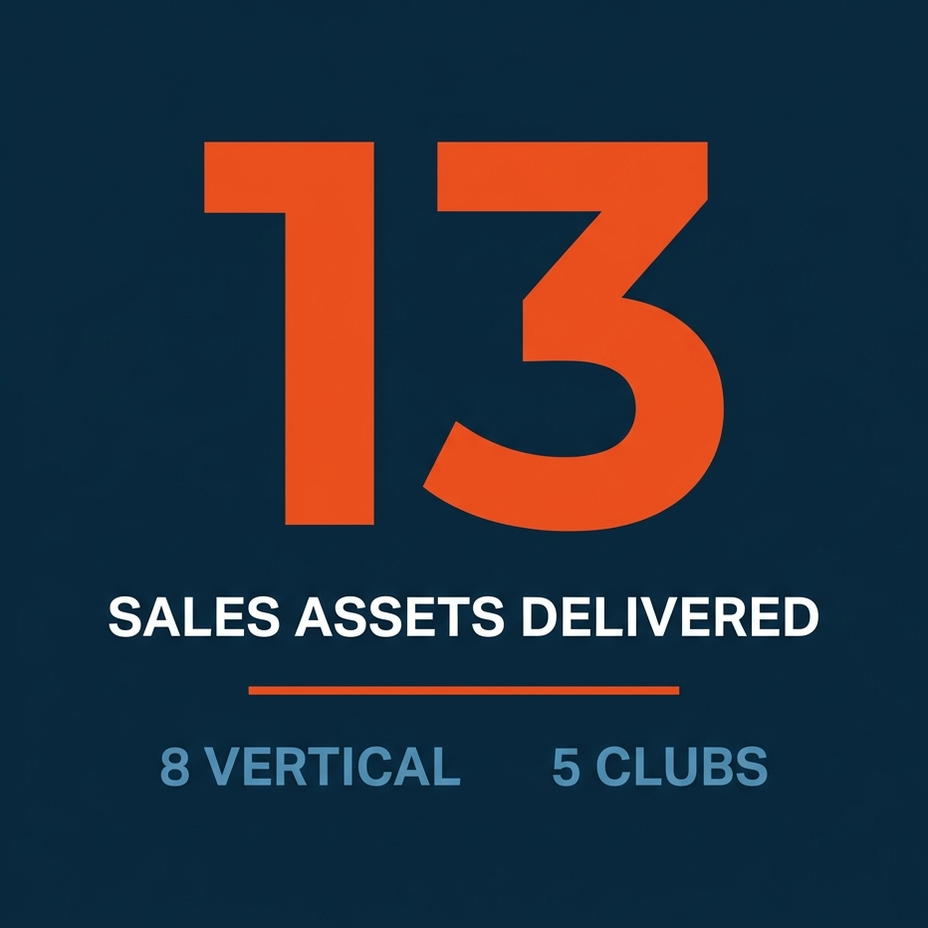
Design Environments engaged Digital Authority Partners to give a referral-led business a repeatable way to sell. Working across copy, design, web, and analytics, Digital Authority Partners shipped 13 print-ready sales assets across seven verticals, built the private clubs vertical out end to end as the model for the rest, wrote a four-touch outbound follow-up sequence the team runs from the tools it already owned, and installed website measurement across 11 pages where there had been none.
The Challenge
 Collateral
 No Assets to Leave Behind
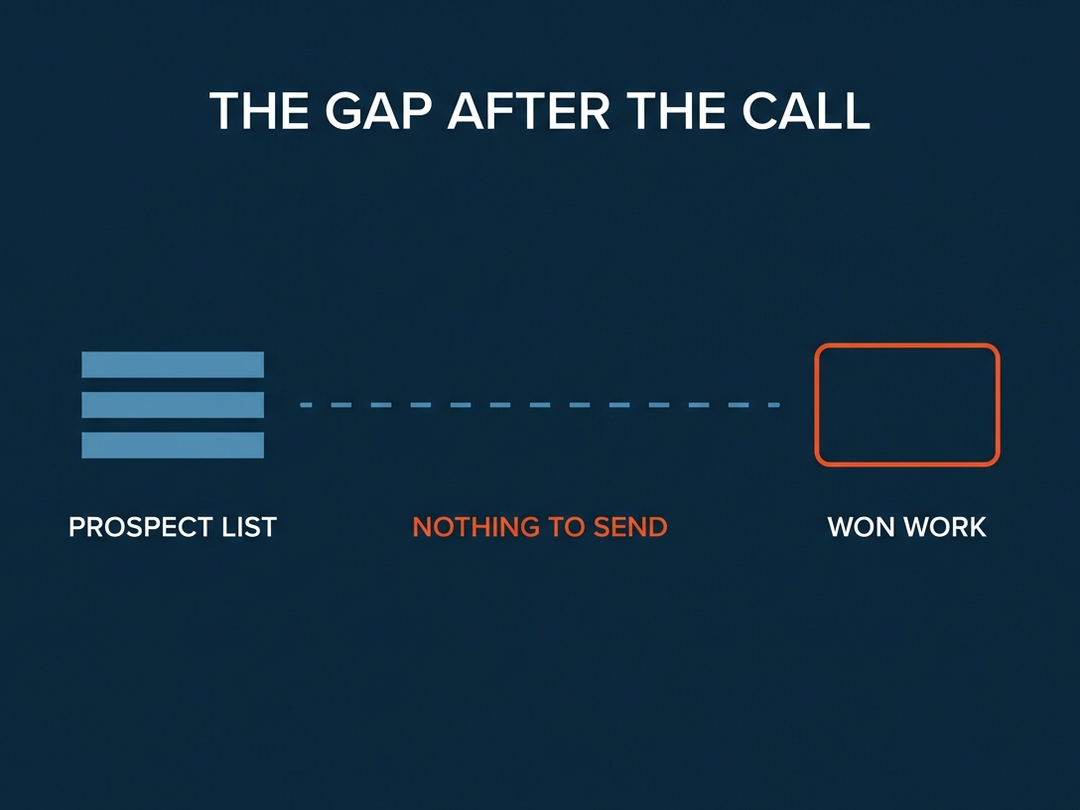
Business development worked prospect lists built from CoStar and closed on the strength of a conversation. Every follow-up started from a blank page, so a pitch carried only as much proof as the person delivering it could remember.
 Vertical Coverage
 Seven Buyers, One Set of Words
The firm sells into multifamily, senior living, hospitality, private clubs, student housing, single family, and institutional work. Each buyer weighs different things, and every one of them saw material written for a single audience.
 Follow-Up
 Follow-Up Lived in One Inbox
No email platform, no customer relationship system, and no automation inside the project tracker. Outbound follow-up ran out of one person's Outlook, which made it hard to repeat and impossible for the rest of the team to see.
 Measurement
 The Website Reported Nothing
Analytics had never answered a business question. Nobody could see which vertical pages drew interest, which service pages held attention, or what a visitor looked at before making contact.
How We Helped Design Environments
A Vertical Sales Asset Library
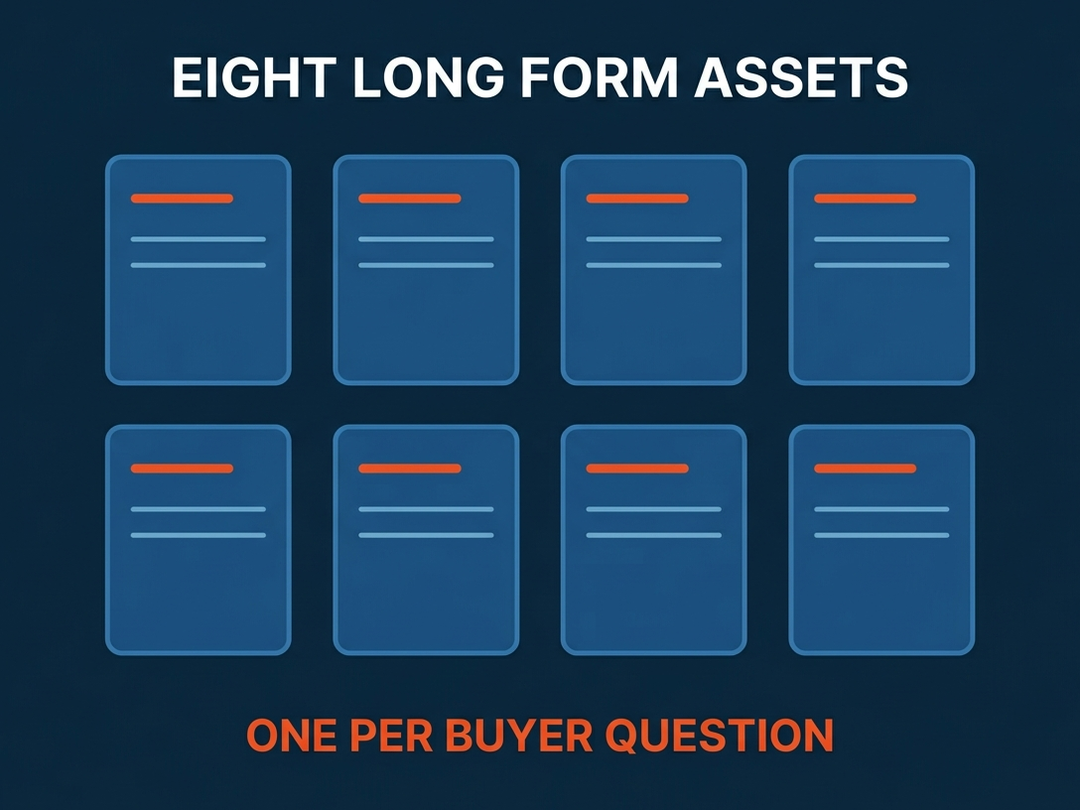
Eight long-form assets, each built around a question a buyer asks before signing.
- Copy written, edited, and quality-checked across all nine commissioned assets, with the ninth paused at the client's request
- Themes taken from real buyer objections covering amenity return, project detail control, supply chain, and long-term value
- A proof asset built around the firm's own project record so the team opens with evidence
- A 2025 multifamily design forecast so a conversation starts without a pitch
- Print-ready artwork plus working files the firm owns outright
A Private Clubs Go-To-Market Kit
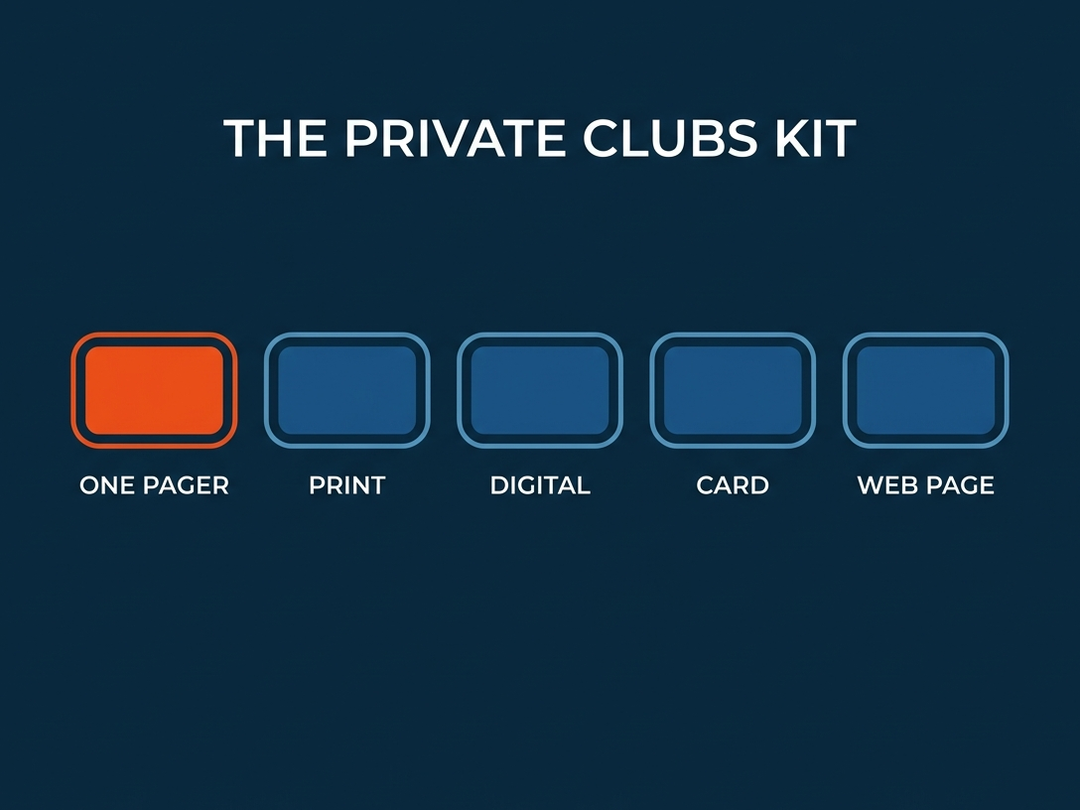
The private clubs vertical built out end to end as the model the other verticals follow.
- A one-page overview for email and a second sized for print
- A print brochure leading with the Pinehurst and River Landing work
- An interactive digital brochure the team sends as a link
- A handout card sized for trade shows and site visits
- A dedicated private clubs page linking through to individual club projects
An Outbound Follow-Up System
A four-touch email structure the team runs from the tools already in place.
- Four sequenced follow-up templates written for private club decision makers
- Imagery pulled from live club projects so every touch carries proof
- A structure built for Outlook, the only tool the team had
- A single-family one-pager written for the D.R. Horton relationship
- Documents the team edits and sends, with no new licence to buy

A Measurement Foundation
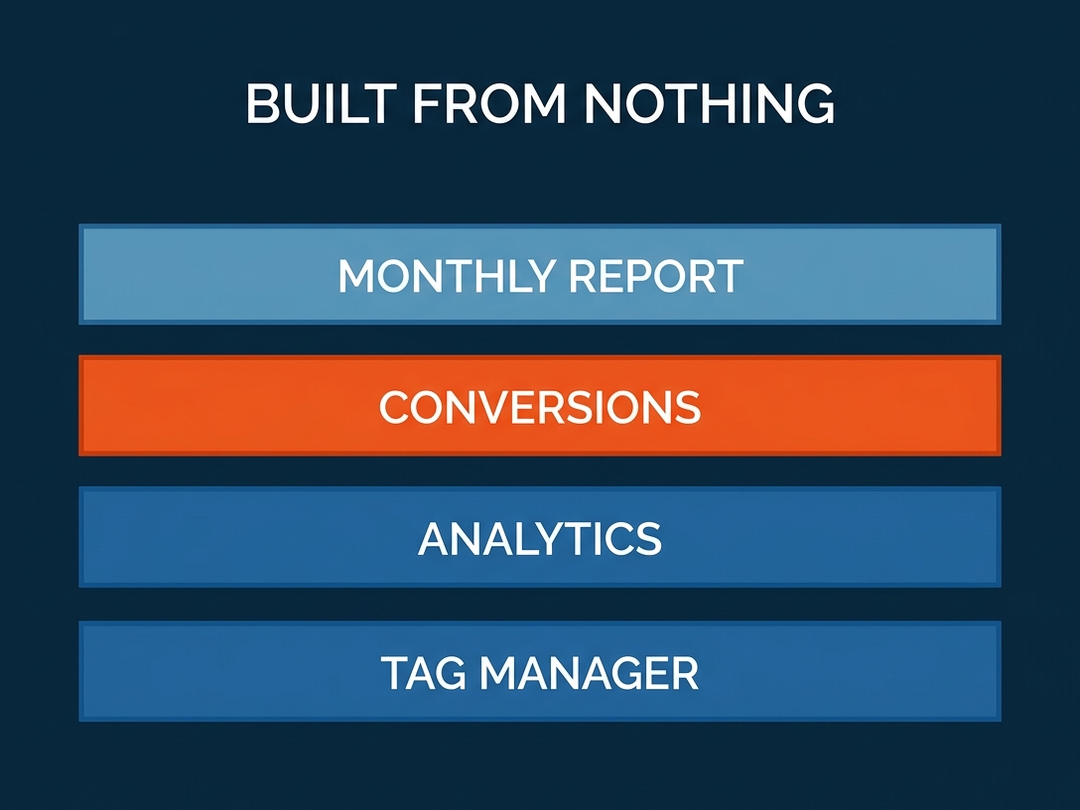
Analytics, tag management, and conversion tracking built from scratch, then read every month.
- Google Analytics 4 and Google Tag Manager implemented from nothing
- A website tracking audit confirming what the site did and did not record
- Micro-conversion tracking added to the contact paths
- All eight vertical pages plus the three service pages instrumented
- Monthly reporting with page-level engagement for every vertical
What We Achieved

The team went from nothing to send to a library that answers the questions buyers ask. Eight long-form vertical assets and five private clubs and single-family pieces, every one print-ready and owned outright by the firm.

Multifamily, private clubs, single family, senior living, hospitality, student housing, and institutional work each have material that speaks to their own buyer. A Phase 1 repurposing plan then mapped how the strongest assets adapt into four more verticals.


Private club follow-up became repeatable. Four sequenced templates carry live project imagery, run inside the tools the team already owned, and point to a private clubs page that went live on the site.


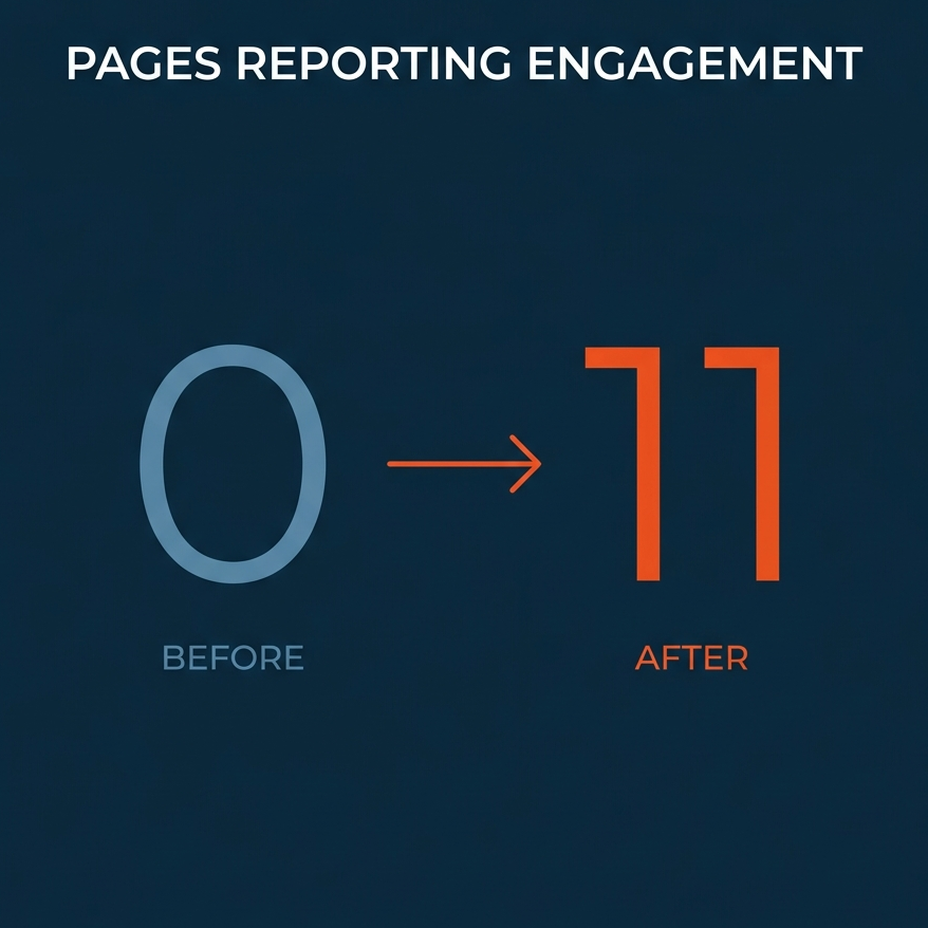
The site went from reporting nothing to reporting every month. Eleven pages now carry engagement data, so the firm can see which verticals hold a buyer’s attention before deciding where to invest.