Erbis
Erbis is a custom software development firm with headquarters in San Francisco and engineering teams in Krakow and Dnipro. The company came to Digital Authority Partners with deep supply chain and legal technology expertise, and a measurement problem sitting underneath it. Leads arrived with no traceable source, two competing tracking events risked double counting every one of them, and a target of 30 sales qualified leads per month sat on a plan funded for 30 total inquiries.

Erbis builds custom software for supply chain, logistics, and legal technology companies. The firm runs three offices across the United States, Poland, and Ukraine, with more than 100 engineers serving 45 clients. Its own positioning centers on measured business outcomes, backed by ISO 27001 certification.


Project Summary
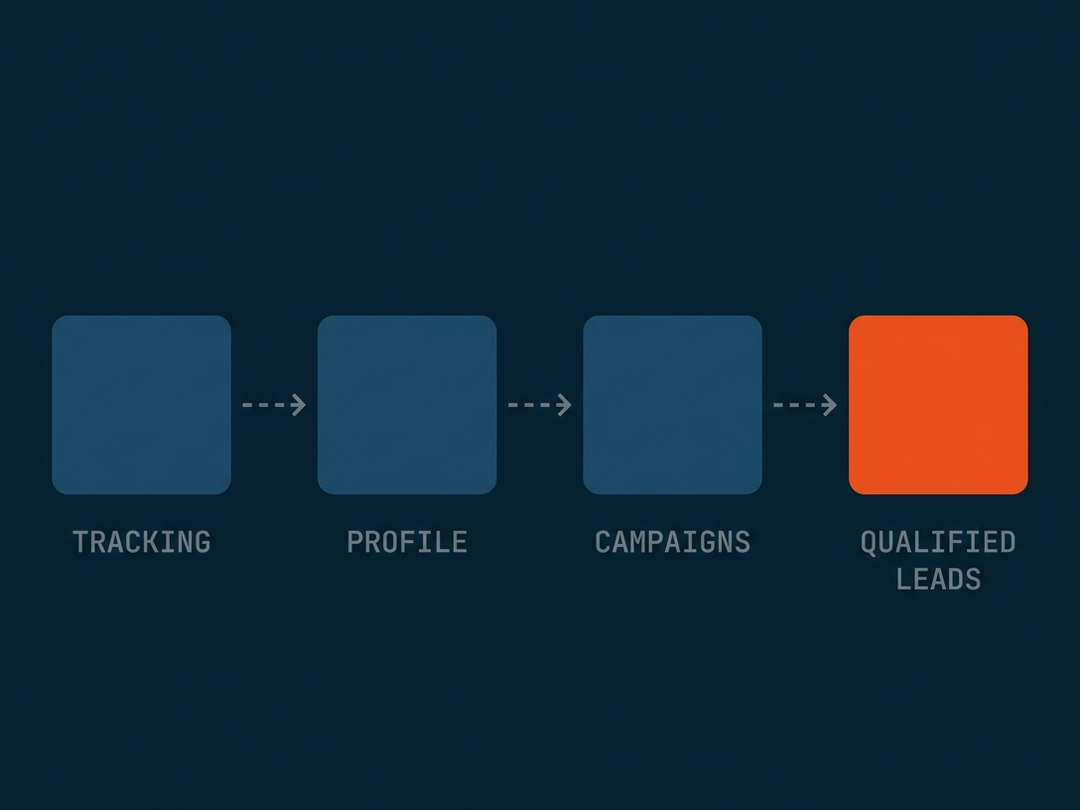
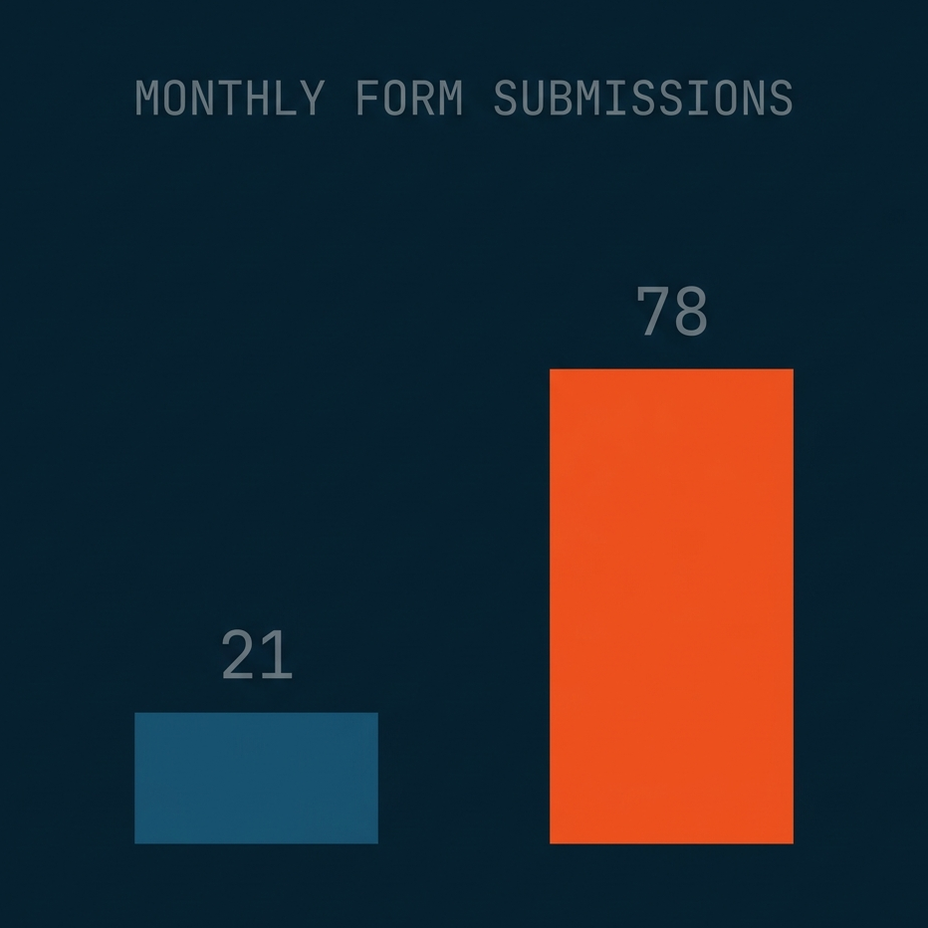
Erbis brought in Digital Authority Partners to build a measurement foundation and a paid search program that could prove which marketing produced qualified leads. DAP rebuilt the analytics layer so every lead action reports once and traces back to a campaign, repositioned the company around supply chain and AI, and launched Google Ads campaigns against the two verticals that positioning named. Between January and March 2026, monthly form submissions rose from 21 to 78 and organic engaged sessions grew 202 percent.
The Challenge
 Disconnected Lead Funnel
Zero Campaign-to-Qualified-Lead Visibility
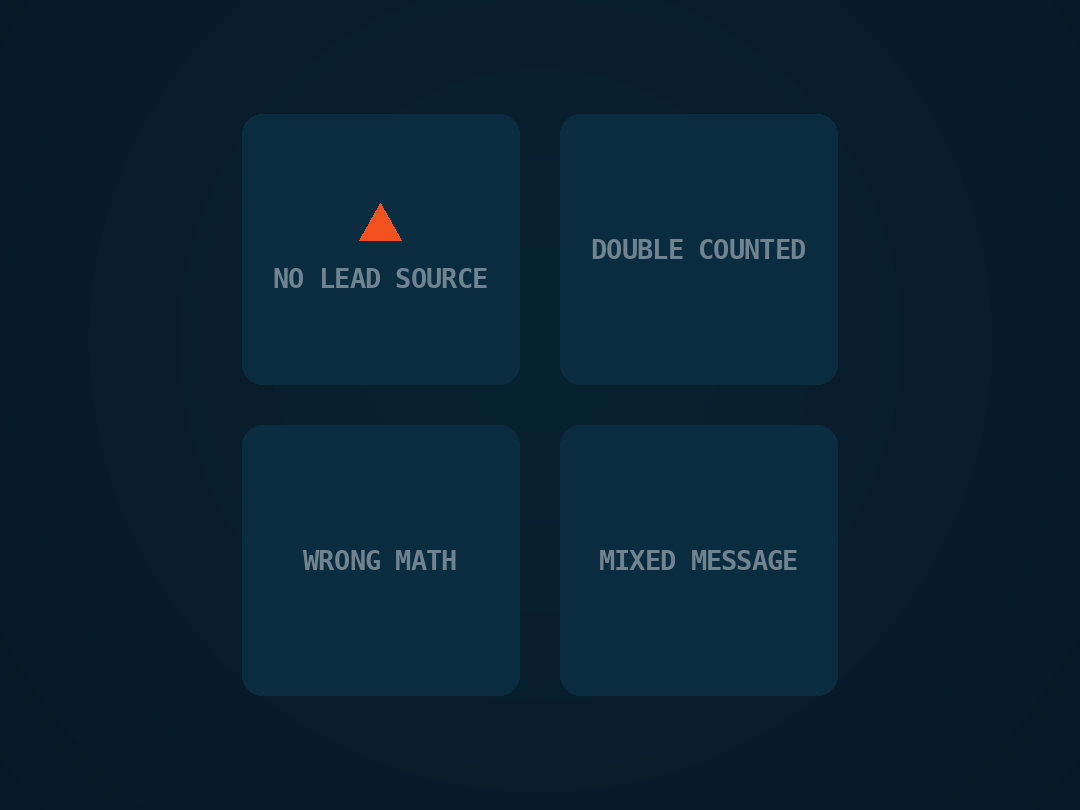
Leads landed in HubSpot, where the team added and answered them by hand. No data flowed back to Google Analytics or Google Ads, so nobody could say which campaign produced a qualified lead. Budget decisions ran on raw form-fill counts alone.
 Fragmented Conversion Tracking
Two Rival Lead Events, One Job
Two separate form submission events both ran as key events with no documented difference between them, which risked a double count on every lead. Google Signals and user-provided data collection sat switched off, hiding cross-device behavior. The October 2025 audit rated the setup Needs Improvement.
 Misaligned Growth Target
30 Qualified Leads on a 30-Inquiry Plan
The plan funded 30 monthly inquiries against a target of 30 sales qualified leads per month. At an inquiry-to-qualified-lead rate of two to 10 percent, 30 inquiries yield fewer than three qualified leads. The target and the budget described two different businesses.
 Unfocused Positioning
A Customer Profile That Contradicted Itself
Erbis went to market as a development firm with an AI capability, and its customer profile named 10-plus employees in one document and 35 to 600 in another. Vertical messages competed with each other. Paid search had no vertical to anchor to.
How We Helped Eris
Analytics Foundation Rebuild
Digital Authority Partners audited the Google Analytics 4 and Tag Manager setup, then rebuilt the measurement layer so every lead action reports once and reports accurately.
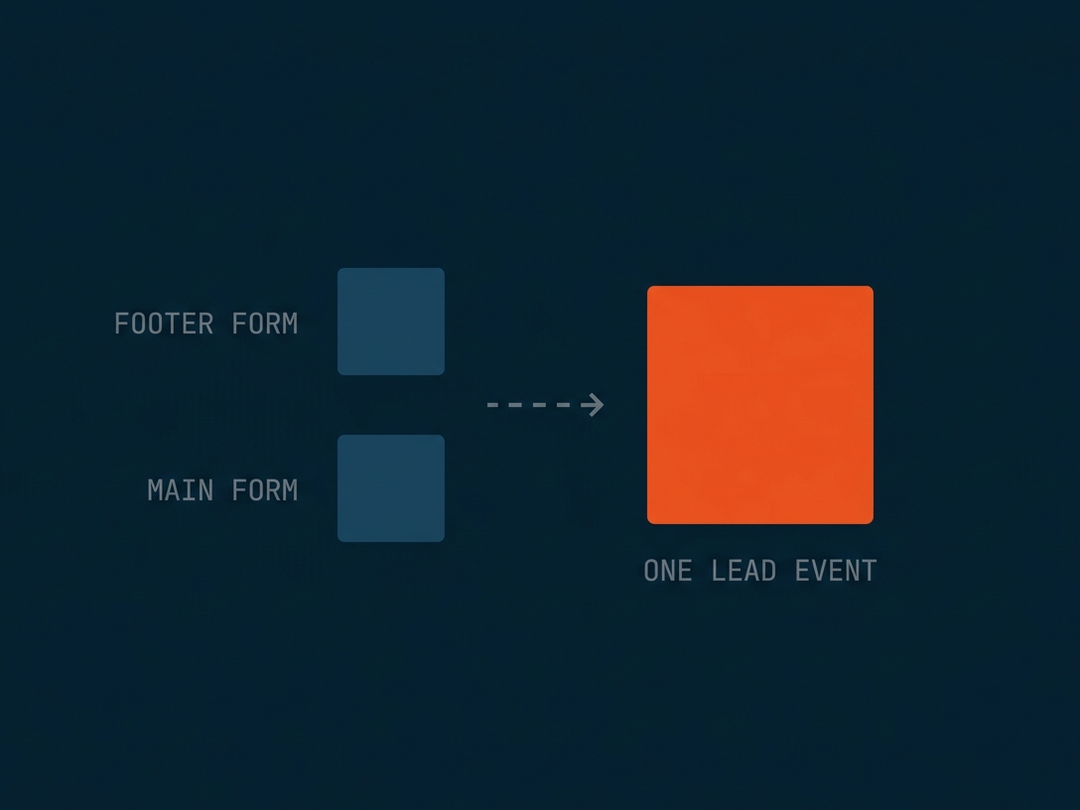
- Consolidated two competing form events into one standardized lead event in Google Tag Manager
- Filtered bot traffic and internal team visits out of Google Analytics 4
- Built and deployed a conversion-tracking thank you page to enable clean lead attribution
- Finalized Google Ads conversion tracking, then aligned platform actions to Google Analytics 4 key events
- Documented UTM and GCLID handling so campaign data survives the handoff into HubSpot
Go-to-Market Repositioning
DAP replaced a mixed set of vertical messages with one positioning line and one customer profile the sales team could test.
- Rewrote the positioning so AI sits at the core of the company identity, then made that the lead message in every channel
- Made supply chain the primary vertical and legal technology conditional on defined investment
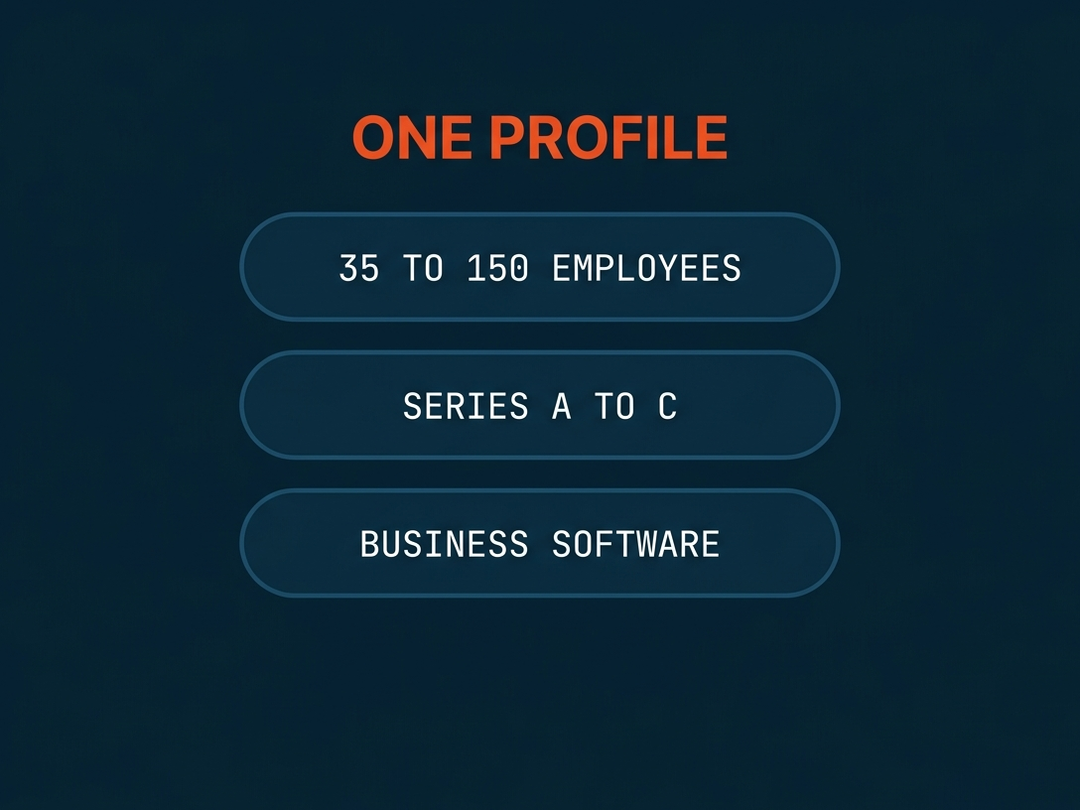
- Defined the customer profile as 35 to 150 employees, Series A to C, business software
- Sorted the competitor field into scale players, specialists, and generalists with threat levels attached
- Built a dual-funnel model with separate enterprise and mid-market motions
Paid Search Build and Management
DAP built the Google Ads account from a standing start around the two verticals the new positioning named.
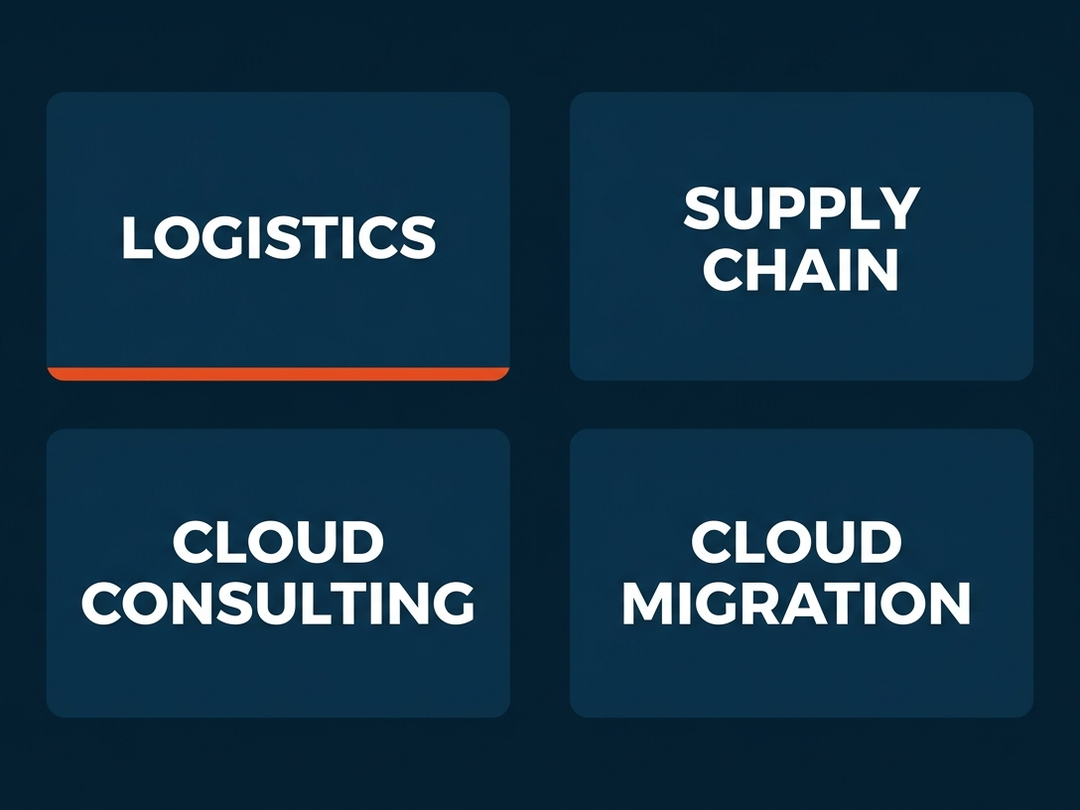
- Launched Logistics Software Development and Supply Chain and Manufacturing IoT as separate campaigns
- Ran weekly search-term reviews and negative keyword expansion to strip out low-intent queries
- Tested a third AI-focused campaign, which produced the account's strongest click-through rate at 4.83 percent
- Launched AWS Cloud Consulting and AWS Migration Services campaigns, where all four responsive search ads earned Google's Excellent strength rating
- Reported weekly against lead quality, click-through rate, and impression share
Landing Page and Demand Capture
DAP wrote and shipped dedicated pages so paid clicks land somewhere built for the query behind them.
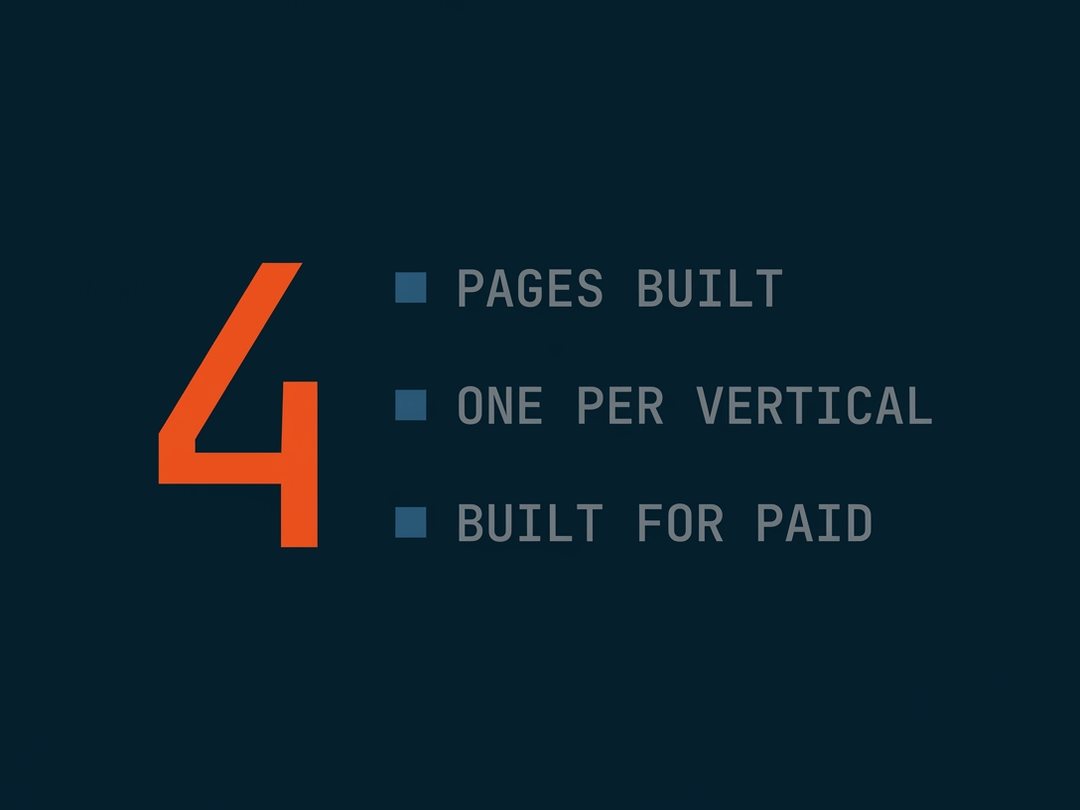
- Shipped a logistics software development landing page in March 2026
- Built AWS cloud consulting and AWS migration services pages ahead of the campaign launch
- Rebuilt the AI supply chain systems page around its target query set
- Aligned landing page copy to ad group keywords to lift Quality Score off a baseline of one to three
- Delivered a keyword strategy covering classic search and AI answer engines
What We Achieved

Monthly form submissions climbed from 21 in January to 78 in March. Accurate event tracking and purpose-built landing pages did that work together, and every submission now traces back to a campaign.

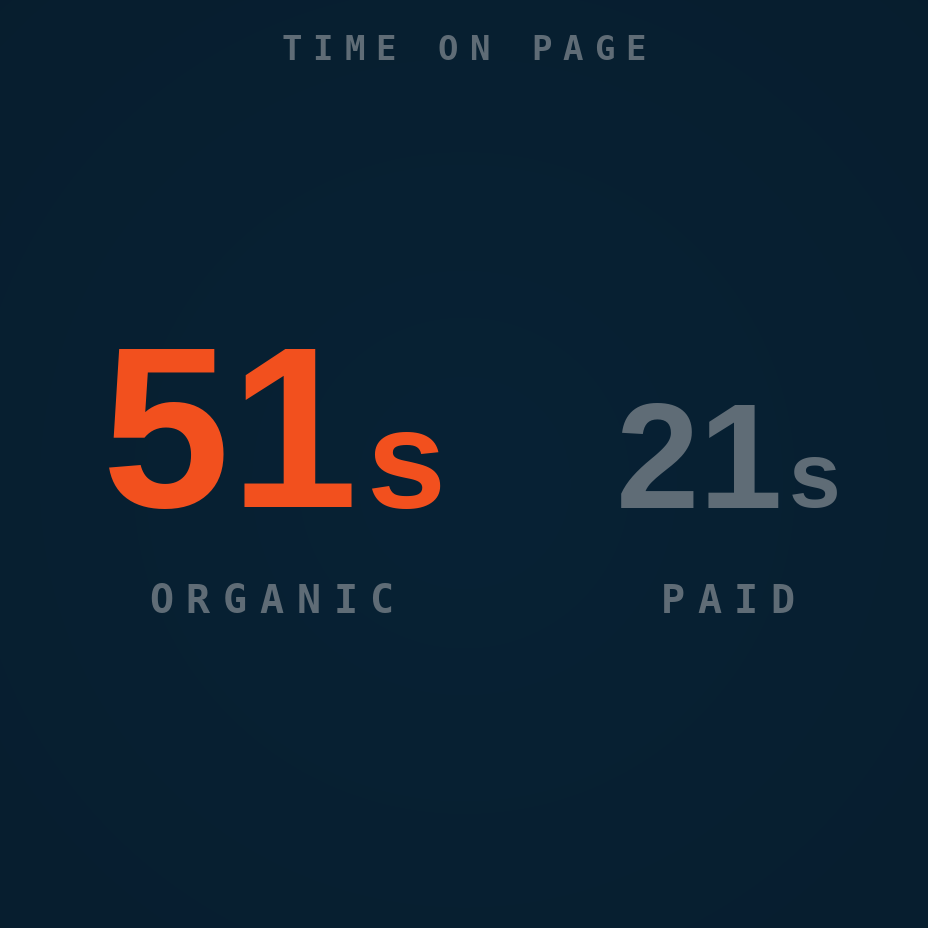
Organic engaged sessions grew from 58 to 175, and organic rose from 14.5 percent to 20.8 percent of all engaged sessions. Organic visitors stayed 51 seconds on average against 21 seconds for paid, which makes organic the highest-intent channel on the site.

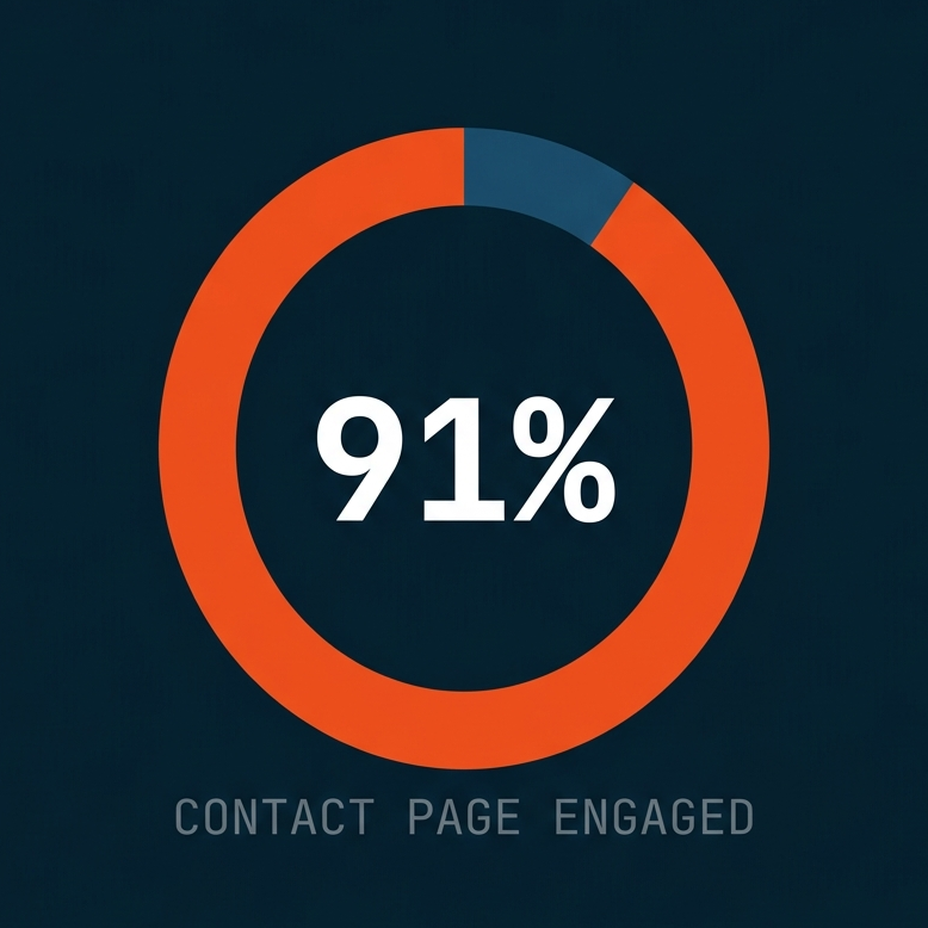
Unique users clicking to book a call rose from 29 in January to 59 in March. The contact page drew 156 sessions with 142 engaged, a 91 percent engagement rate, which marks the traffic arriving as in-market.

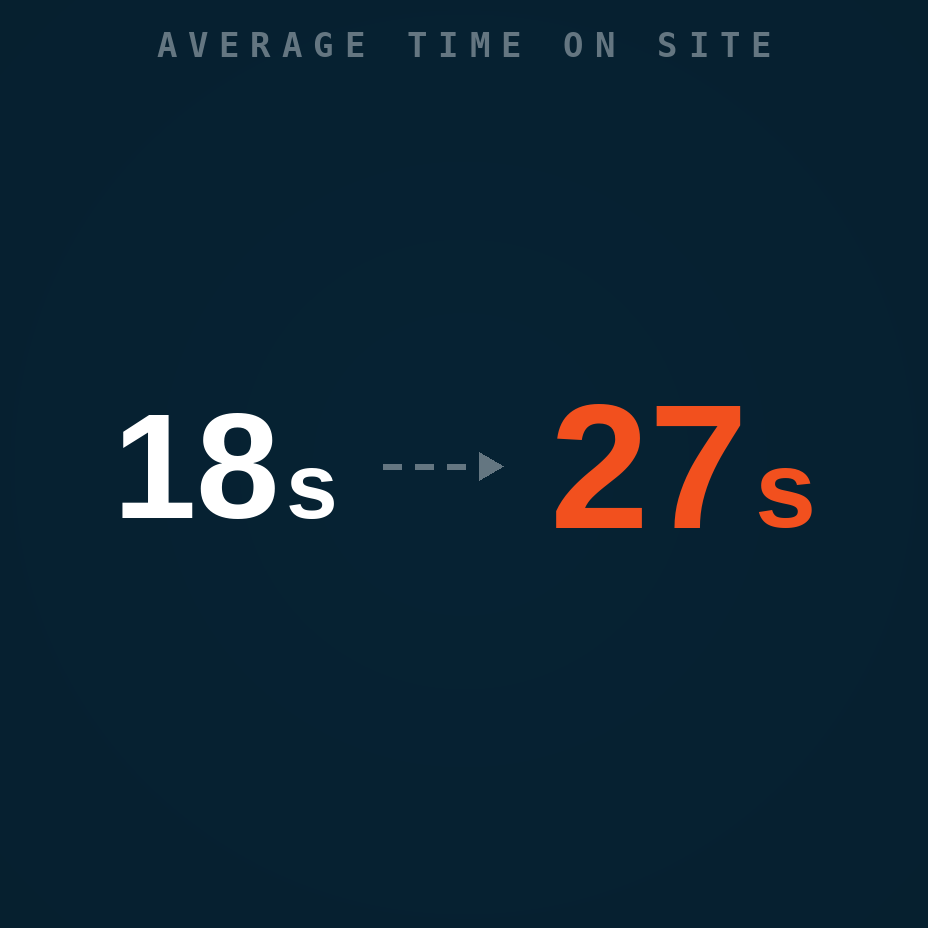
Sessions grew from 787 in January to 1,846 in March. Average engagement time climbed 50 percent over the same window, from 18 seconds to 27 seconds, so the additional visitors stayed to read.