Jobsity
Jobsity is a nearshore staffing platform that connects US companies with vetted software engineers and contact center teams across Latin America. The company had real brand demand and a deep content library, but almost none of it reached buyers. Commercial pages drew as few as 35 organic sessions a year, a wave of spam backlinks was pointing at the domain, and the analytics counted scroll events as leads, so nobody could tell what was working.

Jobsity combines proprietary AI with human vetting to connect US companies with nearshore software engineers and contact center professionals across Latin America. The company places talent that works US hours from day one, which removes the time zone gap that makes traditional offshore hiring painful.


Project Summary
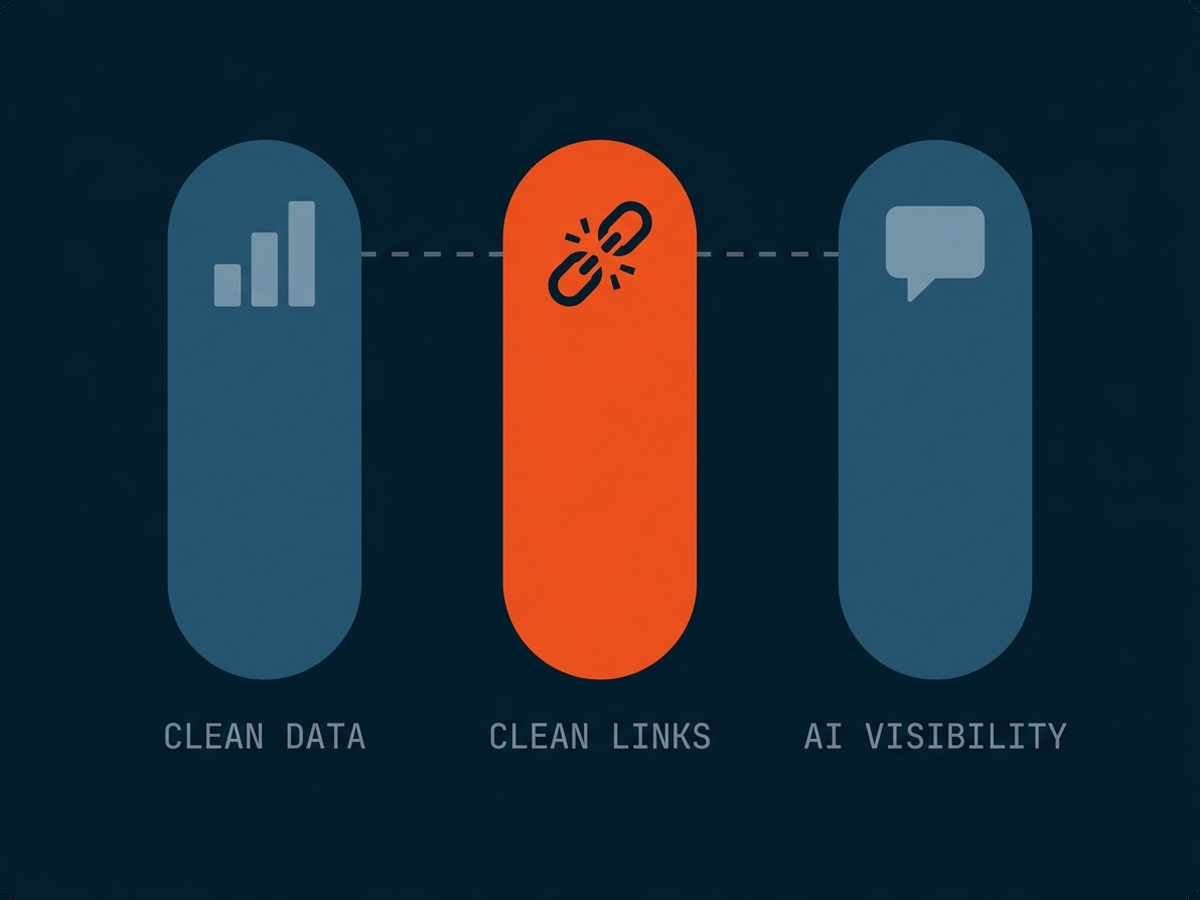
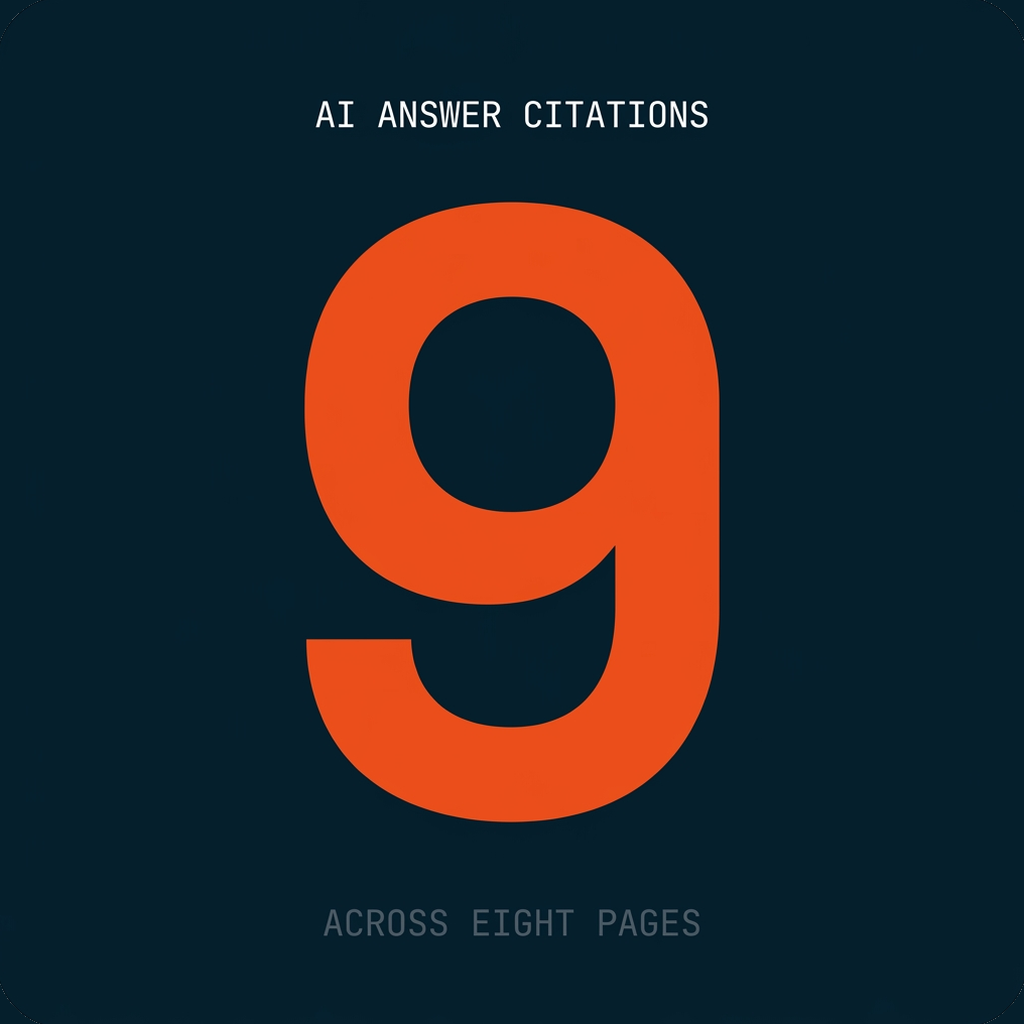
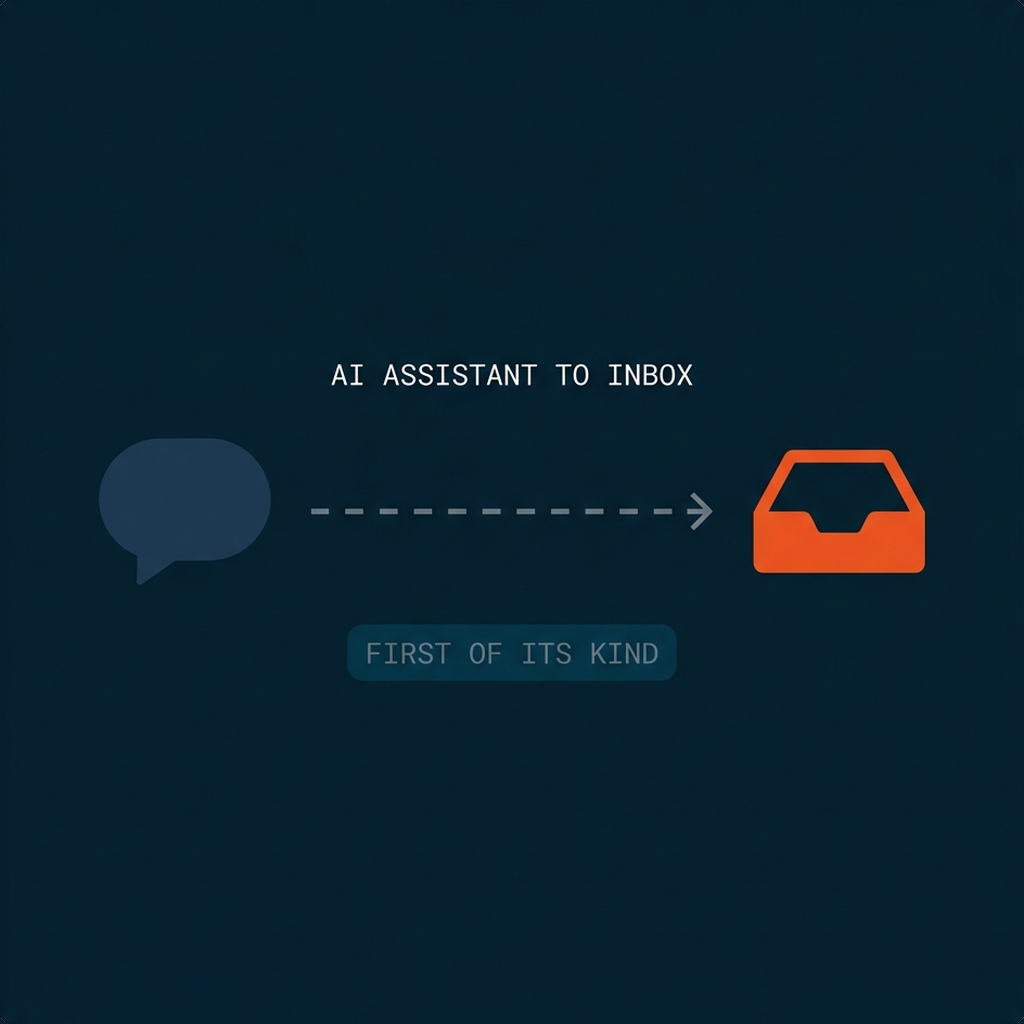
Jobsity engaged Digital Authority Partners to reach buyers who now start their search inside an AI assistant. In the first three months, Digital Authority Partners rebuilt conversion tracking that had buried 394 real leads under 54,900 vanity events, cleared a negative SEO attack by disavowing 287 spam referring domains, and rebuilt the content and schema plan around buyer intent. That work put Jobsity into nine AI answer citations and its first lead sourced from ChatGPT.
The Challenge
 Analytics Blind Spot
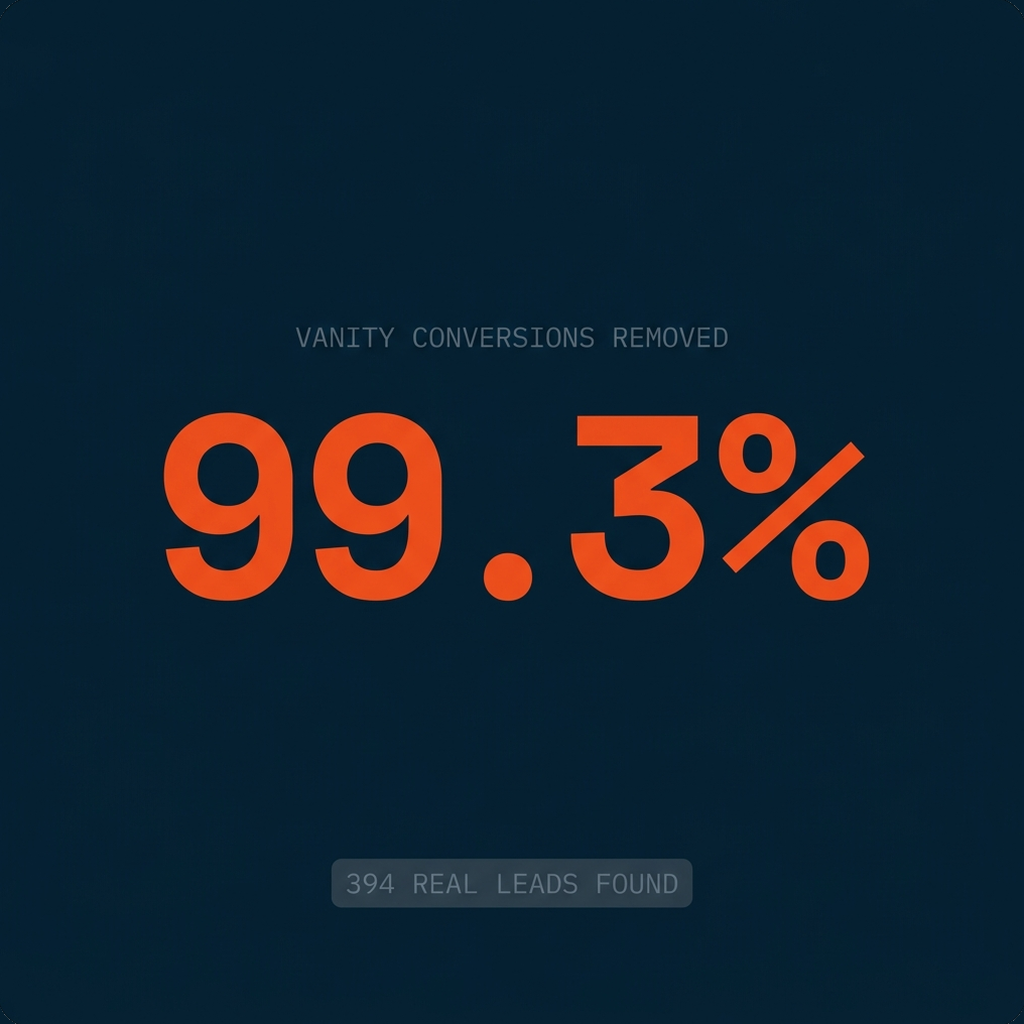
 99.3% of Tracked Conversions Were Not Leads
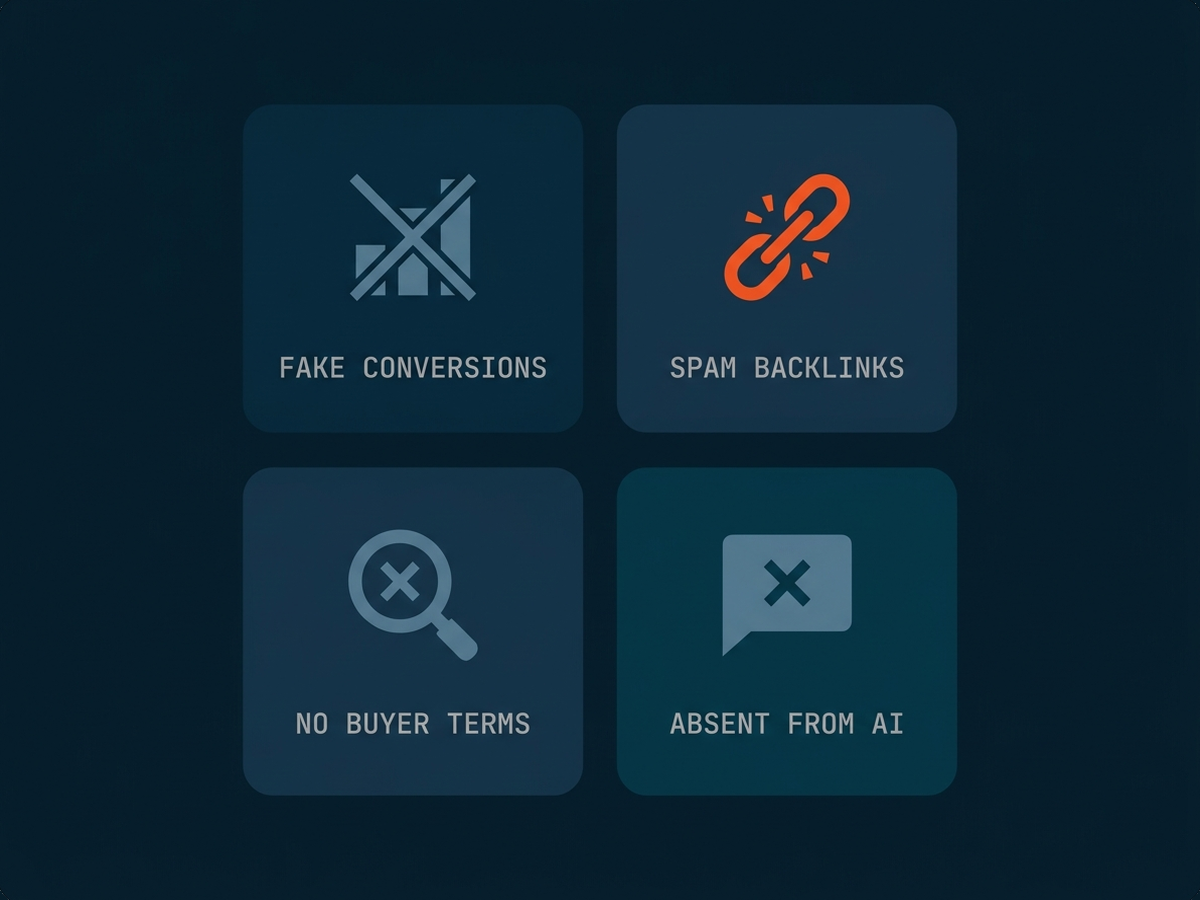
GA4 counted about 54,900 key events over 12 months and only 394 of them were real form submissions. The setup flagged scroll depth and A/B test page views as conversions, so any scorecard built on that data ran more than 100 times high.
 Negative SEO Attack
 812 Spam Domains Pointing at the Site
In a single 90 day window, 427 new referring domains appeared carrying casino, payday loan, and replica anchors, 39% of the entire profile. Fake user profiles on Jobsity's own git subdomain gave the link farms a target that tied the attack to the company.
 Invisible to Buyers
 Zero Buyer Intent Terms Ranking
The site ranked for developer education topics like C++ guides and GitHub tutorials while the pages built to sell drew 35 to 61 organic sessions a year. Buyers searching for nearshore staffing never reached them.
 Missing From AI Answers
 Near Zero Presence in AI Search
All 25 priority terms return a Google AI Overview and Jobsity appeared in none of them. The site carried no structured data and no comparison content, so the AI engines had nothing to cite.
How We Helped Jobsity
AI Visibility Program
Digital Authority Partners mapped how AI engines answer nearshore hiring questions, then gave Jobsity the content and the markup those answers draw from.
- 20 prompt panel across ChatGPT, Perplexity, Gemini, and Claude, split between buyer questions and talent questions
- Question map covering what buyers ask across the top 25 pages
- Comparison and definition briefs aimed at the queries that trigger AI answers
- Schema deployment spec covering Organization, Service, and FAQ markup
- Crawler access opened for the bots behind each major AI engine
Backlink Cleanup and Recovery
A full profile review separated genuine editorial links from the spam wave, then handed Jobsity a removal list it could approve row by row.
- Review of 1,004,470 live backlinks from 1,104 referring domains
- Three band scoring, clean, watch, and toxic, built on observable signals rather than a purchased score
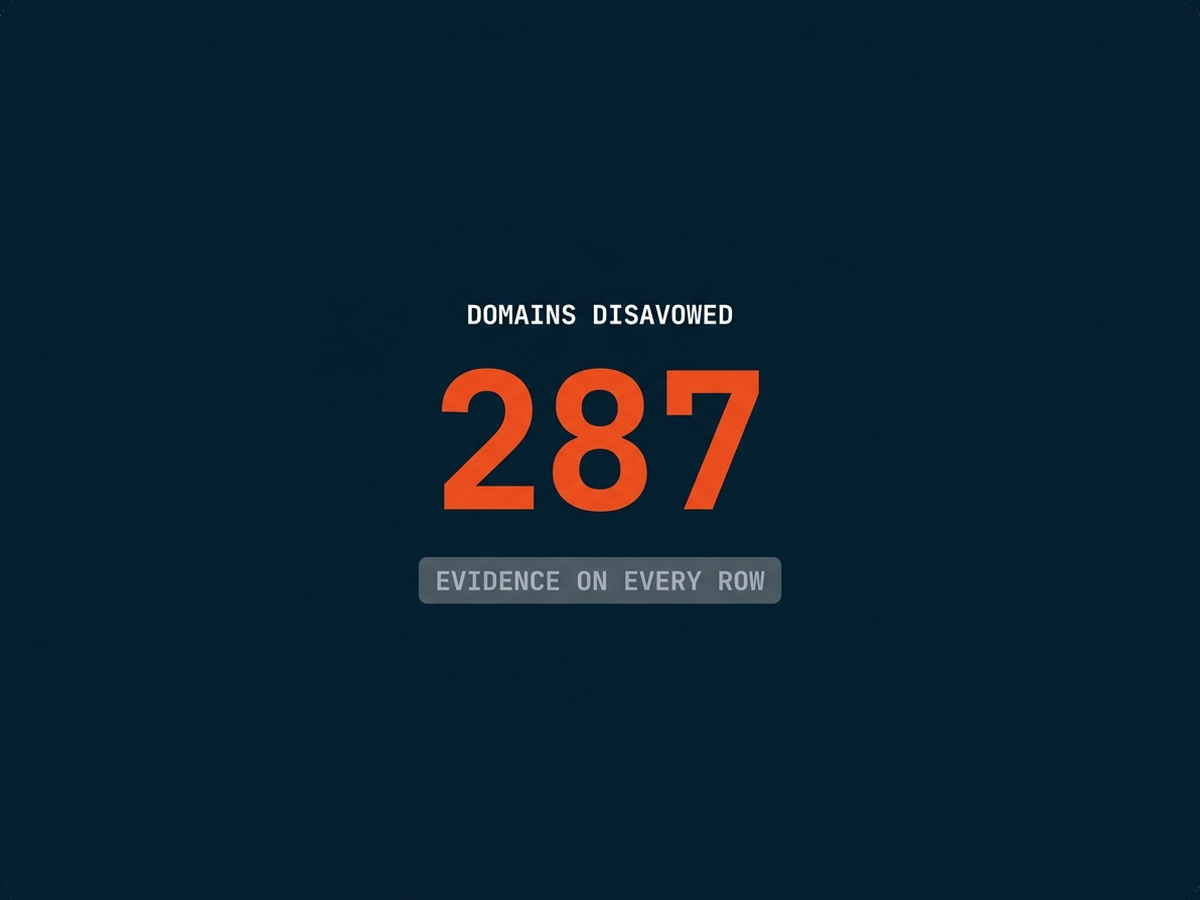
- Disavow file covering 287 domains, each row carrying its evidence and a link to verify it
- Lockdown spec for the git subdomain the spammers were using as a target
- Reclamation list for lost links from high authority technology sites and directories
Analytics Rebuild
Digital Authority Partners made the tracking changes directly rather than handing over a spec, so the 90 day review would rest on numbers leadership could trust.
- Six vanity key events de-flagged, including scroll depth and both A/B test page views
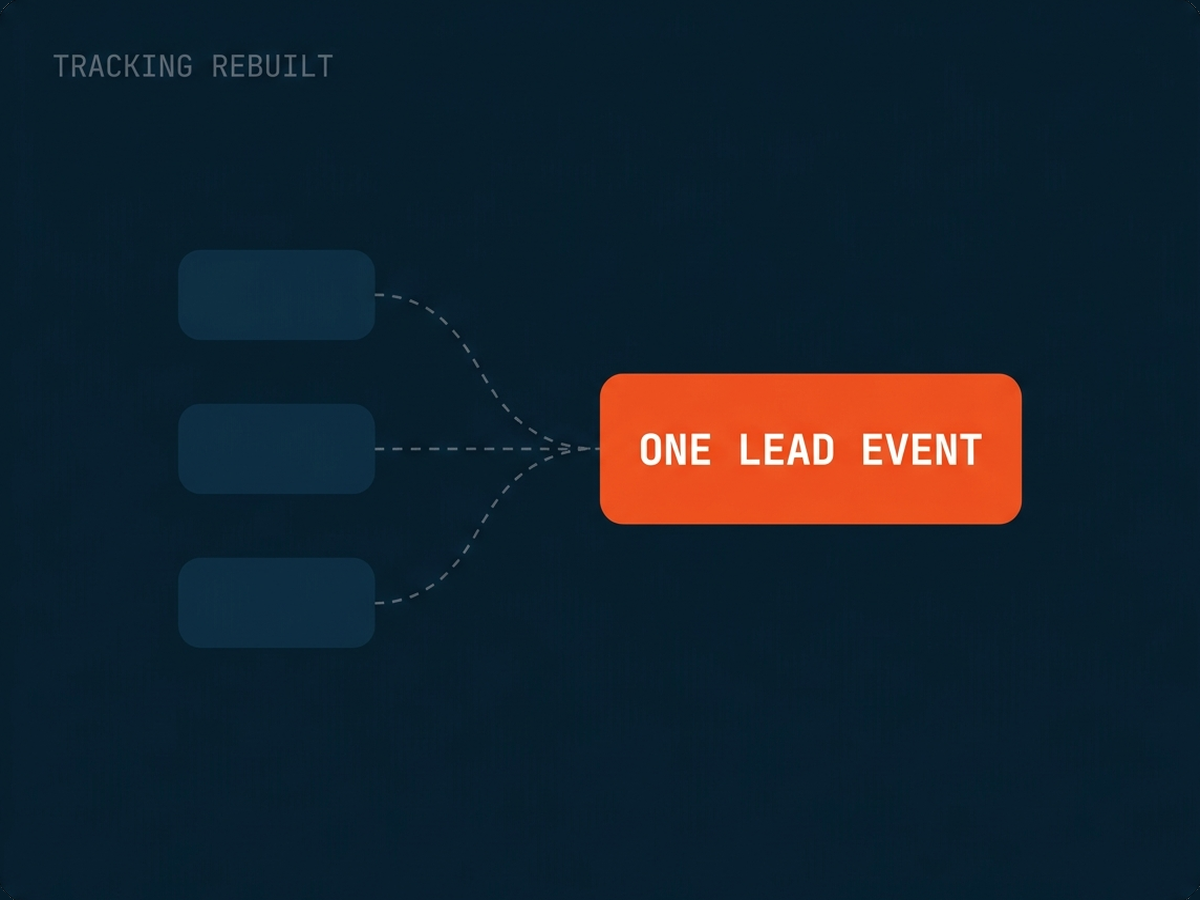
- Three split form events consolidated into one clean lead conversion
- Custom dimension added so leads assisted by an AI engine surface in the funnel
- Campaign tagging rules enforced to drain a direct channel that had grown seven times in a year
- Scorecard defined around four measures, each gated on both delivery and deployment
Buyer First SEO Architecture
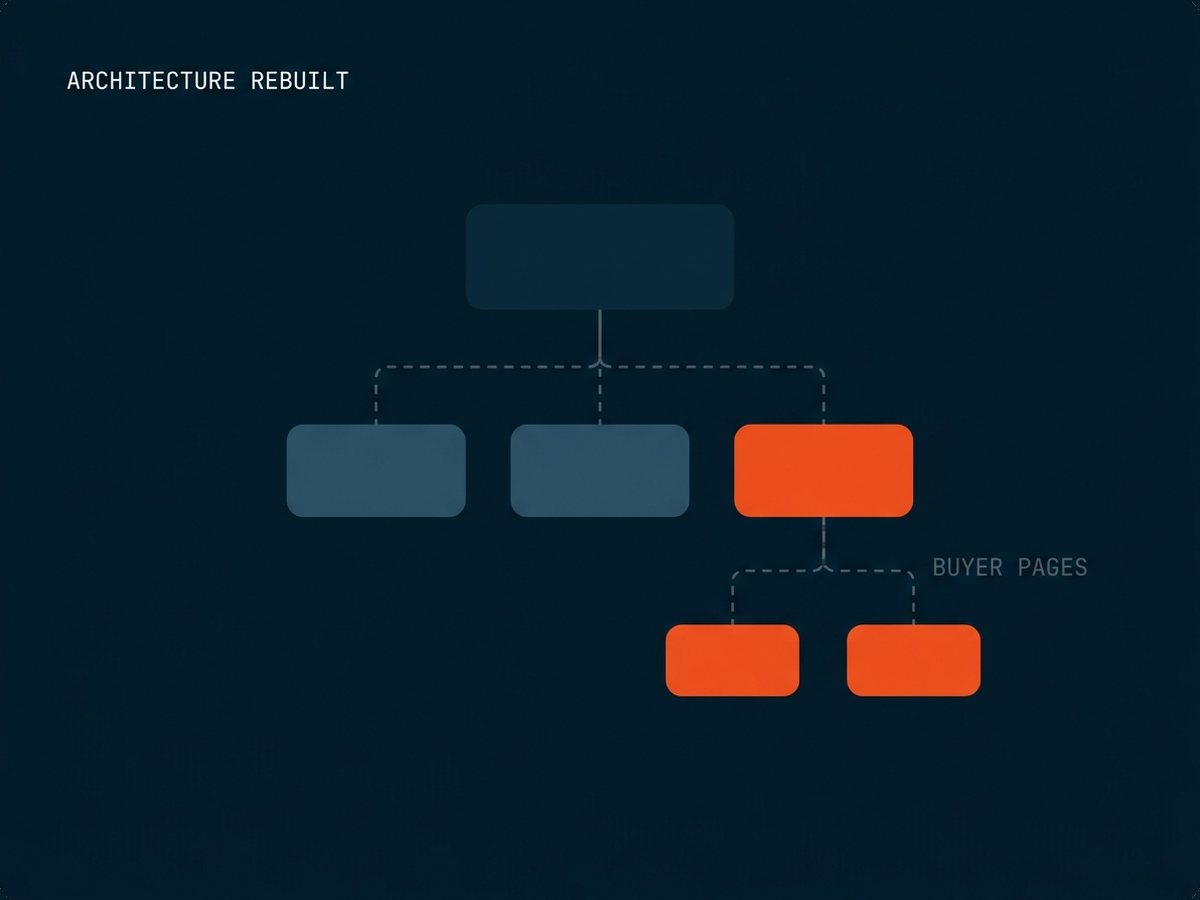
The content plan moved away from developer education and toward the pages that sell, with every technical fix written so Jobsity’s own engineers could ship it.
- Site architecture review and a technical audit written as a deployment plan
- Priority basket of 24 buyer intent keywords with daily rank tracking
- Title, meta, and internal link specs that route existing authority into the commercial pages
- Content briefs written for Jobsity's in house writers
- Recovery pass on the articles already earning impressions from the wrong audience
What We Achieved

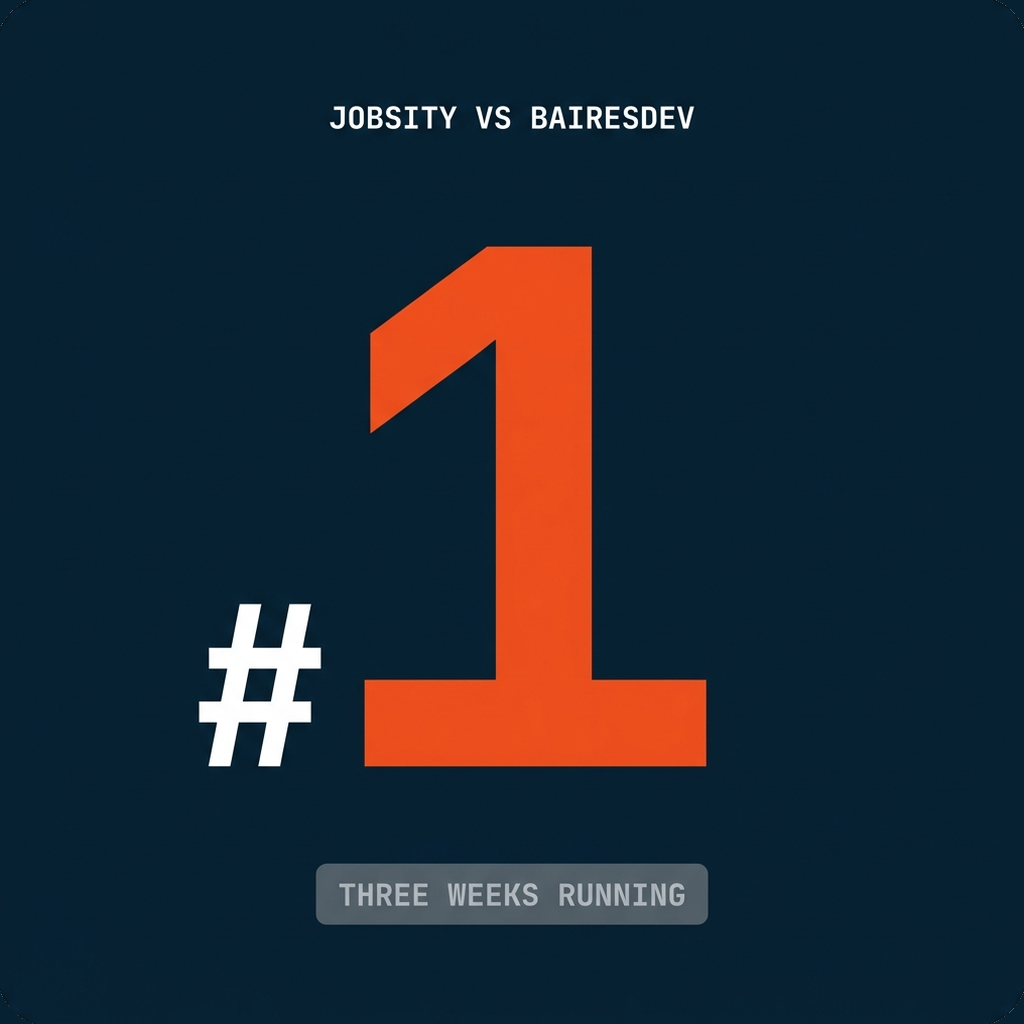
Google’s AI Overviews now cite Jobsity across eight pages, and the brand also surfaces in Google AI Mode and in Gemini. The guide on GitHub project management is one of the sources Google draws from, and the AI answer for the Jobsity versus BairesDev comparison cites the homepage.

July brought Jobsity its first lead that arrived directly from an AI assistant. Referral traffic from ChatGPT had been climbing since May, and the rebuilt tracking made that lead visible instead of dropping it into an unattributed bucket.

The brand comparison page reached the top spot on desktop in three consecutive weeks and holds its citation in the AI Overview for the same query. Three weeks running makes it a pattern rather than a spike, which is the signal that the page is earning real authority.

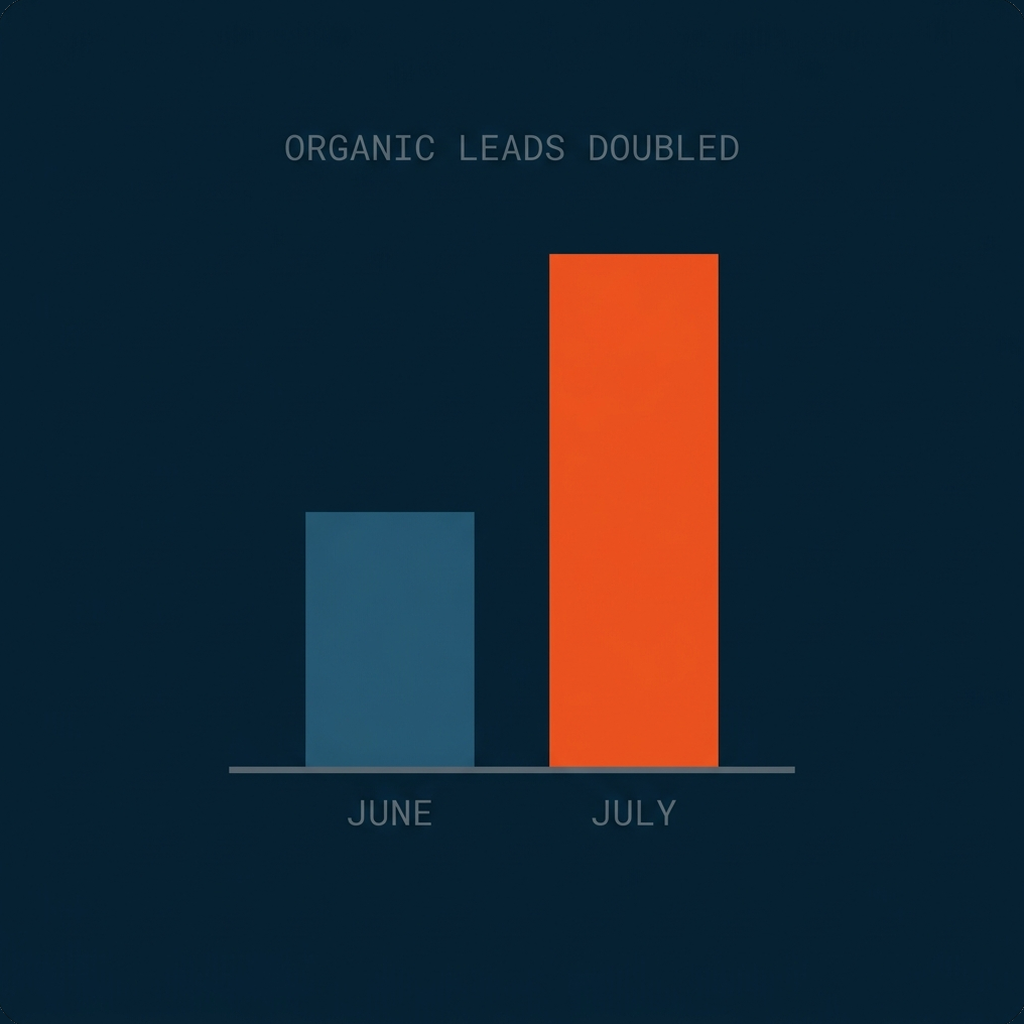
Organic search doubled its lead contribution month over month, from two in June to four in July. The team verified every one in HubSpot after stripping out test records, internal submissions, and duplicates, so the number holds up under scrutiny.

The 54,900 events GA4 reported as conversions hid 394 real leads, a noise to signal ratio of 138 to 1. Clearing them out gave leadership its first honest lead count and locked the baseline the 90 day review runs against.