OfficeSpace Software
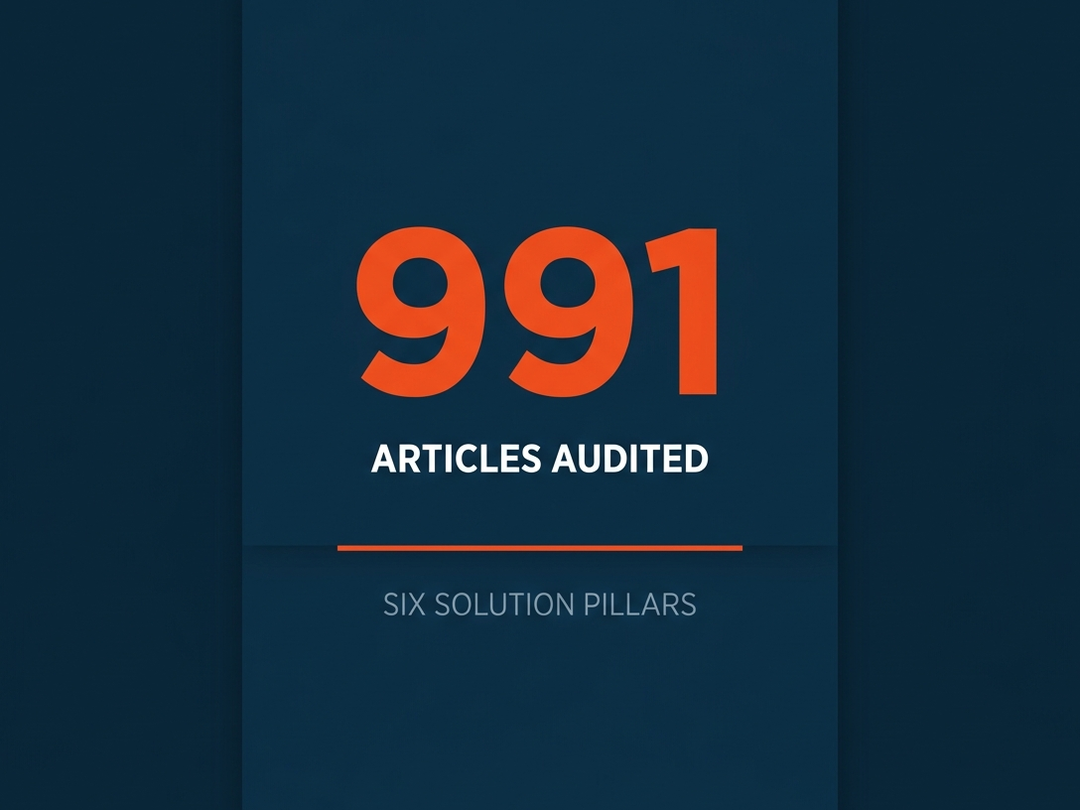
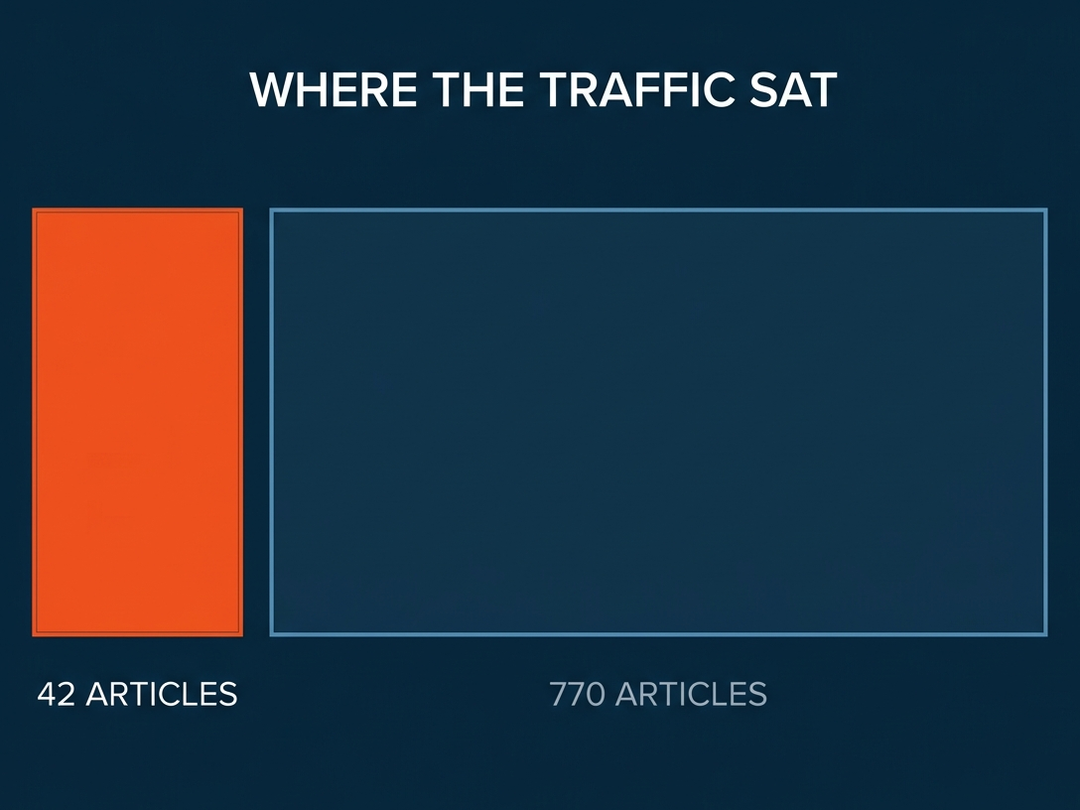
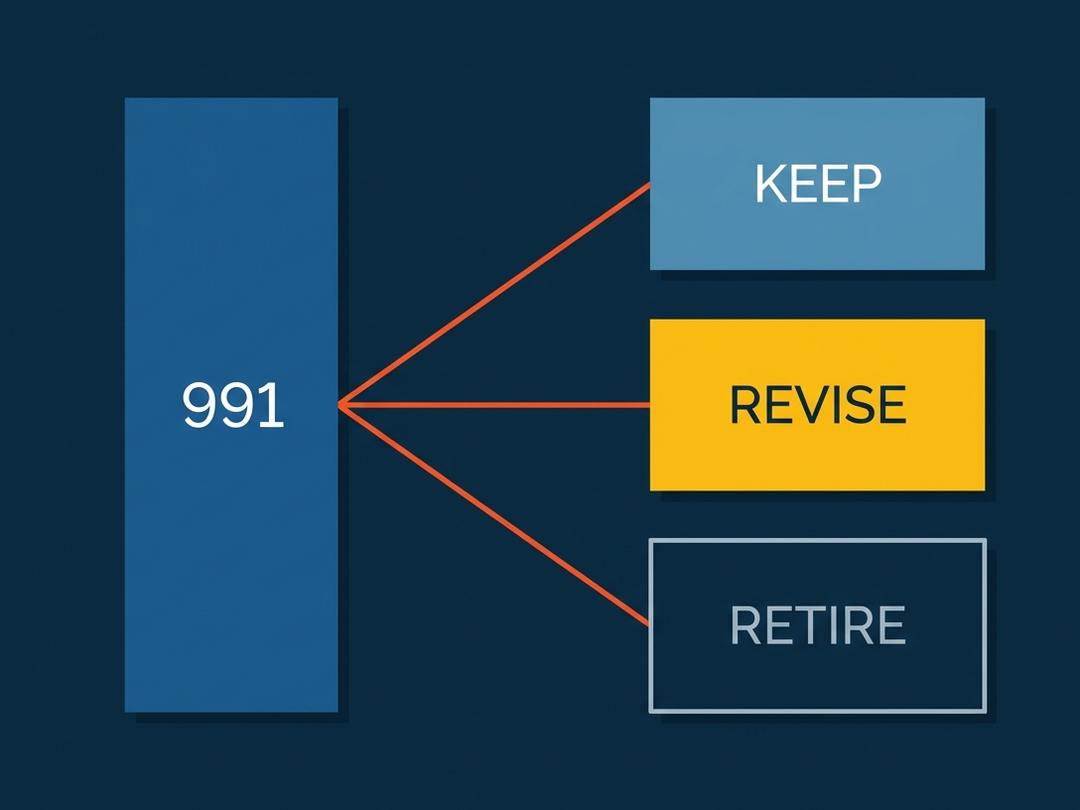
OfficeSpace Software is the AI operating system for the built world, and 2,000 enterprise teams already run 116 million square feet of workspace on it. Twenty years of publishing had built a blog of 991 articles, and the search value had collected in a very small corner of it: 42 articles carried 89% of the organic traffic, while 36 of 812 published articles reached page one. The opportunity was to concentrate the catalog on the six topics OfficeSpace sells against, then win the queries buyers use to shortlist a platform.

OfficeSpace Software gives enterprise workplace teams one platform for desk booking, space planning, asset management, room booking, visitor management, and workplace analytics. Its AI Canvas layer runs on 20 years of proprietary workplace data and a patented space planning model, so the agents forecast demand, plan layouts, and act on both without manual steps. The platform serves 2,000 enterprise teams across more than 50 countries and is backed by Vista Equity Partners and Resurgens Technology Partners.
Services We Provide


Project Summary
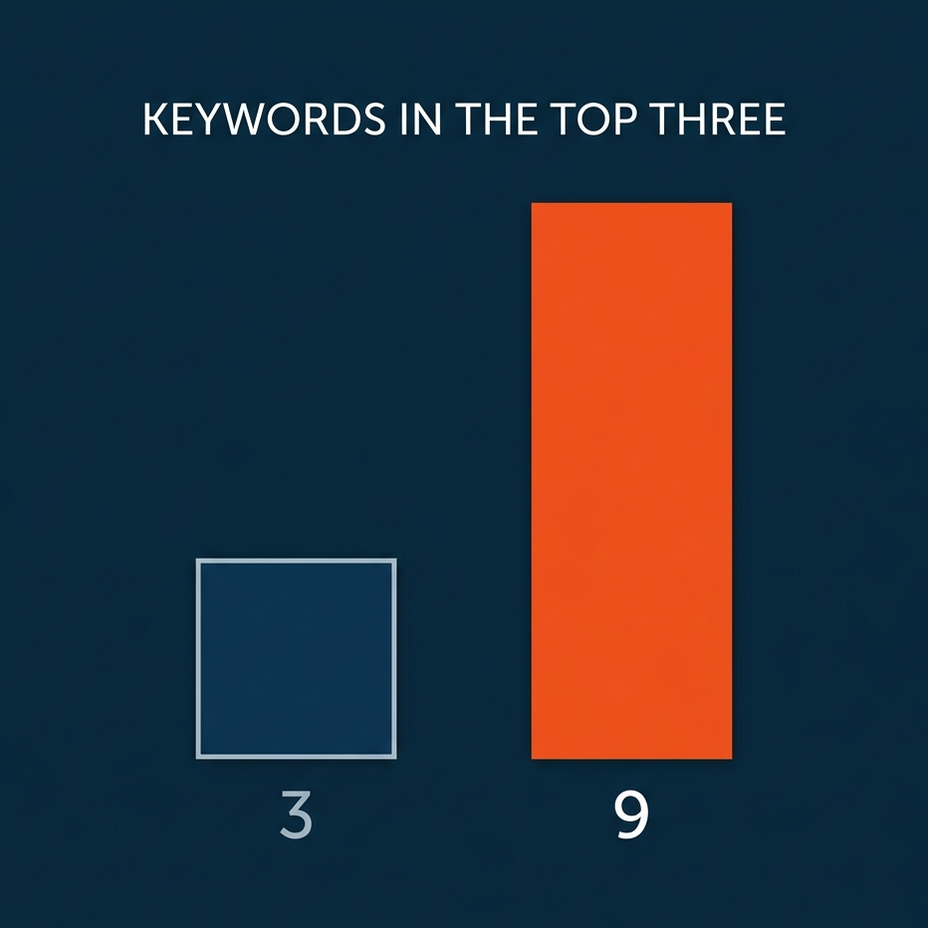
OfficeSpace Software brought in Digital Authority Partners to turn a twenty year publishing archive into a search asset that reaches buyers. Digital Authority Partners audited all 991 articles against the six solution pillars OfficeSpace sells on, mapped the real primary keyword for every URL worth keeping, and began shipping optimizations in monthly batches. The first full execution month tripled the count of top three rankings, from three to nine, and put OfficeSpace at number one for the desk booking evaluation query and for its own comparison against Kadence.
The Challenge
 Concentrated Search Value
 42 Articles Carried 89% of the Organic Traffic
Of 4,445 monthly organic visits across the published catalog, 3,934 arrived at 42 flagship articles. Everything else in the archive drew almost nothing, so the topics OfficeSpace sells on depended on a very thin base of pages.
 Diluted Topical Authority
 Half the Published Catalog Held No Search Value
401 of 812 published articles targeted zero demand keywords, sat outside the six solution pillars, or duplicated stronger pages. Consumer office plant shopping and urban tree rules were competing for crawl attention with space management.
 Missing From the Shortlist
 36 of 812 Articles Reached Page One
The catalog ranked for 866 keywords in total, and the two pillars with the clearest competitor demand were the thinnest on the site: Workplace Analytics had 44 articles and Real Estate Management had 34, against 379 in Workplace Experience.
 Technical Drag
 Page Speed Held Every Ranking Back
Mobile performance scored 41 and desktop 62, with roughly 64% of URLs needing work on LCP, CLS, and total blocking time. Slow server response affected 1,285 URLs, and 311 pages carried a single internal link, so authority never reached them.
How We Helped OfficeSpace Software
Full Catalog Content Audit
Digital Authority Partners scored every article on the site against the six solution pillars OfficeSpace named at intake, then set a decision for each URL that the OfficeSpace team could review row by row.
- 991 articles audited, covering published posts, drafts, and private posts
- Every URL scored against Space Management, Workplace Analytics, Hybrid Work, Facility Management, Workplace Experience, and Real Estate Management
- Live search visibility pulled per article from OfficeSpace GA4 and Google Search Console
- Real primary keyword researched for each URL worth keeping
- Five companion documents so every per article decision was visible and reversible
Article Optimization in Monthly Batches
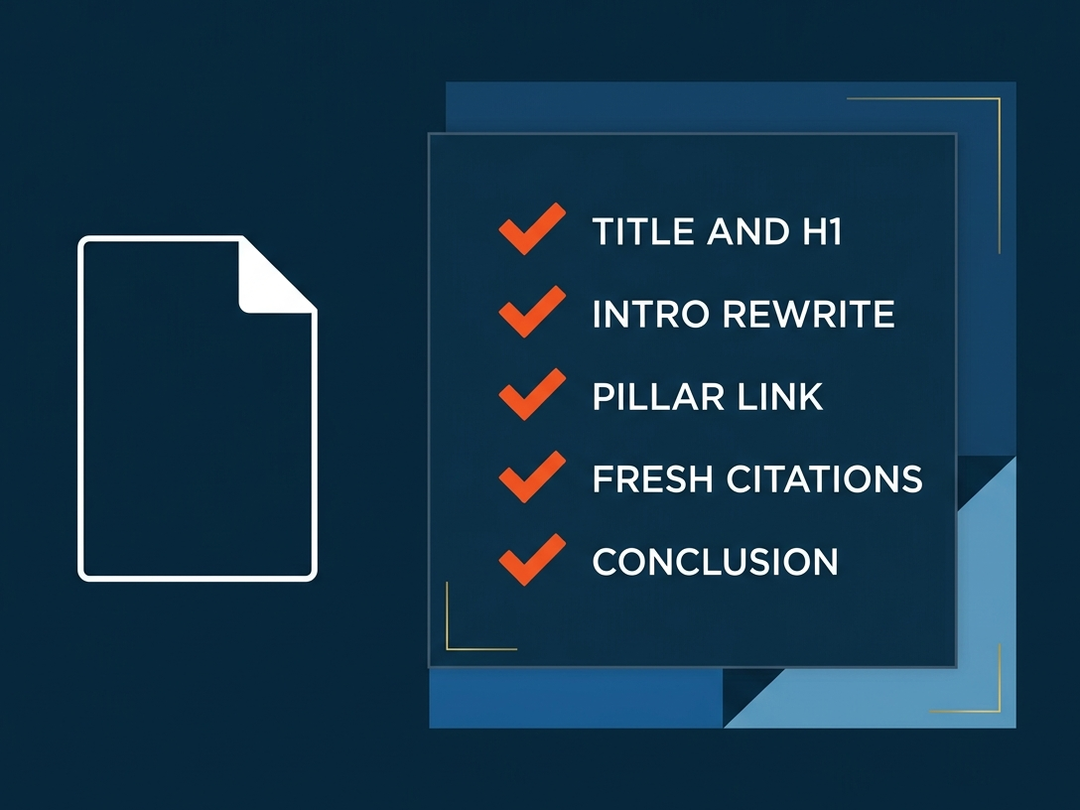
The work shipped in monthly batches so each release could be measured on its own target queries before the next one went out.
- Title and H1 rewritten to lead with the researched primary keyword
- Introduction rewritten to name the keyword inside the first 50 words
- Pillar link and conversion path inserted on every optimized page
- Dead host citations replaced and conclusions added where missing
- Supporting outlines handed to the OfficeSpace writing team each month
Competitor Comparison Pages
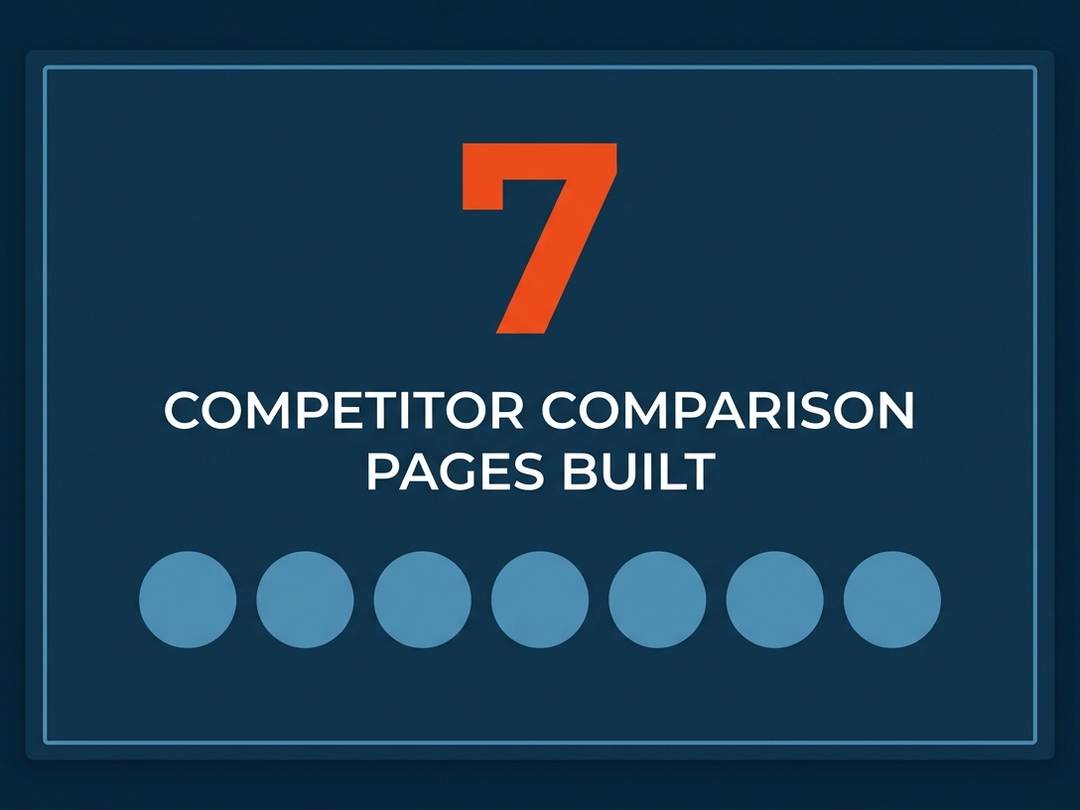
Enterprise workplace buyers shortlist by comparison, so Digital Authority Partners built OfficeSpace pages to own the comparison queries competitors were bidding on.
- Comparison pages reviewed and rebuilt against Envoy, Kadence, Archie, Deskbird, Robin, Skedda, and Eptura
- Query set built from the language buyers use to name each competitor
- Positioning held to the platform argument OfficeSpace wins on against point solutions
- Every page tracked weekly on desktop and mobile so movement was verifiable
- Rank tracker widened to 65 keywords across the pillar and comparison sets
Technical SEO and Redirect QA
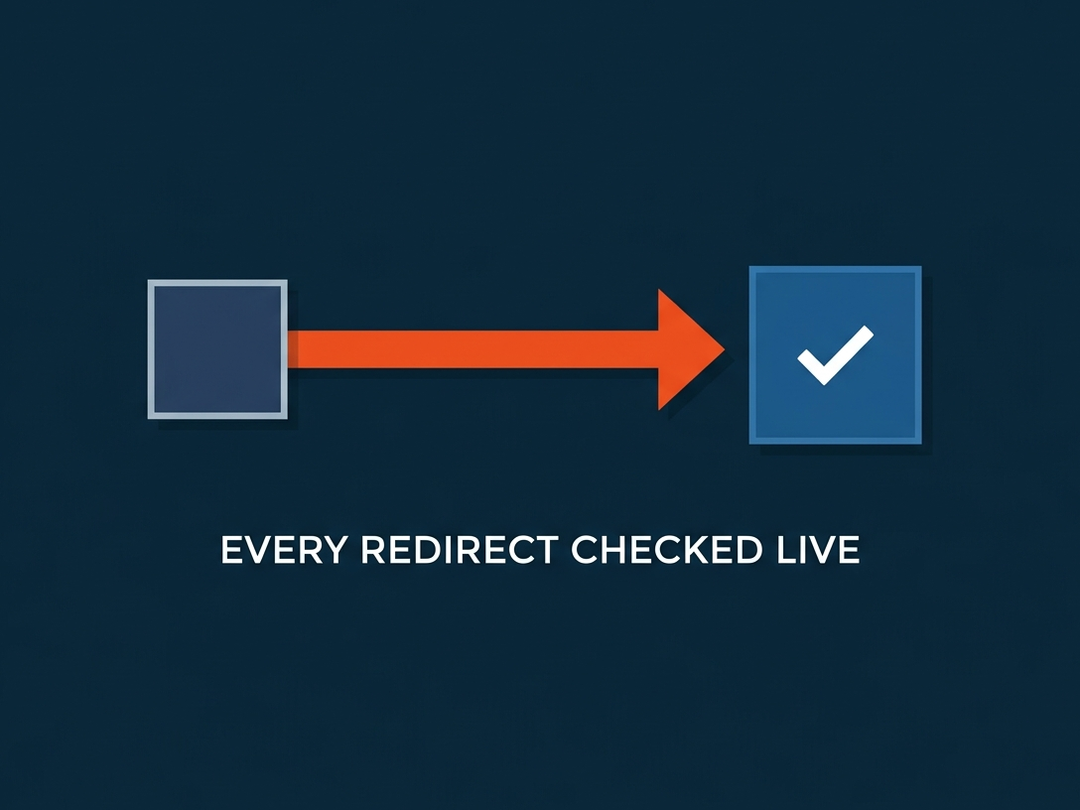
The cleanup only pays off if the equity lands where it was meant to, so every redirect was checked live against its planned destination and reported back with a verdict.
- Technical audit delivered as a priority plan the OfficeSpace web team could execute
- Redirect plan mapping each retired URL to its cluster destination
- Live HTTP verification of every deployed redirect, with the resolved URL and status code recorded
- Sitewide internal link and dead link sweep to repair links broken by the cleanup
- Cannibalization audit and internal linking audit to consolidate competing pages
What We Achieved

Across the 65 keyword tracking set, the count of terms holding a top three position went from three to nine inside the first full execution month. Every one of those gains traced back to a page shipped that month, which is the signal that the optimization method works on this catalog.

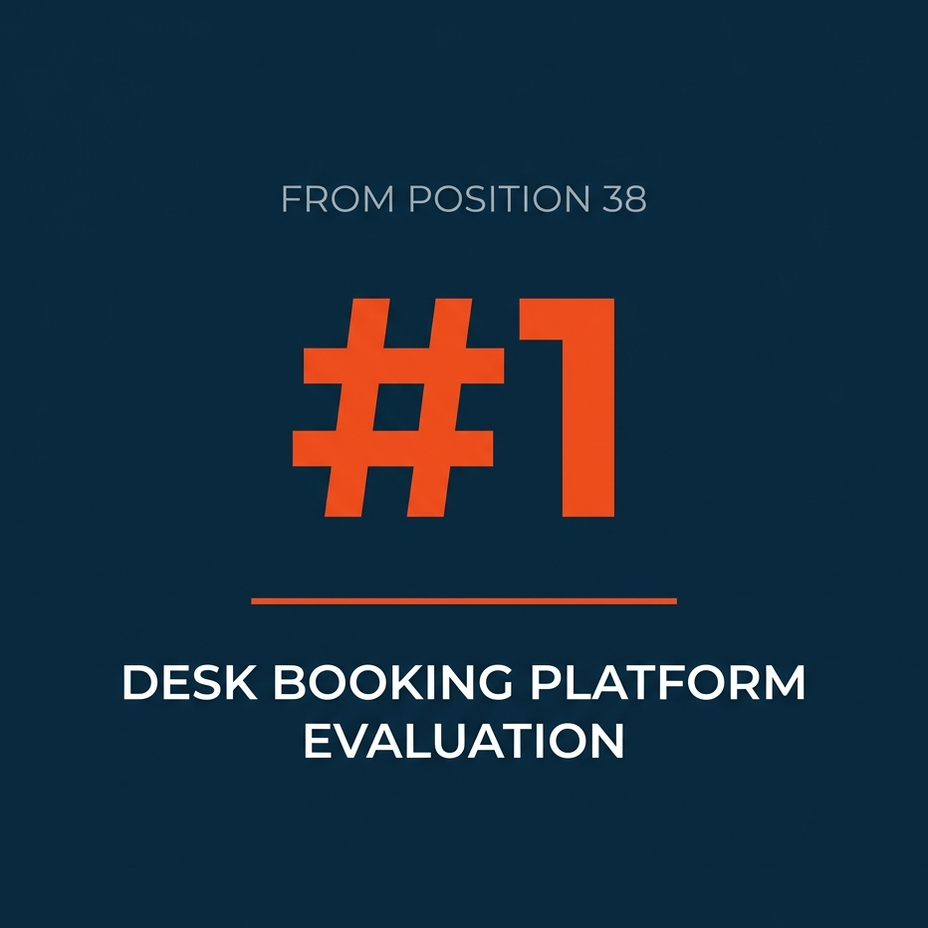
The enterprise desk booking evaluation query moved from position 38 to position one in a single month. This is the query a workplace lead runs while building a shortlist, so owning the top spot puts OfficeSpace in the evaluation before the vendor conversations begin.

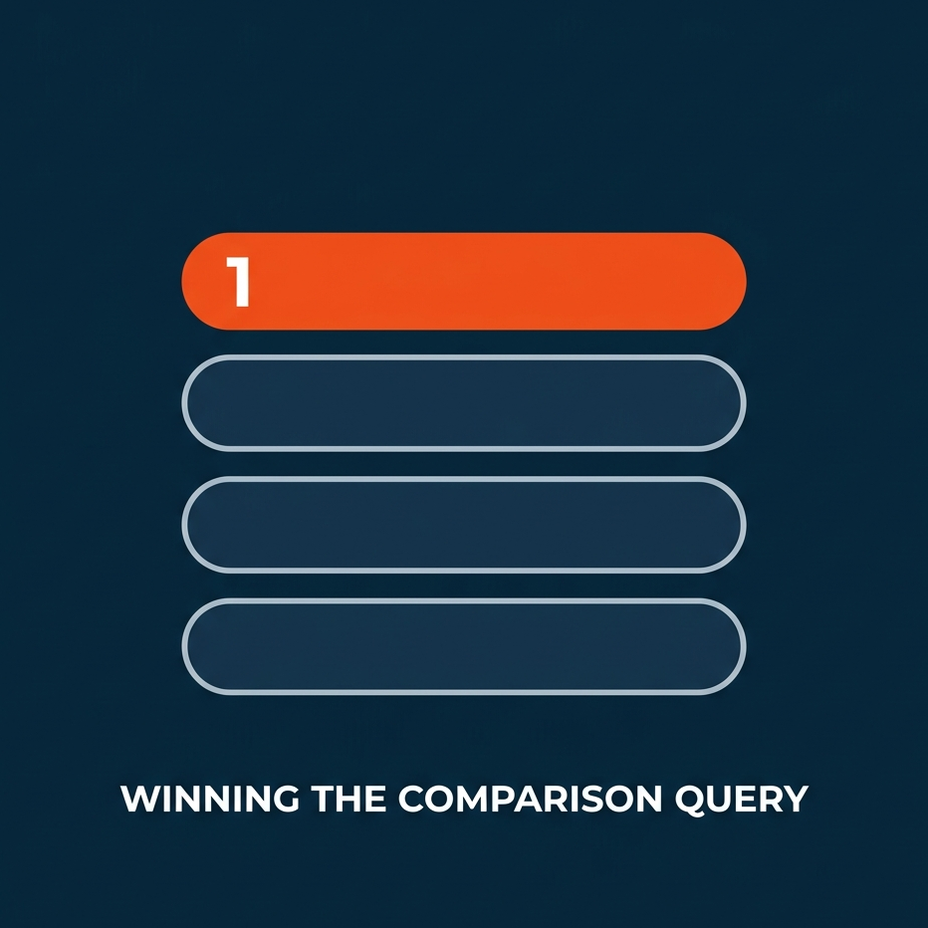
Kadence had been targeting OfficeSpace keywords and undercutting desk booking led evaluations with a freemium offer. The rebuilt comparison page took position one for the head to head query from a standing start, so the buyer comparing the two now reads the OfficeSpace platform argument first.

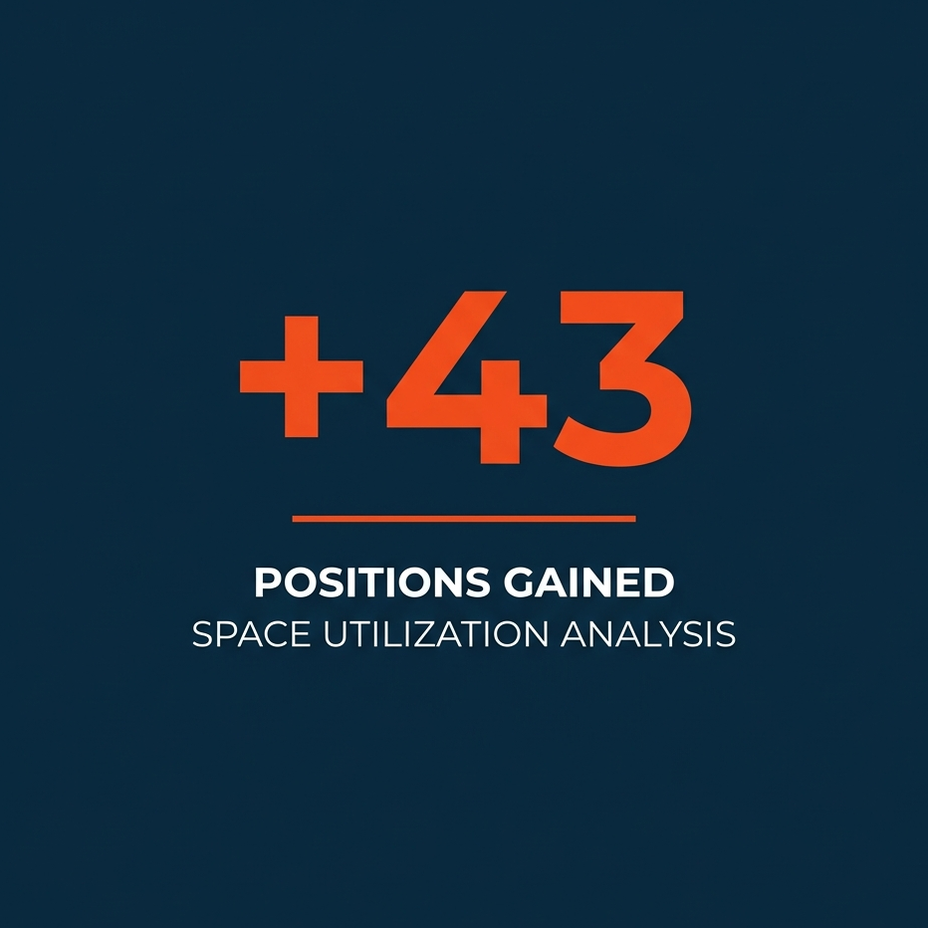
The space utilization analysis article climbed from position 52 to position nine, and the office floor plan design guide went from position 10 to position one. Space optimization arrived at position one from unranked and still held the top spot when the ranking was checked again on 28 August, three months later.

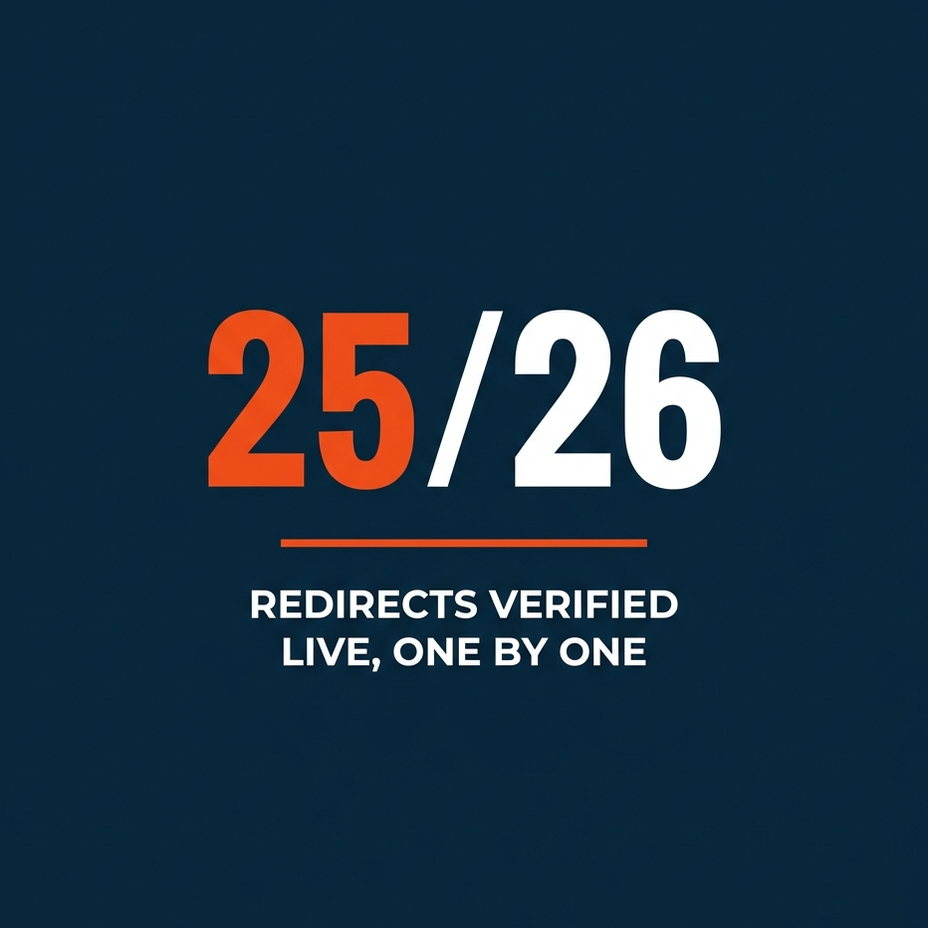
The first batch of high equity retirements was checked one URL at a time with a live HTTP fetch, and 25 of 26 resolved to the destination the plan named. The single exception was traced to a CMS level override and handed back with the evidence, so no article was retired on the assumption that its authority had landed somewhere useful.