Forman & Associates
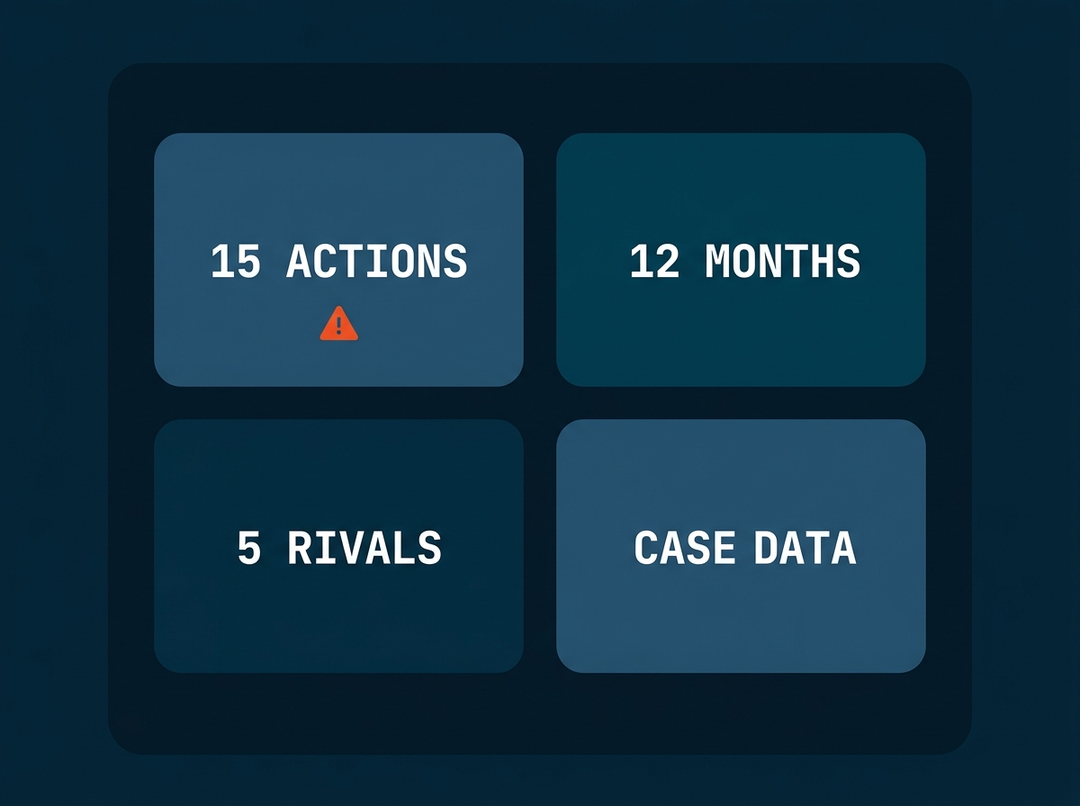
Forman & Associates reaches 626,000 subscribers on YouTube and another 220,000 followers across X and TikTok. Its Google Ads account treated fifteen different actions as an enquiry, counting a new YouTube subscriber the same way it counted somebody asking for a free consultation. The firm was paying for searches it could not take work from, and nothing showed which searches turned into real clients.
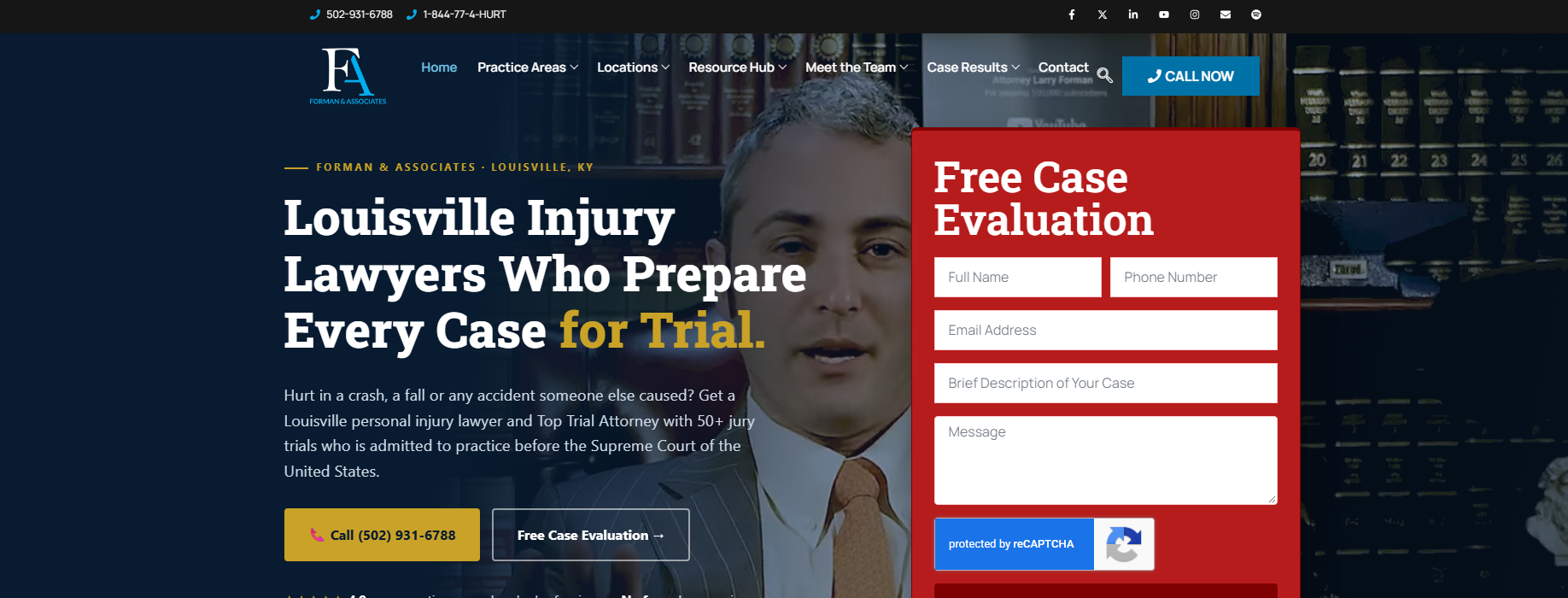
Forman & Associates is a Louisville personal injury firm founded in 2013 by Larry Forman, a Supreme Court of the United States licensed attorney who tries his own cases. The firm works out of The Forman Building on South Fourth Street and charges a 30% contingency fee on motor vehicle cases where most Kentucky firms charge 33.33% or more. It has served more than 2,500 clients and holds a 4.9 average client rating.


Project Summary
Forman & Associates came to us with an advertising account nobody could read. We went through twelve months of history, cut fifteen counted actions down to three, repaired the consultation form that had stopped reporting, and launched three campaigns built on 169 chosen searches. Within two weeks nearly one in five clicks on the premises liability ad turned into an enquiry, and Clio sent its first confirmed case back into Google Ads, giving the firm a line from a signed client back to the search that found them.
The Challenge
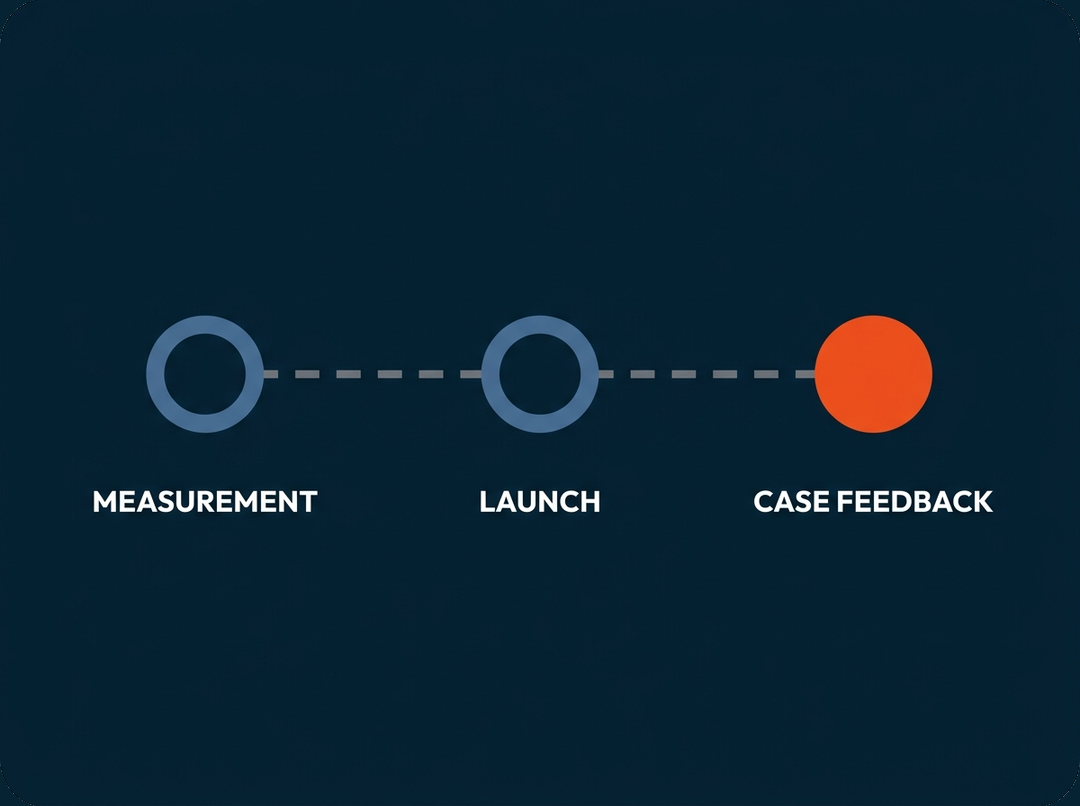
 Measurement
Fifteen Things Counted As A Lead
The account gave equal credit to fifteen different actions, from a YouTube subscription to a request for driving directions. The form people use to ask for a free consultation had stopped reporting altogether, and the rule behind it fired the moment somebody started typing rather than the moment they pressed send. Every number the firm had been shown described something other than a person asking for help.
 Delivery
A Year Of Advertising With No Calls
A video campaign had run for a full year and brought in nothing. Ads were showing on other companies' websites and inside apps rather than on Google search results, tablets had absorbed budget for one enquiry, and five holes in the exclusion list let through searches the firm had no interest in.
 Competition
An Auction Owned By National Firms
Morgan & Morgan, Isaacs & Isaacs, Hughes & Coleman, Sam Aguiar and Kaufman & Stigger all bid on the same Louisville injury searches, at a scale this firm does not try to match. Outspending them was never the plan. The account had to win narrow, on the case types Larry wants to sign.
 Case Data
Case Outcomes Stayed Locked In Clio
The account could count phone calls. It could not tell which of those calls became a client. Clio held that record, and none of it travelled back to Google, so the firm had no way to put more money behind the searches that produce work.
How We Helped Forman & Associates
Fix The Measurement Before Anything Spends
We repaired the reporting the firm had been missing, then made it identify real people.
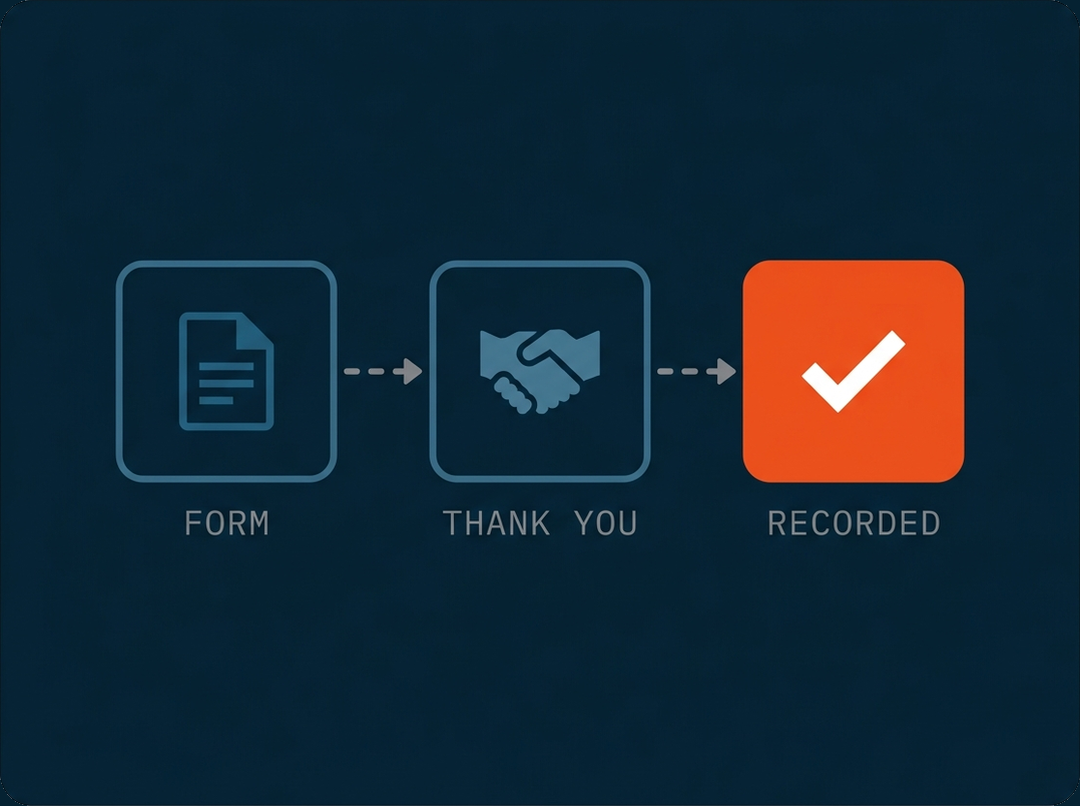
- Found that the free consultation form had stopped reporting, and that the rule behind it fired when somebody began typing rather than when they pressed send
- Rebuilt it to report on a dedicated thank-you page, and pointed every form on the site to that page
- Kept the account's original record rather than starting a fresh one, so a year of history stayed intact and Google's bidding never had to relearn the account
- Loaded Google's tracking on every page rather than only once a page finished loading, so nothing slips through on a slow connection
- Matched each enquiry back to the person who sent it, holding their details in their own browser for a moment and keeping them out of web addresses, reports and server records
Strip The Account Back To Work The Firm Wants
We went through twelve months of history and switched off everything taking credit without bringing in calls.
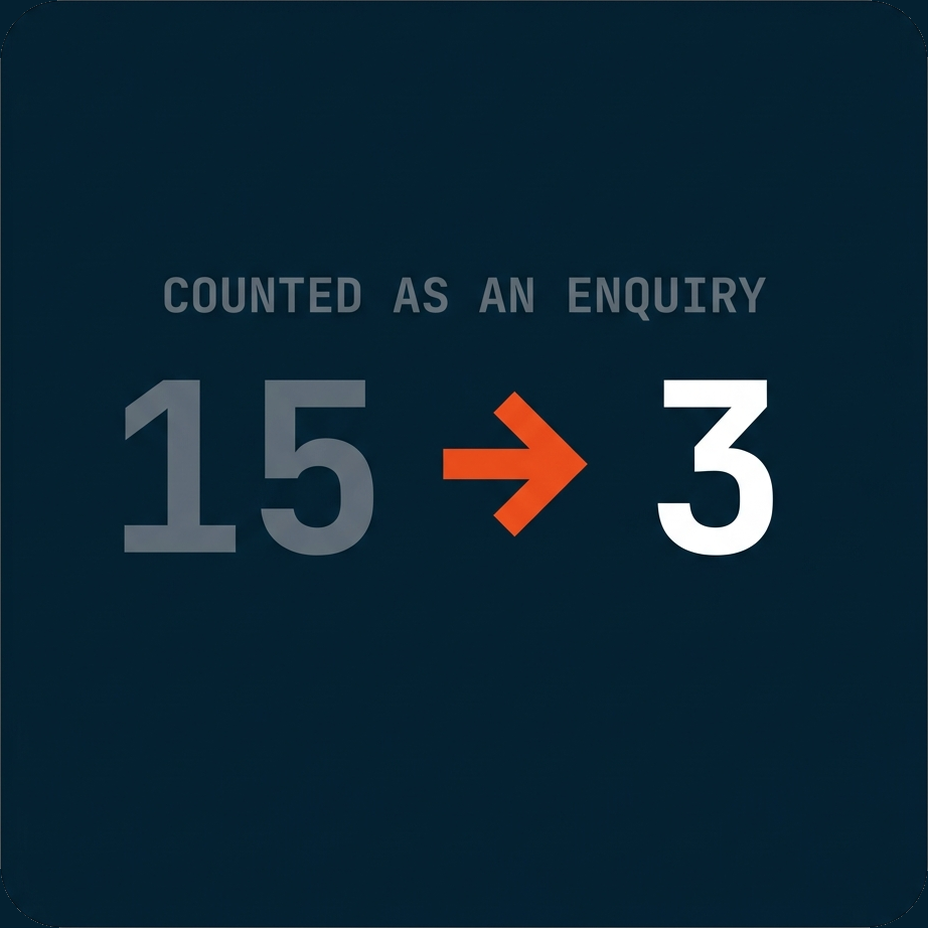
- Cut fifteen counted actions down to three: a call placed from the ad, a call to either number on the site, and the free consultation form
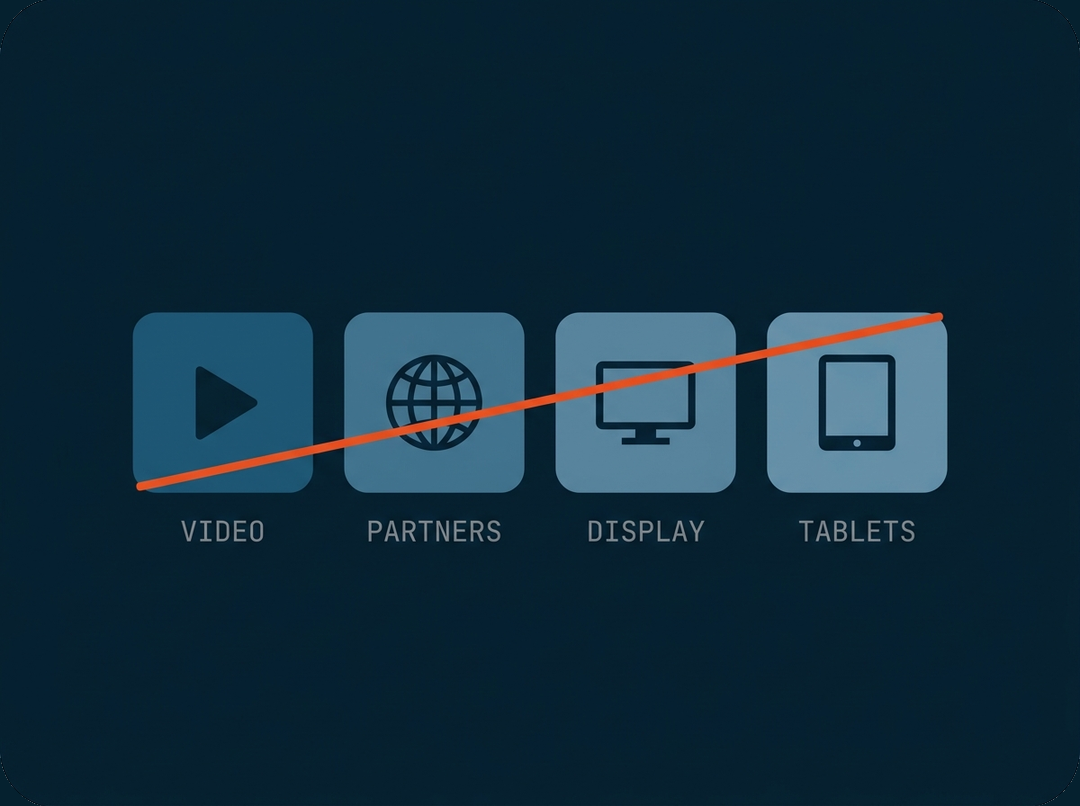
- Stopped the video campaign
- Took the ads off other companies' websites and out of apps, and cut tablet bids by 90%
- Blocked 27 phrases at launch, covering criminal and DUI work the firm does not advertise, job hunters, students and searches from other states
- Built the DUI block around whole phrases rather than the single word, so somebody hit by a drunk driver still finds the firm
Build For Intent Rather Than Reach
Three campaigns, each with one job, aimed at the case types the firm wants to sign.
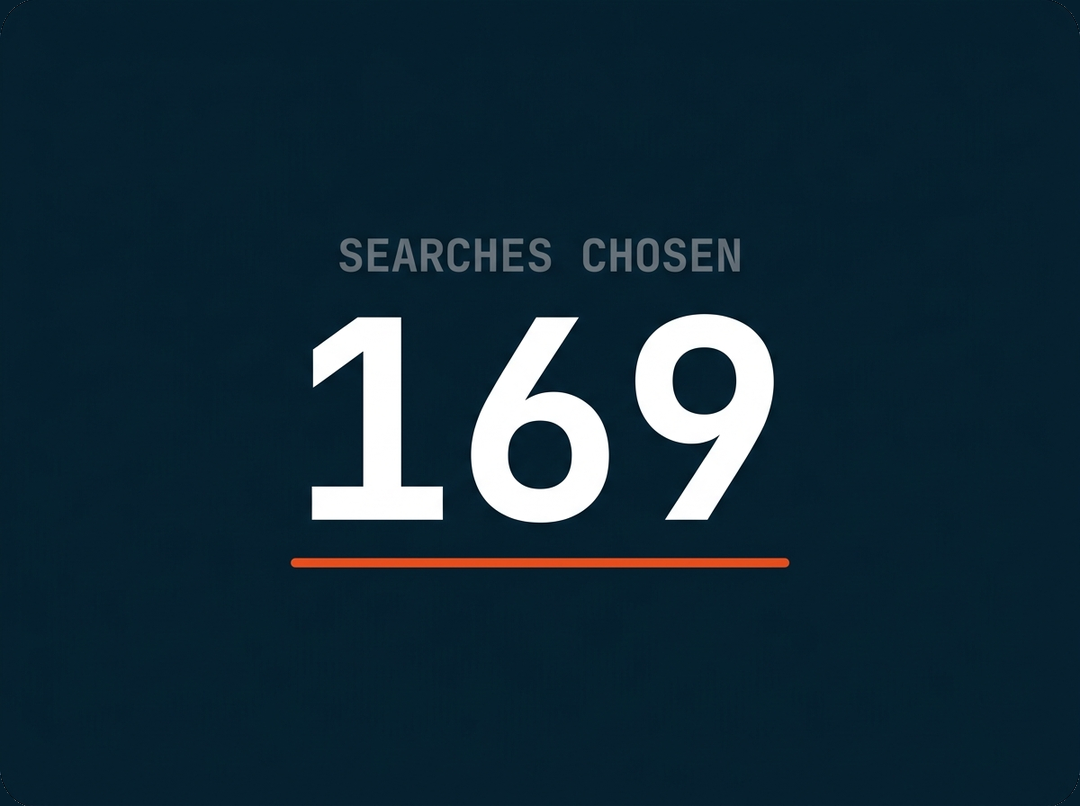
- Chose 169 searches to bid on and split them across three campaigns: slip and fall and premises liability, the main injury case types, and the firm's own name
- Bid only on close matches to those searches, never on loose ones, so the account never pays for a search nobody checked first
- Wrote seven ads, each carrying 15 headlines and 4 descriptions for Google to combine
- Aimed at Louisville, Lexington, Covington and Bowling Green plus fifty miles around Louisville, and only at people physically in those places rather than people reading about them
- Sent every ad to the page that matches it, and checked all six pages loaded clean before launch
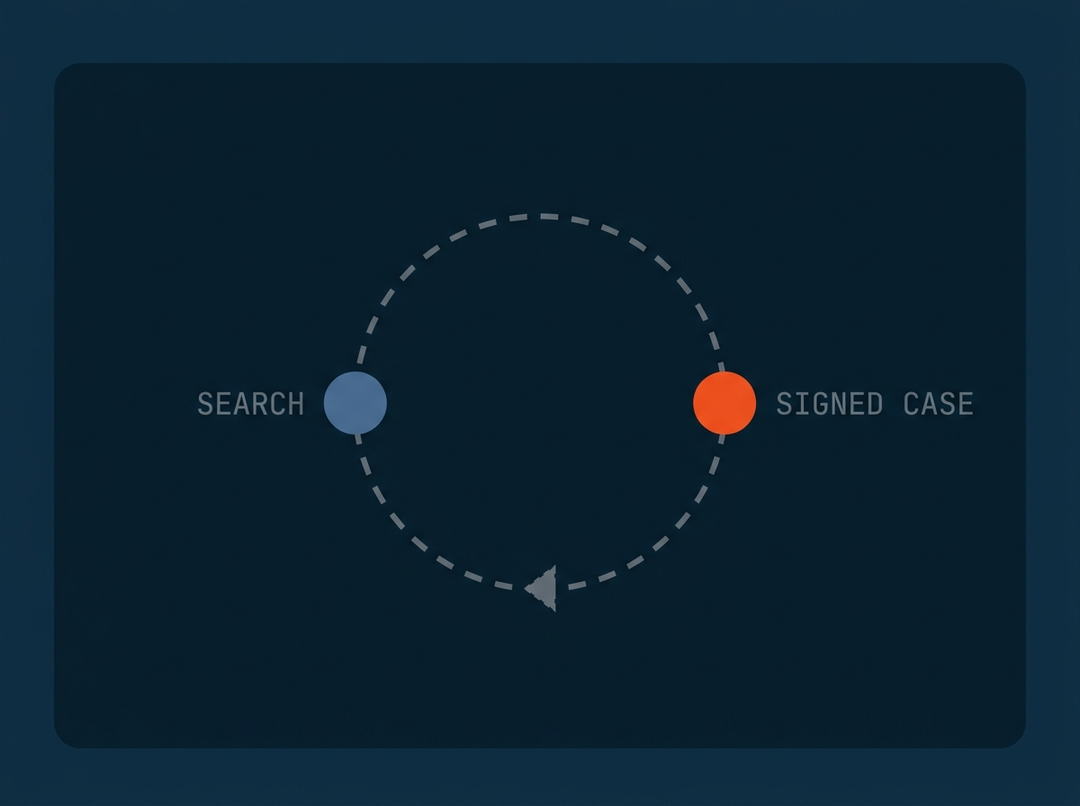
Connect The Click To The Signed Case
We built the path that tells the firm which searches produce clients.
- Scoped the Clio link on a dedicated call and walked the firm through the setup
- Added a field in Clio that carries the original click along with the matter, so a signed case points back to the search that started it
- Sent the first confirmed case back into Google as proof of quality rather than volume
- Read every search that triggered an ad, every day from launch, and sent each proposed exclusion to the firm before blocking anything
- Built a list of everyone who visited the site in the last 90 days, leaving out anyone who had already made contact
What We Achieved

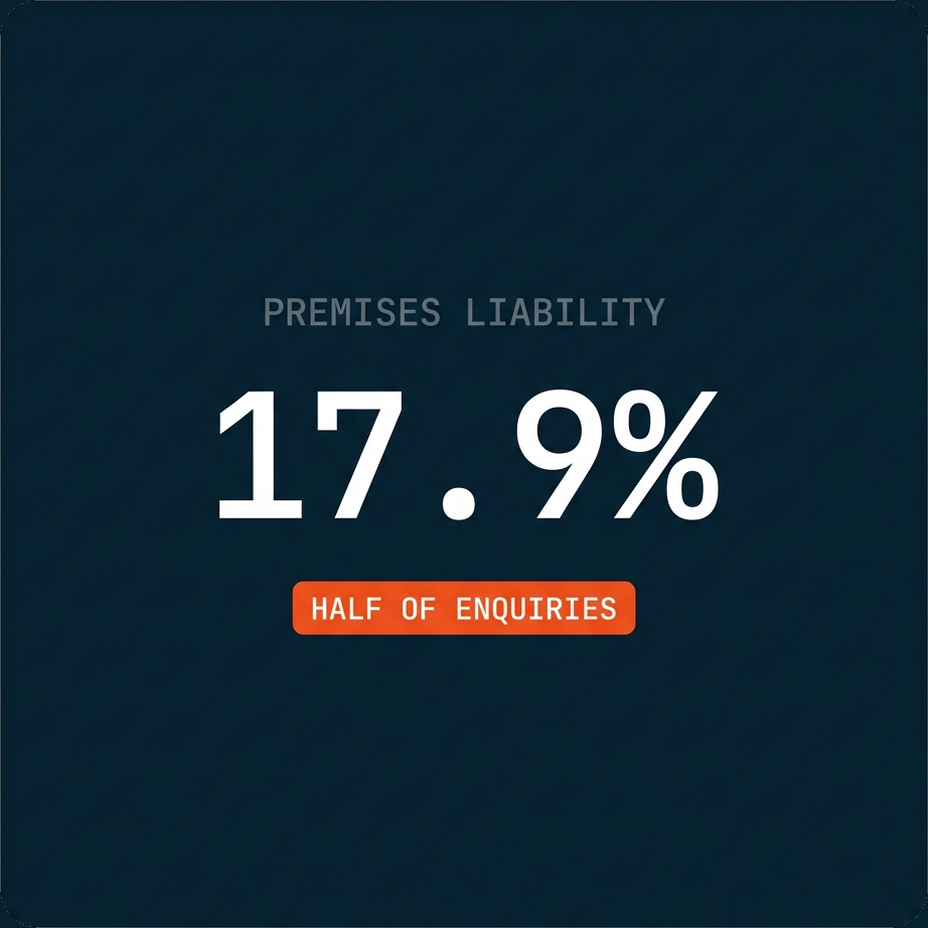
Nearly one in five people who clicked the premises liability ad got in touch, inside the first fourteen days. Google rates that ad group 7 out of 10 for how well the search, the ad and the page fit together. One ad group produced half of every enquiry the campaigns brought in.

The account had spread credit across fifteen separate actions. Three remain, each one a person making contact: two routes to a phone call, and the consultation form. The firm agreed all three in writing before a single ad ran.

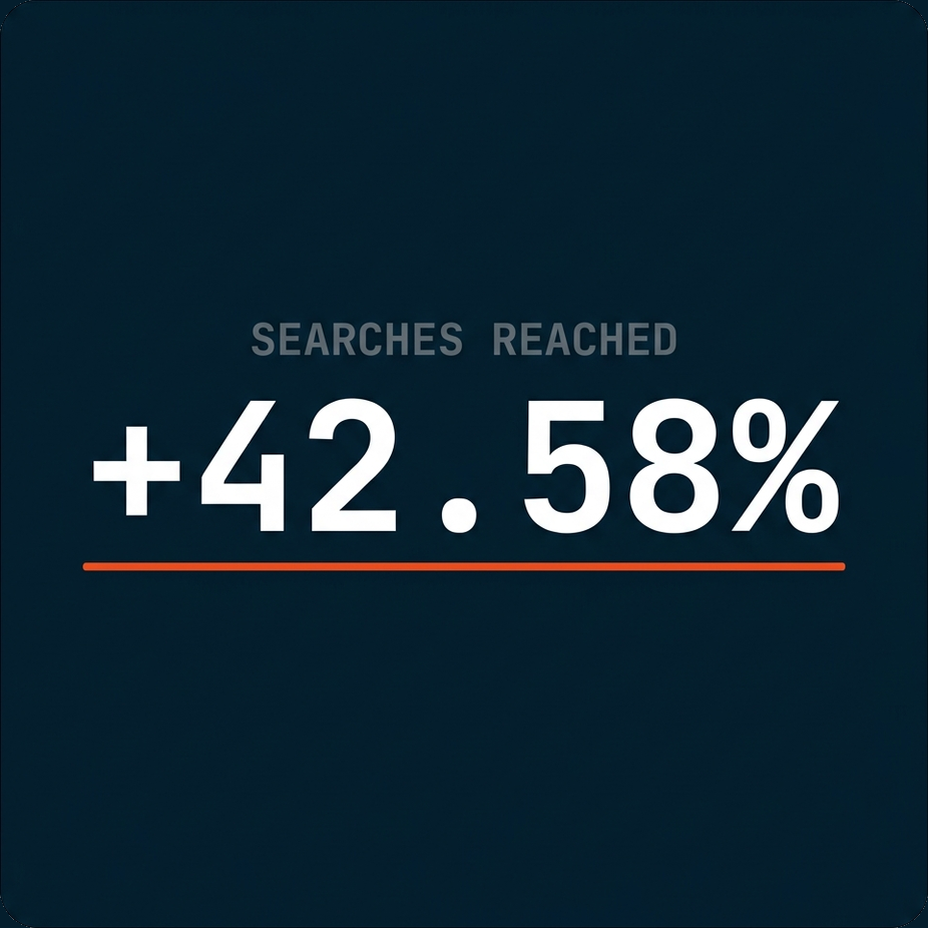
In the first full week after launch the ads showed up for 37.65% of relevant searches, up from 26.41%. The share missed because a rival outranked them fell 40.93%, and 8.06% of people who saw an ad clicked it, a fifth more than the week before.

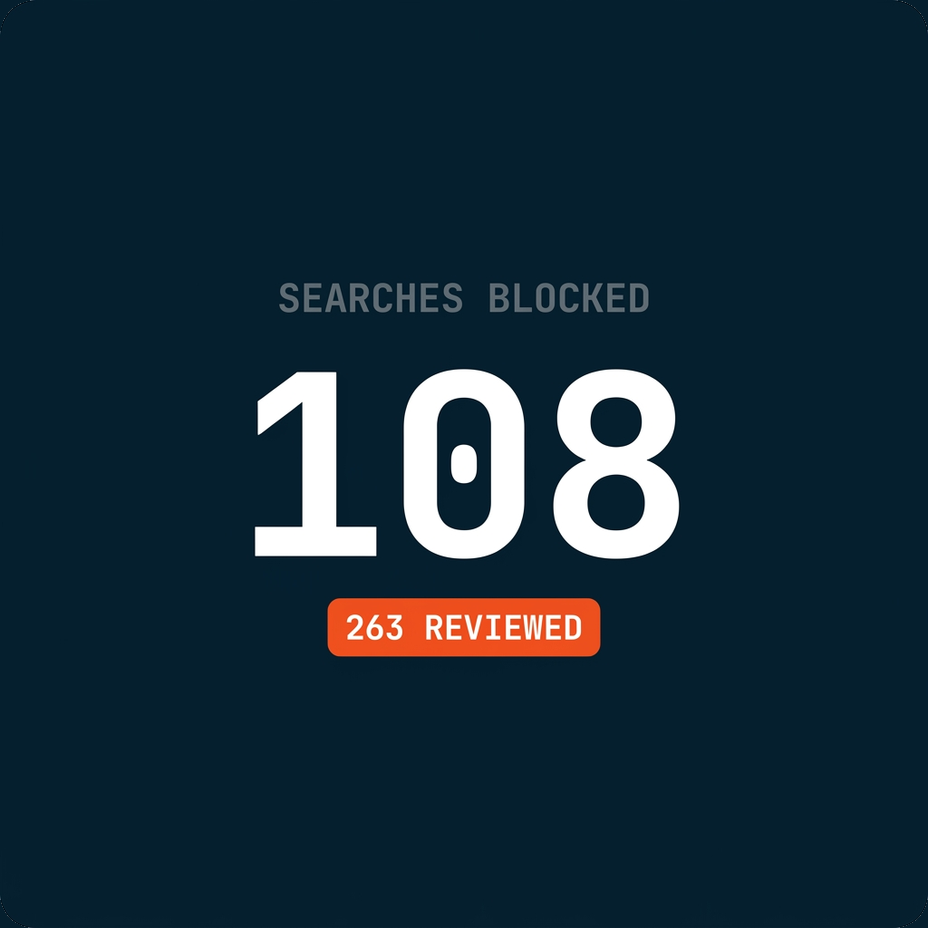
Somebody reads every search that triggers an ad, every day. In the first month 263 different searches came through, 108 now sit blocked, and 23 earned a place in the account of their own.

Case records now travel from Clio back into Google. August produced the first one, and the firm can finally separate a search that brings a client from a search that brings a phone call.