Williamsburg Therapy Group
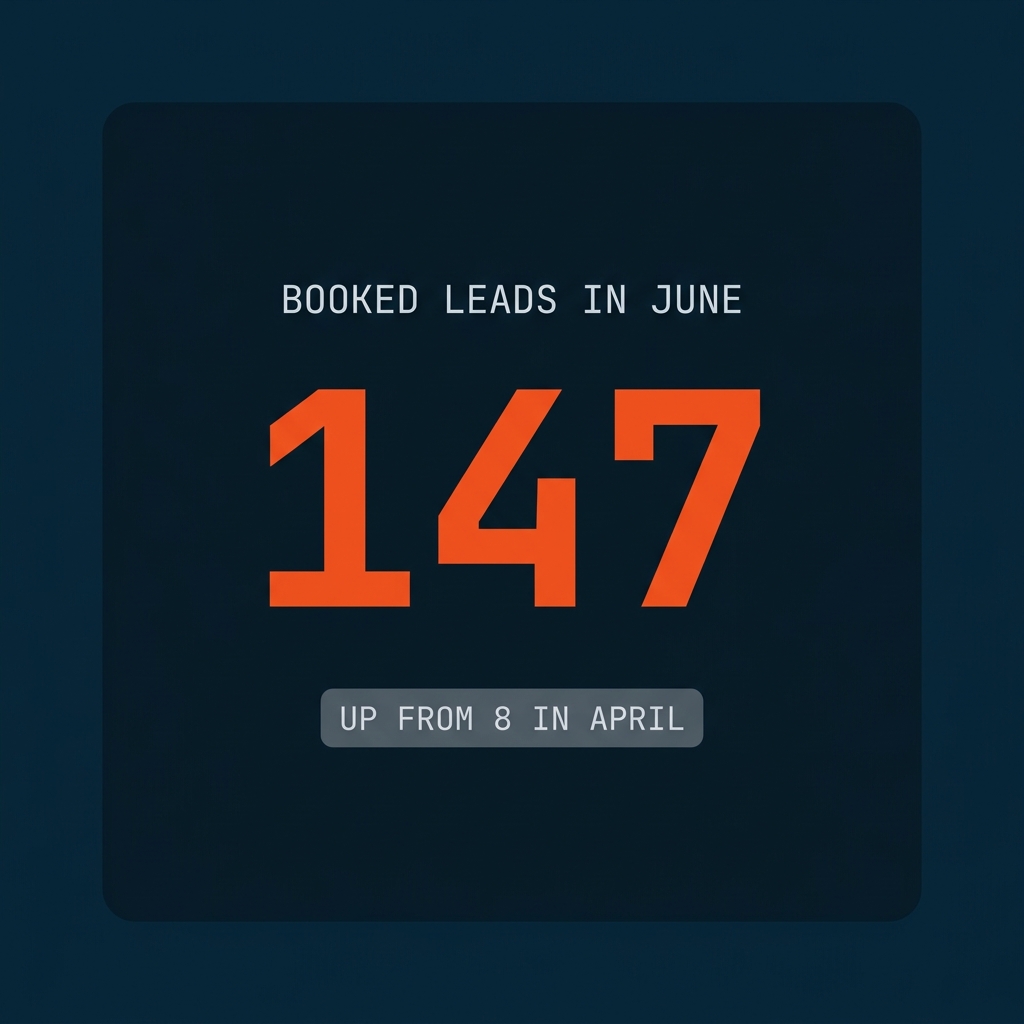
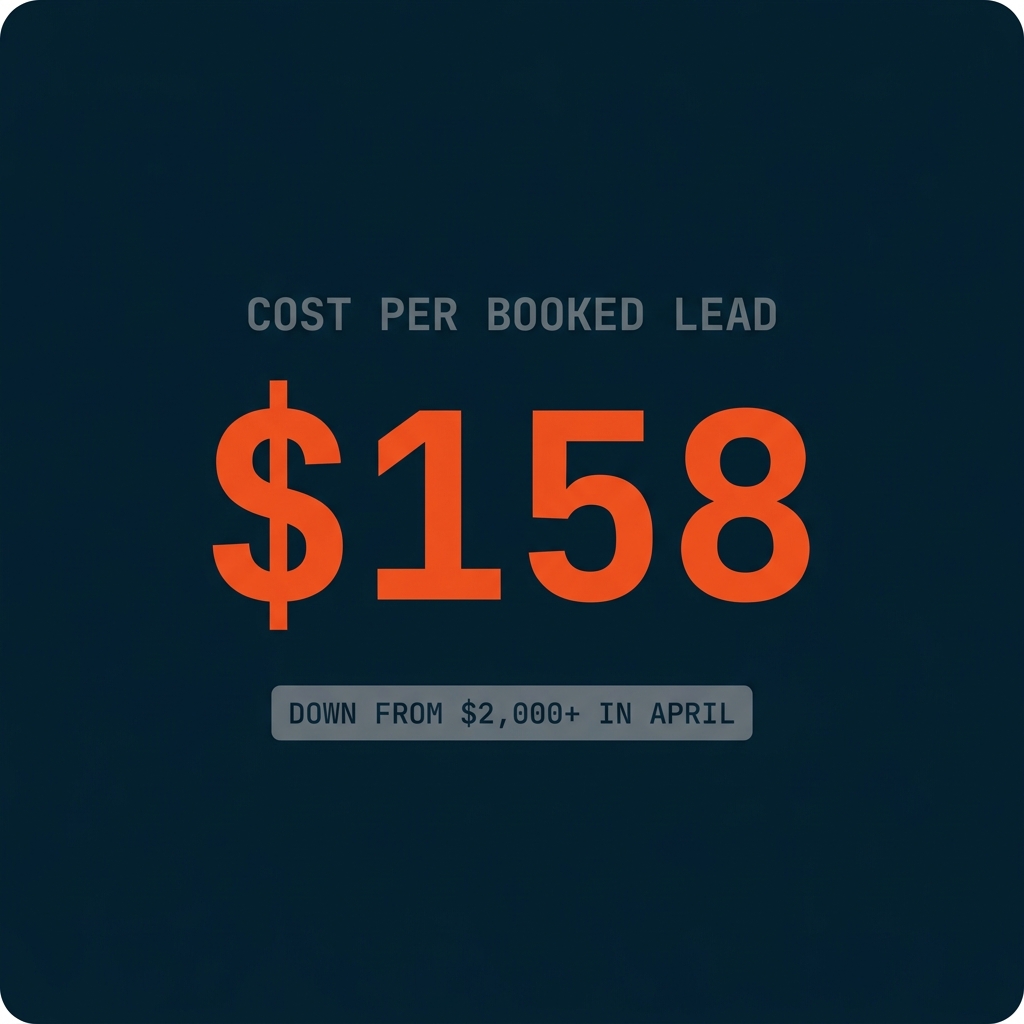
Williamsburg Therapy Group inherited a Google Ads account that spent heavily and returned little. Digital Authority Partners rebuilt it from the ground up in a single quarter, adding real conversion tracking, a cleaner campaign structure, sharper ads, and dedicated landing pages. Booked leads climbed from 8 in April to 147 in June, while the cost to win each one fell from more than $2,000 to about $158.
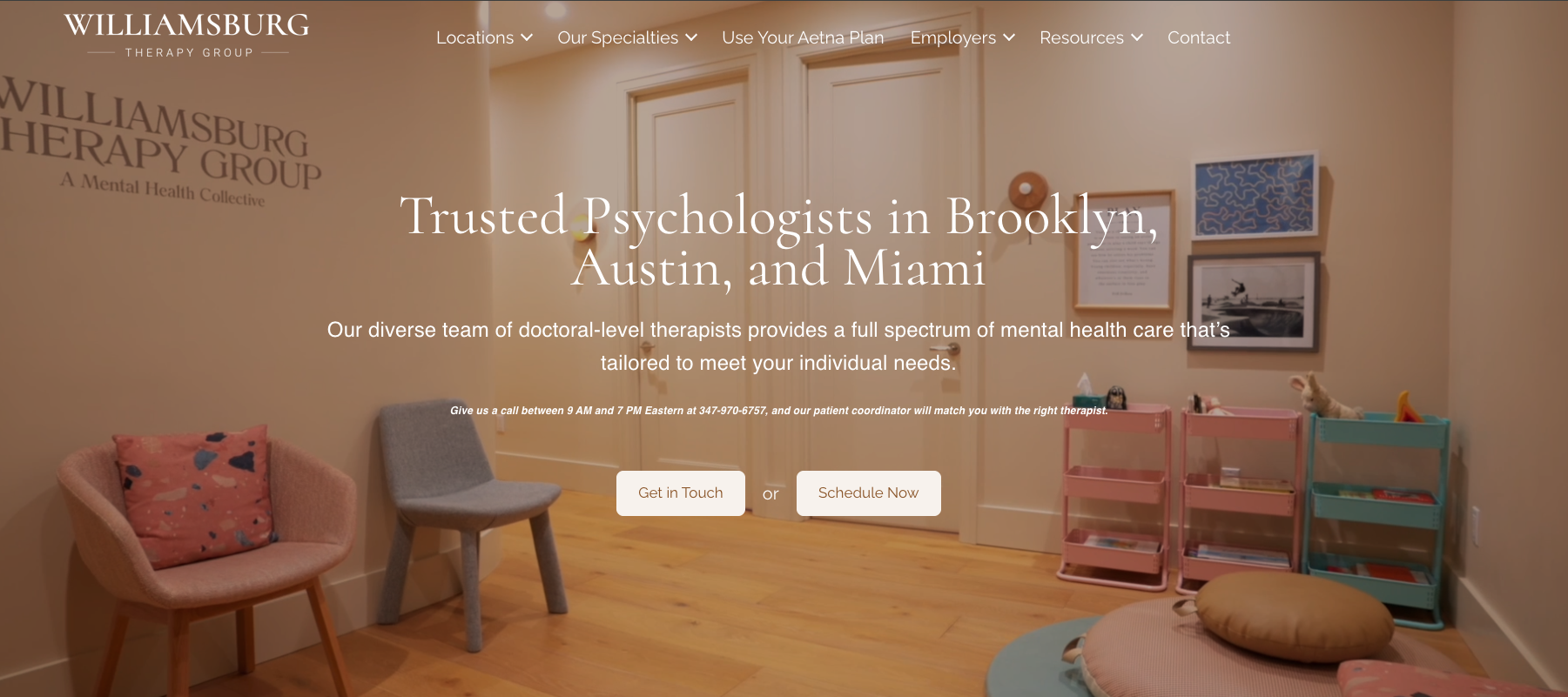

Williamsburg Therapy Group is a premium mental health practice founded by Dr. Daniel Selling. Its doctoral-level psychologists and psychiatrists serve patients in Brooklyn, Austin, and Miami, plus telehealth nationwide.
How We Helped Williamsburg Therapy Group


Project Summary
Williamsburg Therapy Group partnered with Digital Authority Partners to turn an underperforming paid search account into a reliable source of new patients. WTG had strong demand for cash-pay therapy across three markets, yet its inherited Google Ads account leaked budget and could not measure a single booked appointment.
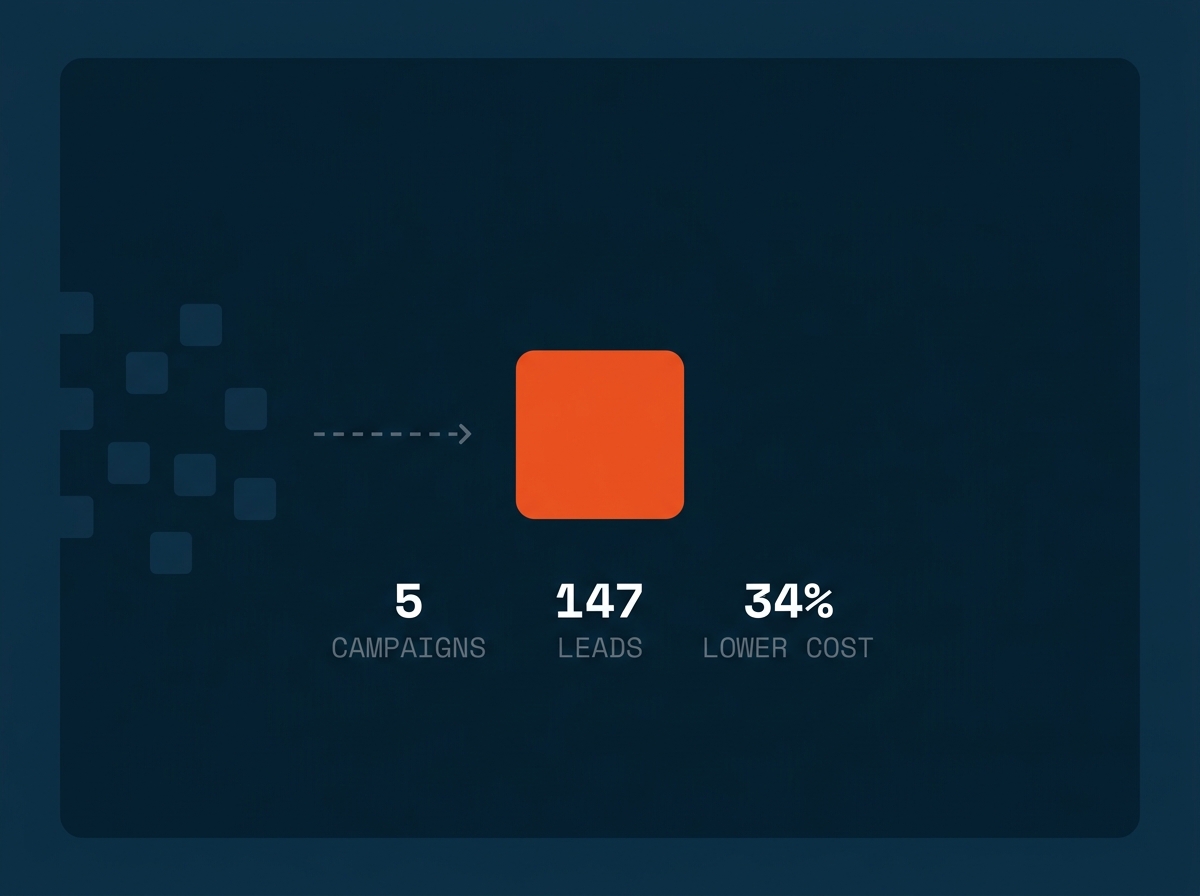
Over one quarter, DAP rebuilt the account end to end. We fixed conversion tracking, replaced nine overlapping campaigns with five focused ones, wrote market-specific ads, and launched dedicated landing pages. Booked leads recovered from 8 in April to 147 in June at a fraction of the earlier cost.
The Challenge
 Conversion Tracking Gap
 Bidding Without a Signal
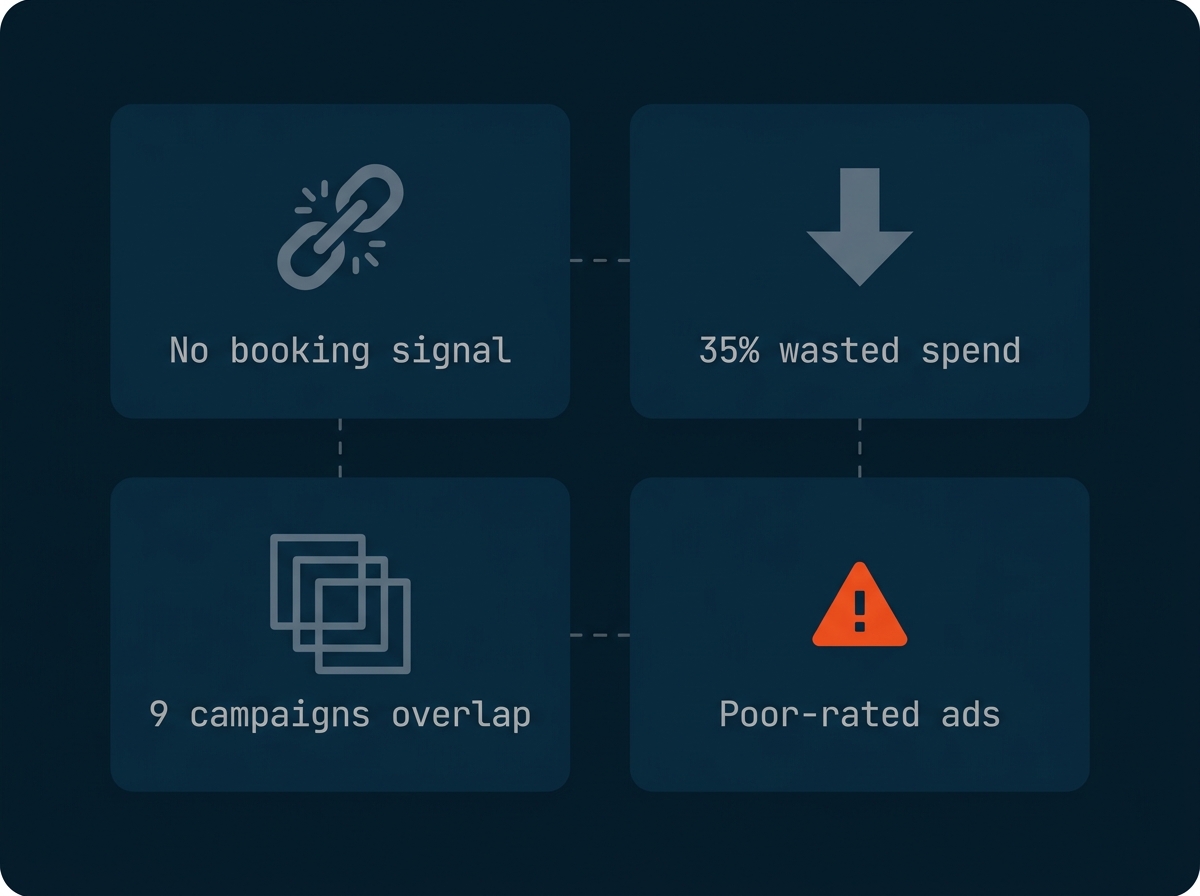
The account optimized on a single delayed import from the CRM, and the book-appointment goal had zero actions wired to it. Google's automated bidding could not see when a click became a booked patient, so it could not chase more of them.
 Wasted Ad Spend
 Budget Spent on Searches That Never Converted
More than a third of spend went to search terms that produced zero conversions, and the account showed up for only about 12% of relevant searches. Nine out of 10 times a prospective patient searched, Williamsburg Therapy Group was nowhere on the page.
Account Fragmentation Nine Campaigns Competing Against Each Other
Two generations of legacy campaigns ran at once in the same cities, so WTG bid against itself in the same auctions. Budget and conversion history scattered across too many campaigns to compete on any of them.
 Ad Quality and Blocking
 Poor-Rated Ads, Blocked Searches
Google rated every ad in the account Poor for quality. Over-aggressive negative keywords blocked WTG's own core terms, including anxiety, depression, and therapist near me, the exact searches the practice exists to serve.
How we Helped Williamsburg Therapy Group
Fixed the Tracking Foundation First
Before touching campaigns, we made the account able to measure a booked patient. Clean signals mean Google’s bidding can chase real outcomes instead of guessing.
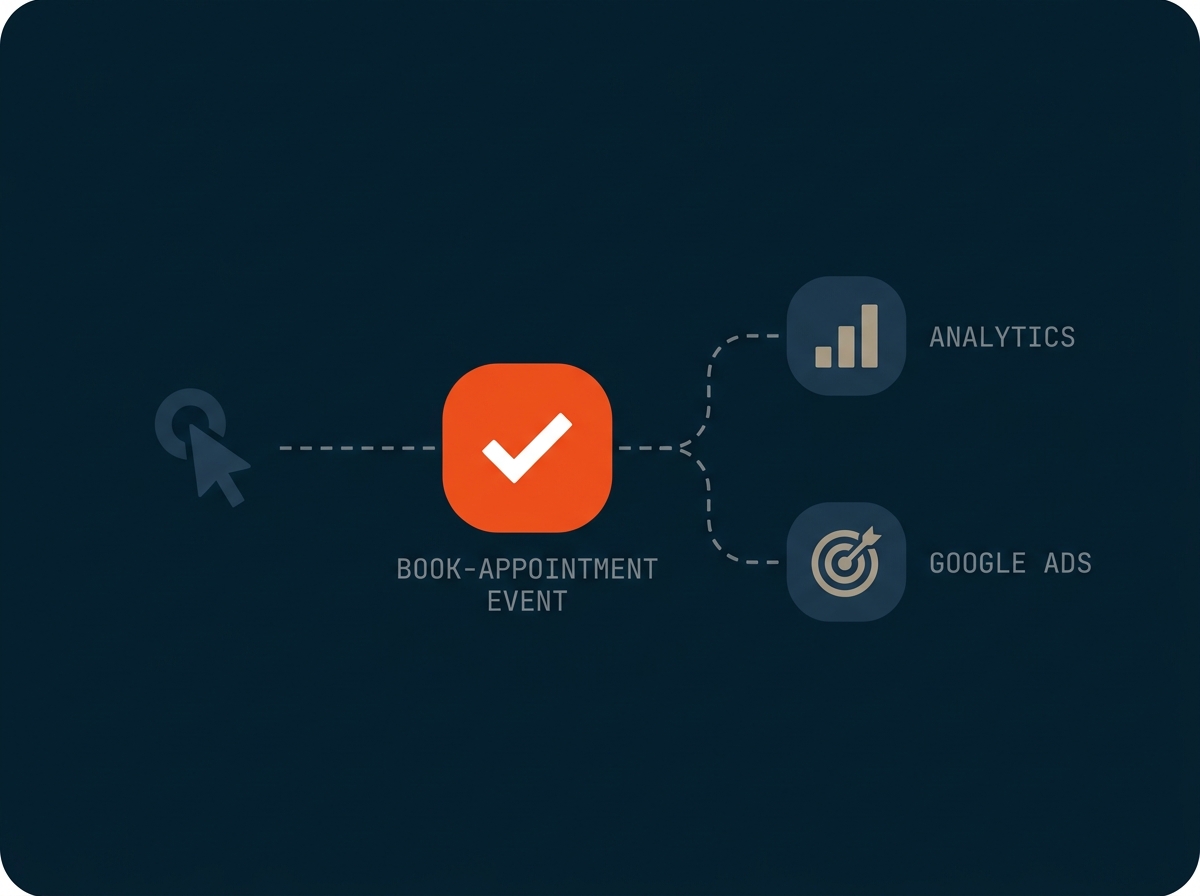
- Wired a real-time book-appointment event to Google Analytics and Google Ads
- Corrected the misconfigured conversion goals
- Resolved the Miami attribution gap that reported zero value
- Moved bidding onto verified booked-lead signals
- Rebuilt reporting around booked leads, not raw clicks
Rebuilt Nine Campaigns Into Five
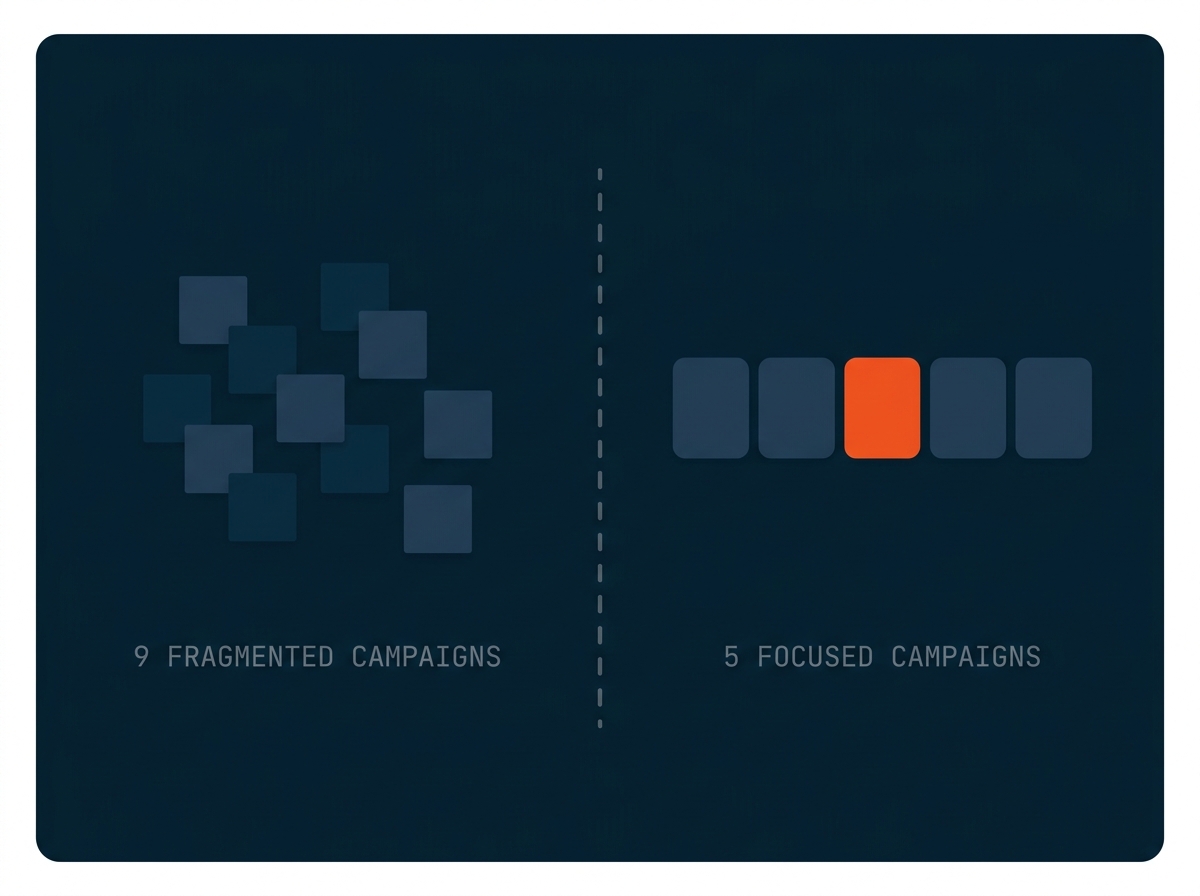
We replaced the tangled inherited structure with five focused campaigns, one per market plus brand, each organized around single-theme ad groups.
- Retired the inherited legacy and Performance Max campaigns
- Launched market-specific search campaigns for Brooklyn, Austin, Miami, and Coral Gables
- Added a dedicated brand campaign
- Grouped keywords into single-theme ad groups
- Ended the internal auction competition between campaigns
Wrote Ads and Pages Built to Convert
New creative and dedicated landing pages gave every click a relevant message and a page built to turn a searcher into a booked patient.
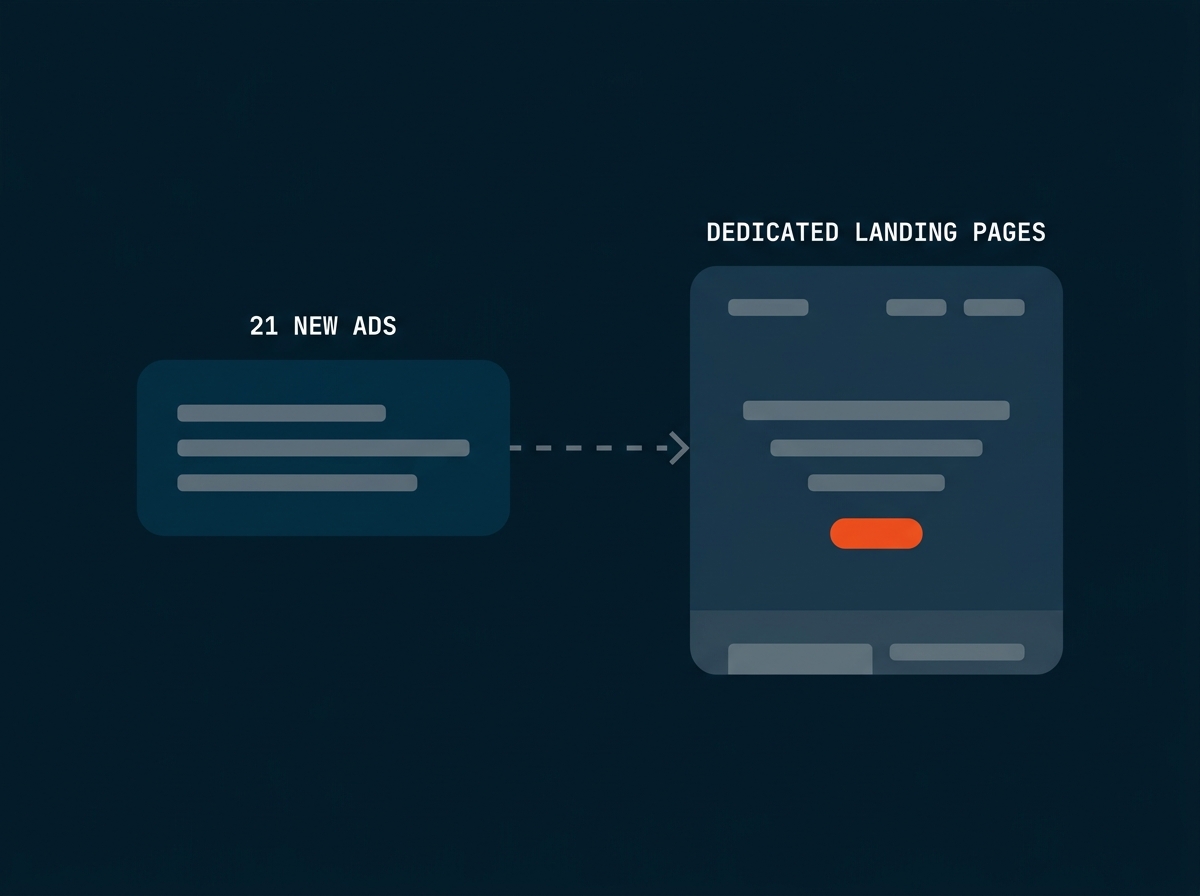
- Wrote 21 responsive search ads, one per ad group
- Refreshed sitelinks, callouts, and structured snippets by market
- Built a conversion-focused landing page template
- Delivered eight service-line page briefs
- Pointed high-intent clicks to dedicated pages, not the general site
Reallocated Budget and Cleared the Blocks
With clean data in hand, we moved money toward what worked and reopened the high-intent searches the old account had shut off.
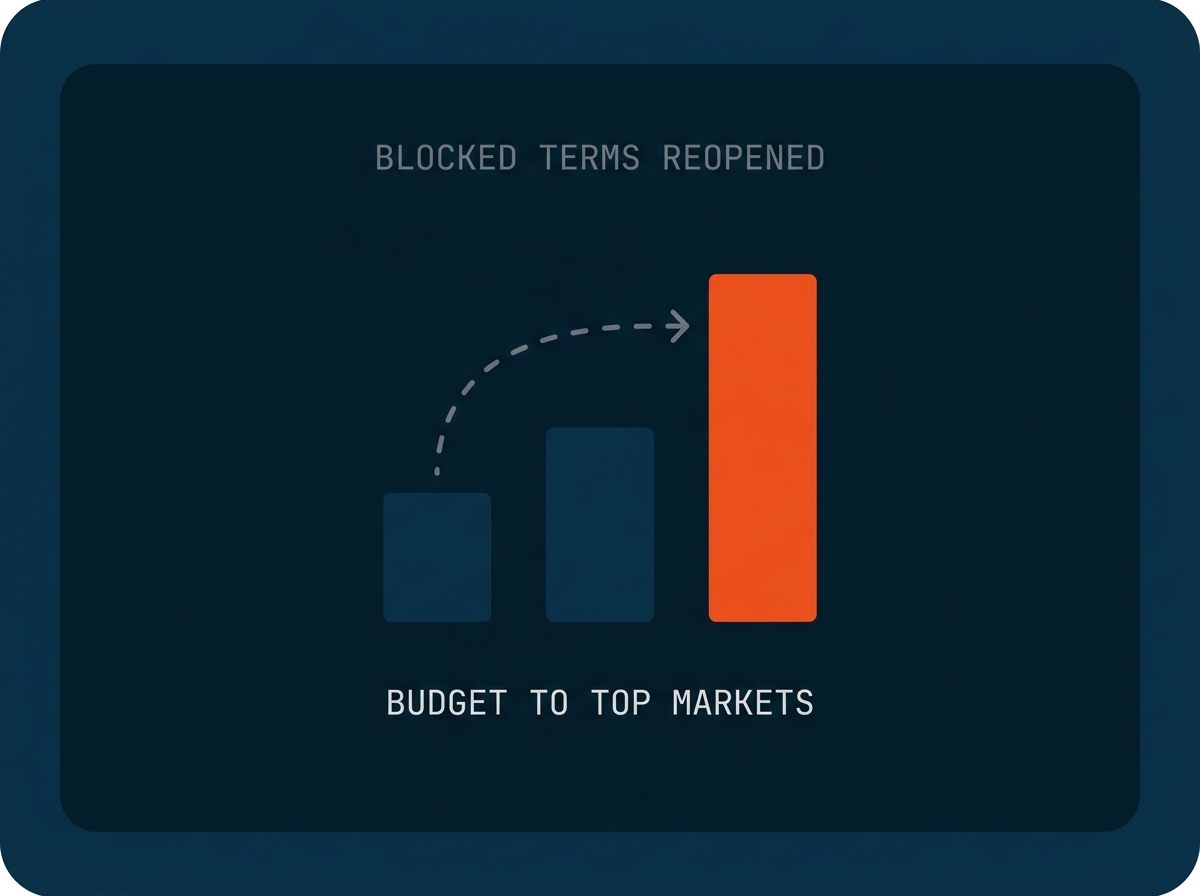
- Shifted budget toward the most efficient markets
- Cleared legacy negative keywords blocking core searches
- Reopened high-intent terms like anxiety and depression
- Trimmed wasted spend on non-converting head terms
- Concentrated spend on brand and Brooklyn efficiency
What we Achieved

Lead form submissions, the metric WTG cares about most, recovered from a cold-start 8 in April to 147 in June. By late June the account produced a steady 24 to 47 quality leads every week.

As tracking landed and the new structure matured, cost per booked lead fell from more than $2,000 during the April cold-start to about $158 in June, well inside the target band.

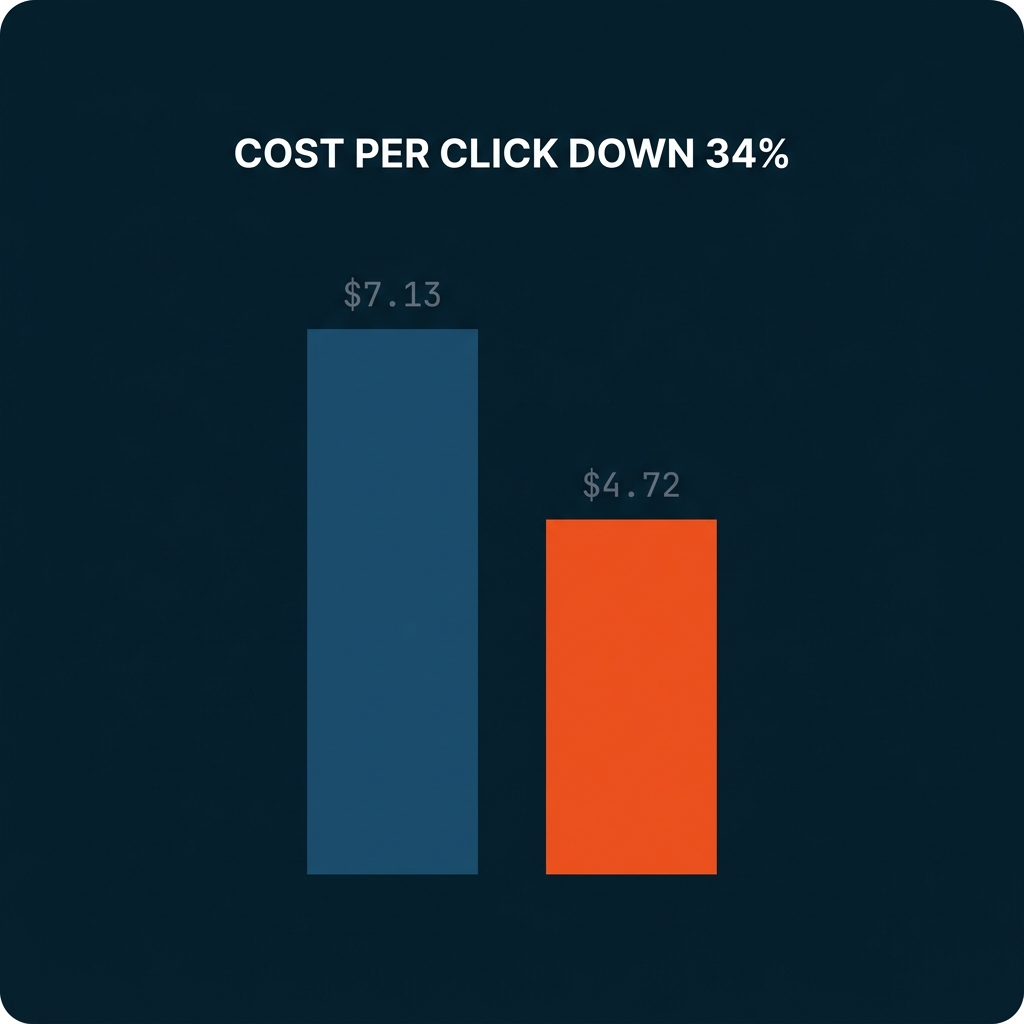
Tighter themes and stronger ads raised quality scores, so Google charged less and showed the ads more often. Average cost per click dropped from $7.13 to $4.72, and click-through rate more than doubled to 5.06%.
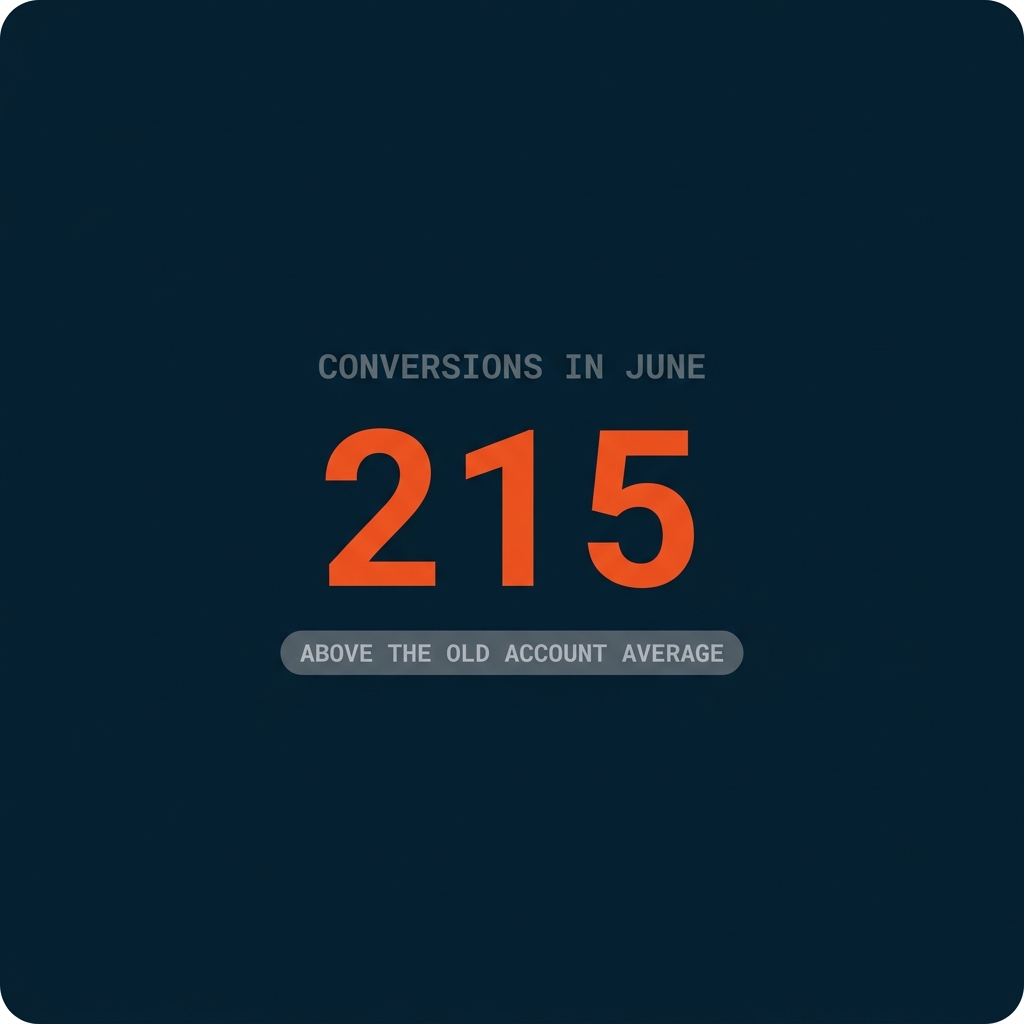
Once tracking was live, May and June each beat the old account’s monthly average of about 176 conversions. June reached 215 at roughly $144 each, compared with about $190 before.

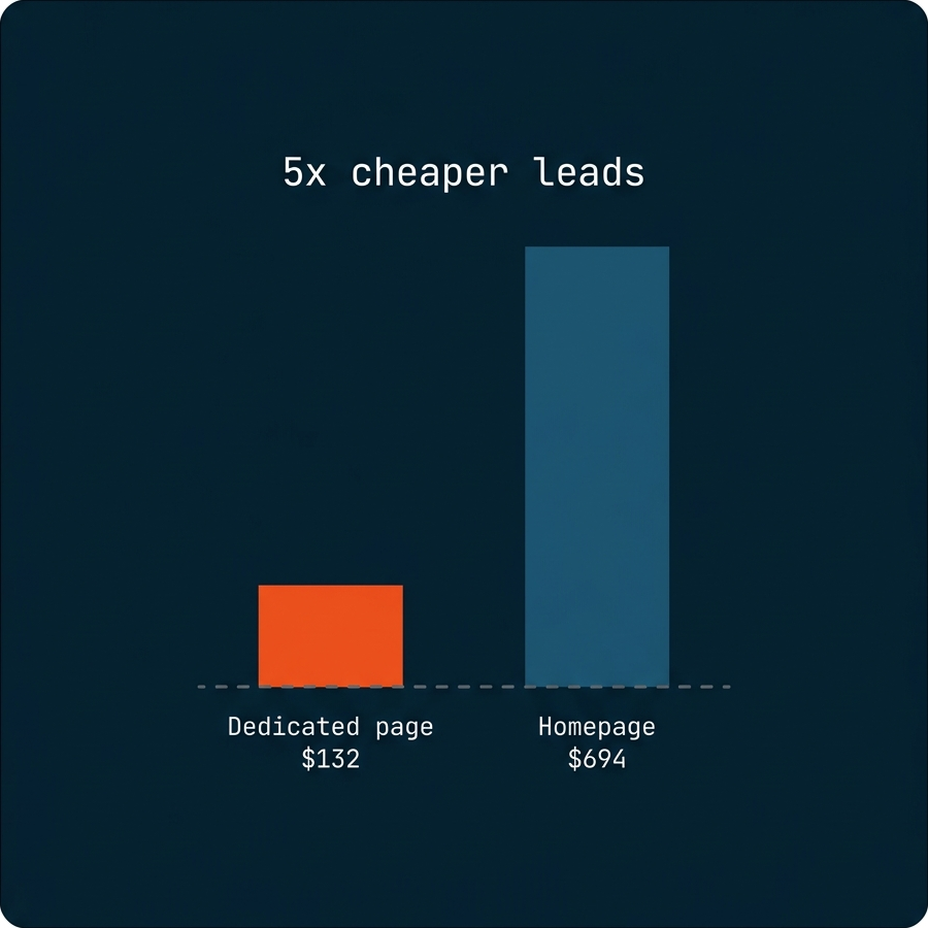
Sending paid clicks to purpose-built landing pages instead of the general site changed the economics. Dedicated pages produced leads at $132 each, against $274 on general pages and $694 on the homepage.