McGraw Hill
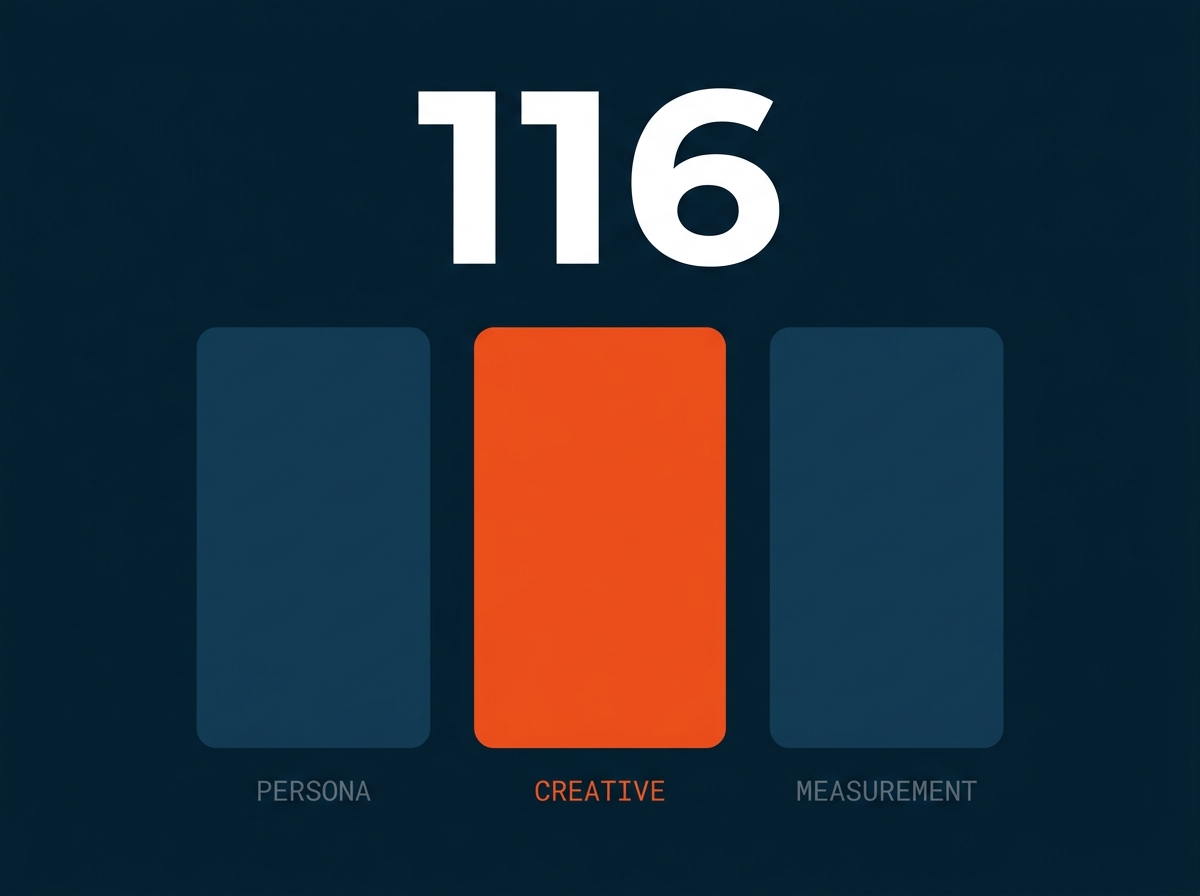
McGraw Hill competes in one of the most constrained B2B markets there is. Its medical education division sells to a named list of 116 universities worldwide, spread across four regions and two languages, where a single subscription decision runs 12 to 18 months and passes through faculty, deans, librarians, procurement and IT. Volume marketing has nothing to work with here. An earlier LinkedIn programme had produced no qualified interest, and sales teams across three continents had stopped acting on marketing leads. Digital Authority Partners rebuilt the programme around one persona first, tested creative until a pain point beat a product benefit by three times on click-through, and put a measurement layer underneath it. LinkedIn lead forms converted at 3.6 times the rate of the landing pages, and 42% of the qualified leads that followed asked to speak to McGraw Hill directly.
McGraw Hill is one of the largest educational publishers in the world, with more than 4,000 employees across more than 30 countries. Its medical education division promotes AccessMedicine, AccessWorldMed, Case Files and Boards & Beyond to institutions across EMEA, LATAM and APAC. The addressable market is a named list of 116 medical schools, expanded to 251 in May 2026. A market that size rewards Account-Based Marketing and punishes volume plays.


Project Summary
Before Digital Authority Partners came in, McGraw Hill was running campaigns that carried the Account-Based Marketing label without the mechanics behind it. Messaging was generic, personas were not separated, and nothing tied marketing activity back to the pipeline. The brief was to prove that marketing could create qualified interest inside a buying cycle that runs 12 to 18 months and involves a committee of faculty, deans, librarians and executives across four continents.
DAP rebuilt the programme from the persona up. Faculty led, with separate campaign tracks for deans and librarians behind them. Creative moved off product benefits and onto a pain point that faculty recognised, which tripled click-through. Spanish localisation opened LATAM, which went on to become the strongest region on the list. Marketo was rebuilt so qualification could be measured rather than assumed. Across nine months the programme captured 227 leads, qualified 52 of them, and put 22 senior faculty in front of McGraw Hill.
The Challenge
 Constrained Market
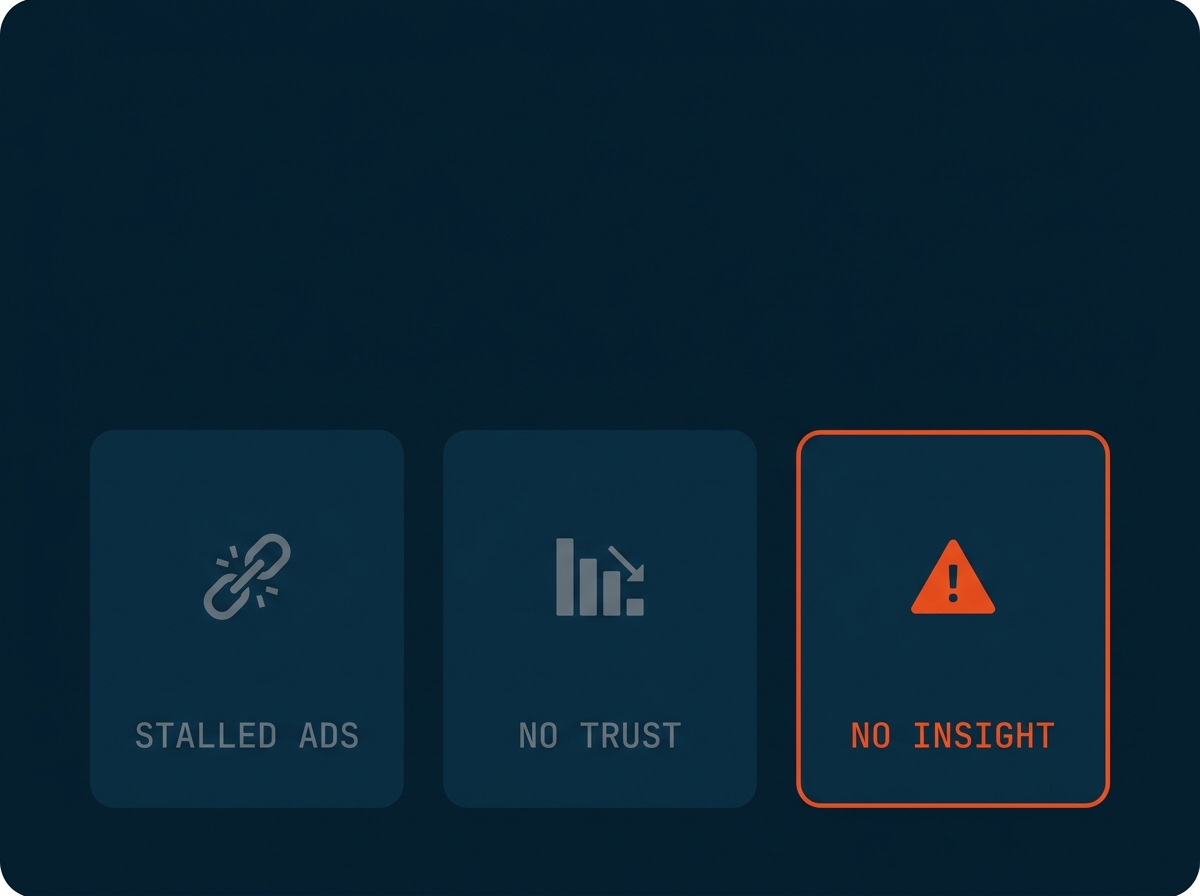
 A Named List of 116 Universities, Worldwide
When the entire market is 116 institutions, there is no room for spray and pray. Buying cycles run 12 to 18 months, decisions pass through faculty, deans, librarians, procurement and IT across four continents, and every impression has to land on a named person at a named school. This is the case Account-Based Marketing exists for.
 A Programme That Had Stalled
 An Earlier LinkedIn Effort Had Produced No Qualified Interest
Budget had gone into LinkedIn and nothing qualified had come back. Nobody could say whether the problem sat in the targeting, the messaging, the creative or the platform, which left leadership guessing at the fix.
 Sales and Marketing Had Split
 Sales Teams Across Three Continents Had Stopped Acting on Leads
Teams in Europe, Latin America and the Middle East had written marketing off. Leads went unworked. Arguments about lead quality went in circles, because neither side had a shared definition to argue from.
Measurement Marketo Was in Place and Producing No Insight
Marketo existed on paper. Tracking was inconsistent, nothing joined up across platforms, and leadership had no way to see whether marketing was contributing. Without that, every decision was a guess and every disagreement was unresolvable.
How We Helped McGraw Hill
One Persona First, and a List Sized to the Committee
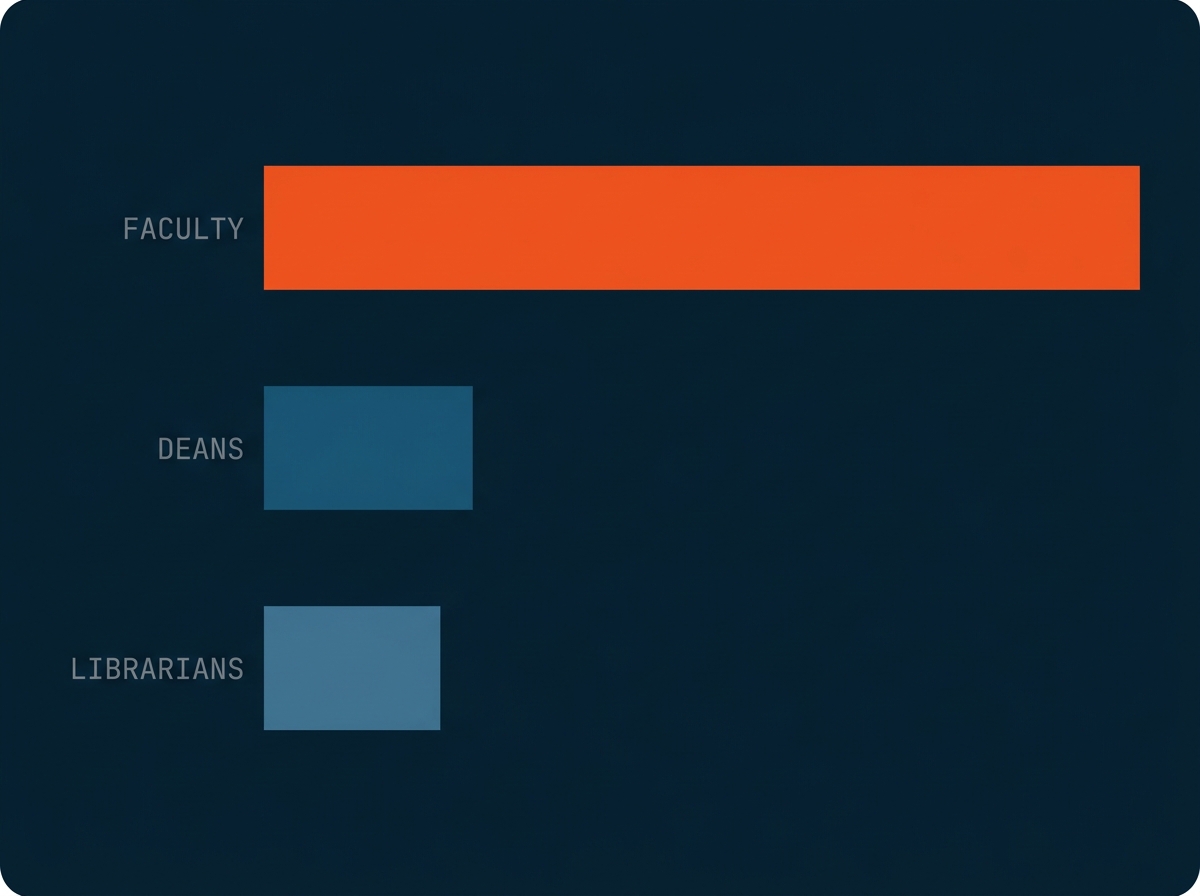
The early call raised eyebrows internally: stop talking to everyone at once. Faculty, deans and librarians all matter in the decision, and hitting all three with the same message at the same time had been diluting all three. Faculty went first, and the rest of the programme was built behind that bet.
- Led with faculty, based on how the decision forms inside these institutions in practice
- Built separate campaign tracks for faculty, deans and librarians, each with its own messaging
- Targeted 116 named medical schools across four regions: LATAM 41, Europe 35, MEA 30, APAC 9
- Moved budget onto faculty once Phase 1 data showed where qualification was coming from
- Held targeting to the named list, with an account match rate above 90%
Creative Built on a Pain Point, Then Tested Until It Won
Generic digital learning language was doing nothing. The creative that worked named something faculty see every day: students who have already gone to YouTube for the explanation. That single shift tripled click-through, and the programme kept testing from there.
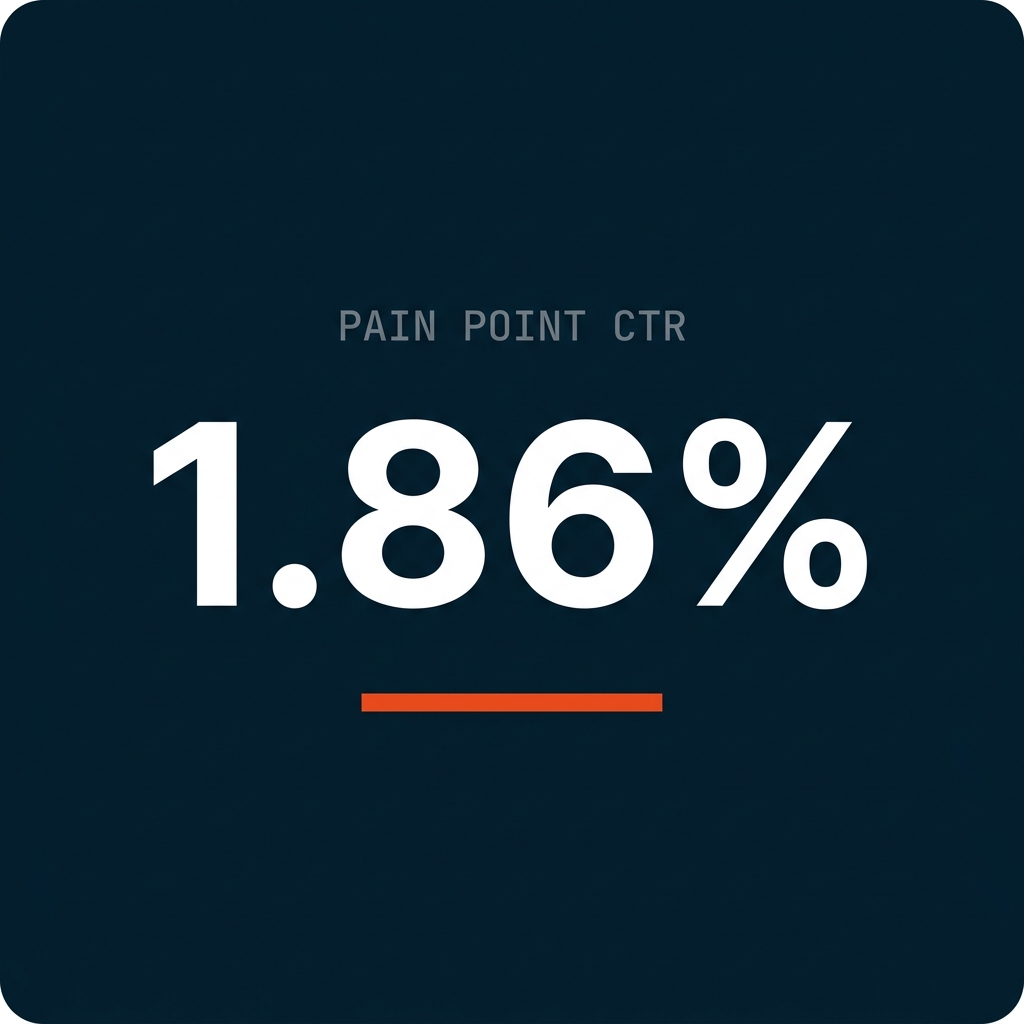
- Pain-point creative reached 1.86% click-through against 0.54% to 0.86% on generic benefit messaging
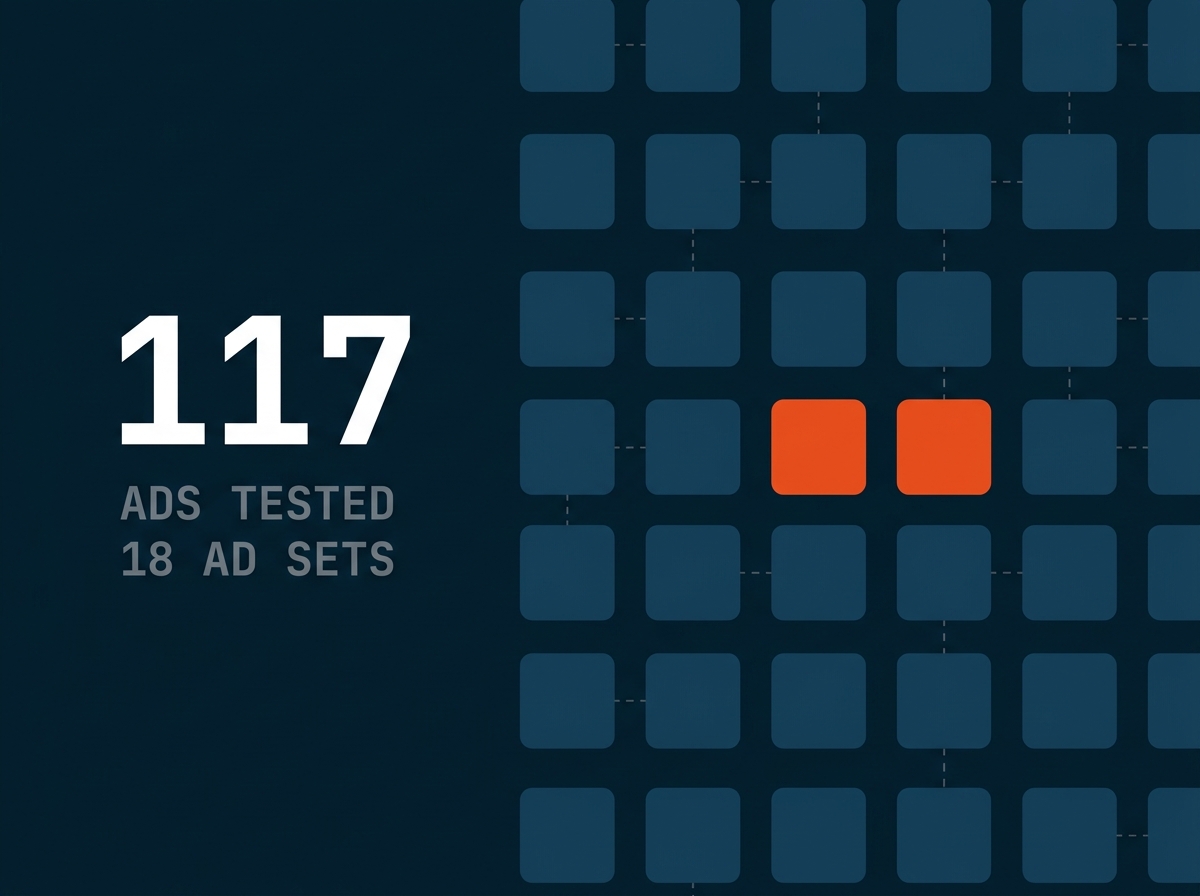
- Built and tested 117 individual ads across 18 ad sets over nine months
- Wrote the whitepaper "Beyond Traditional Textbooks: Meeting Medical Students Where They Learn Today"
- Built three persona landing pages and A/B tested capture through LinkedIn lead forms
- The strongest single ad reached 1.53% click-through, more than three times the LinkedIn median
Spanish Localisation, and the Region It Opened
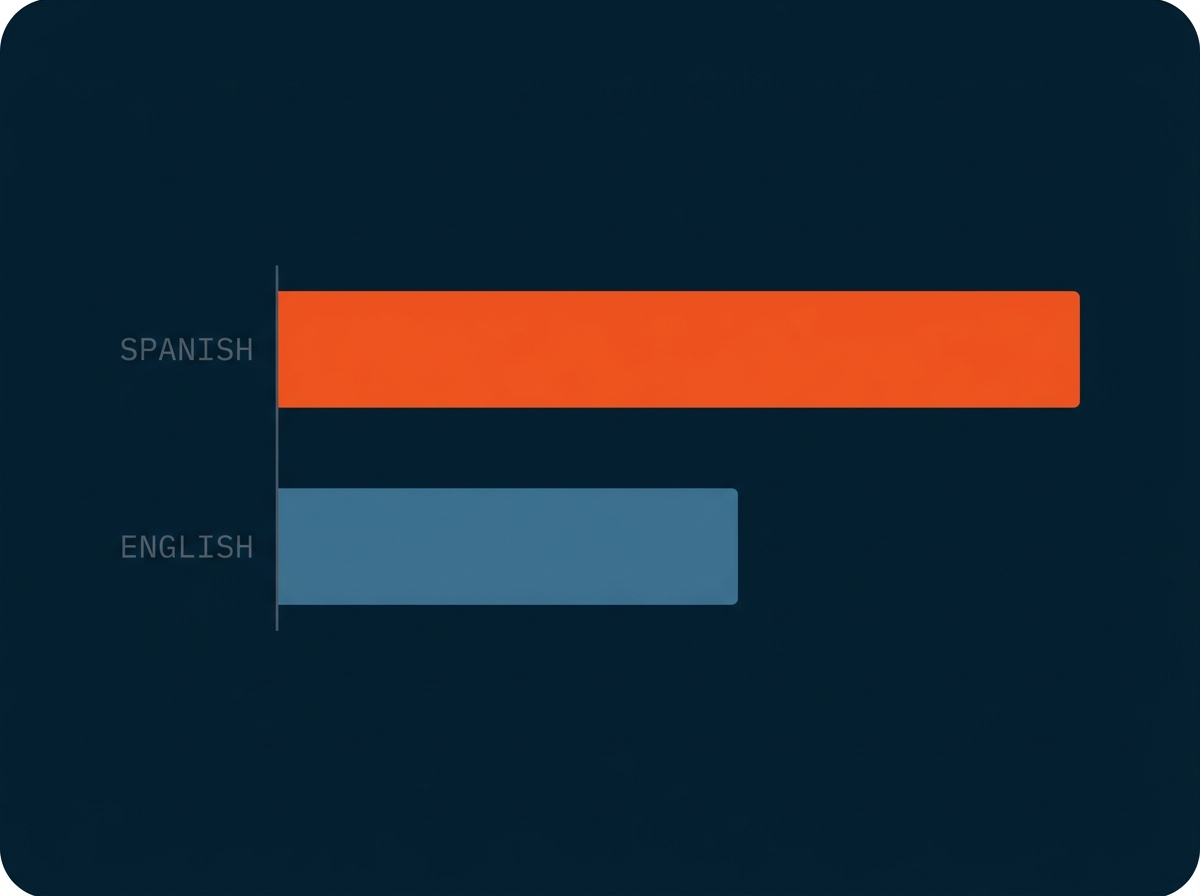
LATAM was engaging on English-only assets, which was a signal worth acting on. Spanish creative, landing pages and nurture followed, and LATAM became the best-covered region on the list.
- Built Spanish creative, landing pages and an email nurture track for LATAM
- Spanish campaigns drew 2.3 times the inquiries of their English counterparts on the same offer
- LATAM reached 66% of its named accounts and APAC 56%, both inside the 50% to 60% goal band
- Identified Arabic and Italian as the next two languages, covering 75 accounts on the list
- Ran region-specific targeting across LATAM, Europe, MEA and APAC from one named list
Marketo Rebuilt So Qualification Could Be Measured
Marketo was meant to be the engine and was barely turning over. DAP rebuilt it into something that could carry a definition of qualified and hold to it, which is what finally gave sales and marketing a shared number to work from.
- Rebuilt the configuration with consistent tracking, lead scoring and funnel metrics
- Wrote four nurture sequences of five emails each, split by persona and language
- Built dashboards and a review cadence so leadership could see qualification month by month
- Flagged engaged contacts for direct sales outreach, with a written playbook behind it
- Added enrichment that resolves the institution from the email domain, recovering 22 target-university leads the company-name field had missed
What We Achieved

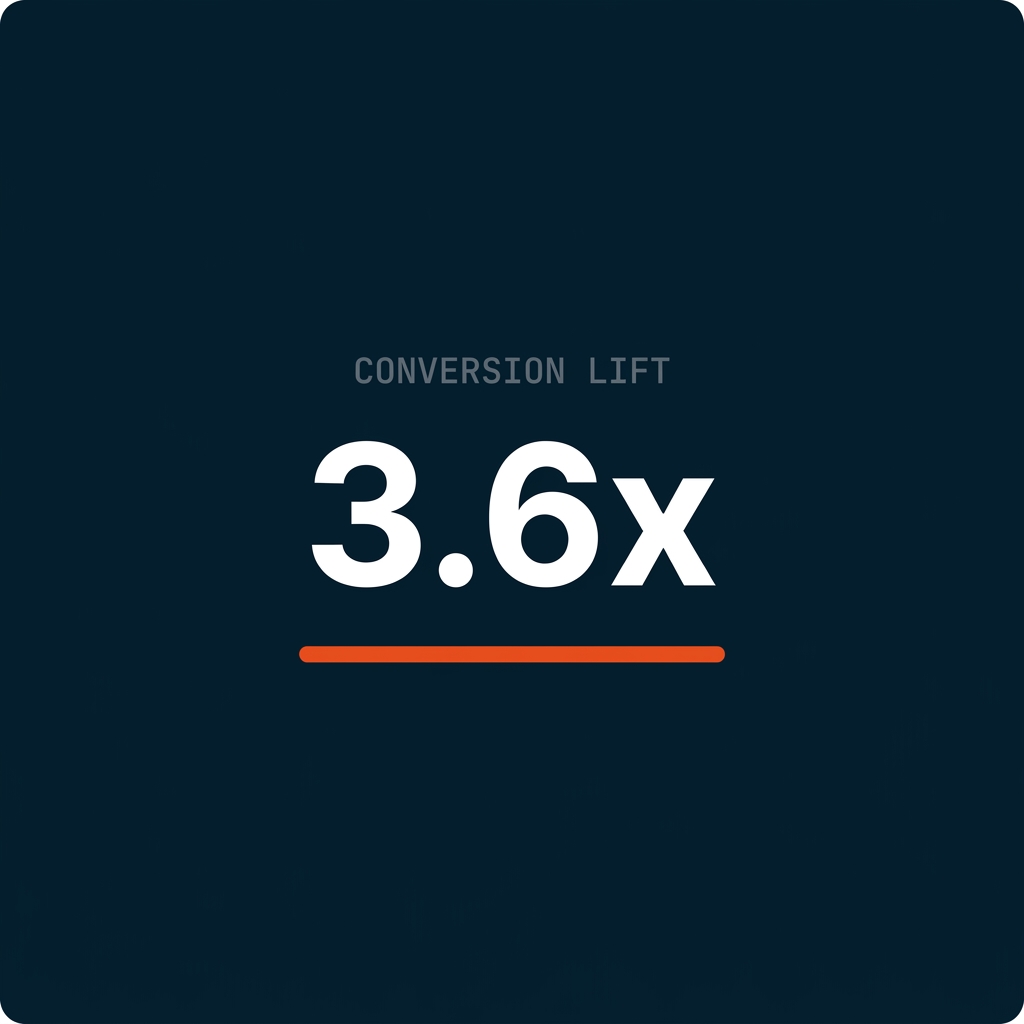
A head-to-head test put LinkedIn lead forms against traditional landing pages on the same offer. Pre-filled forms converted at 18.16% against 5.0% on the landing pages, and the budget moved accordingly. The decision was about which route produced people who kept engaging afterwards.

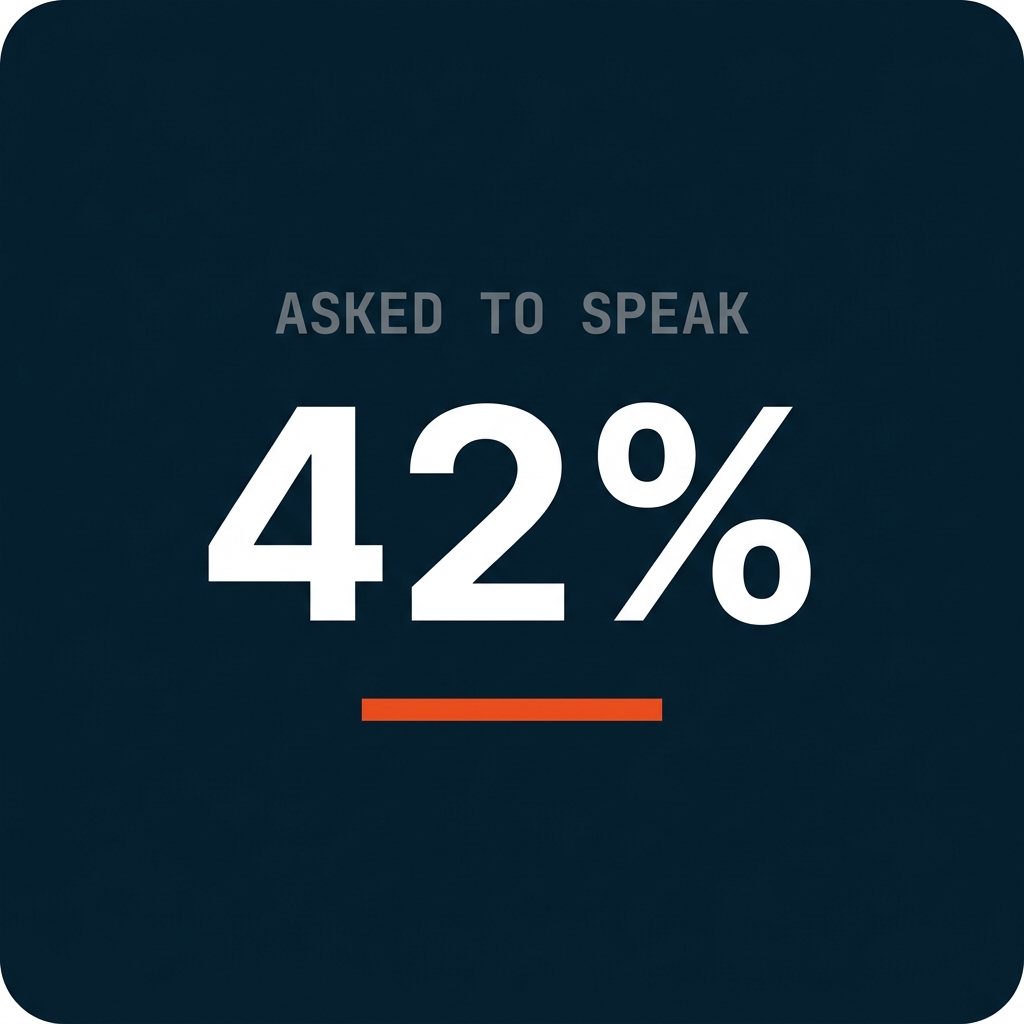
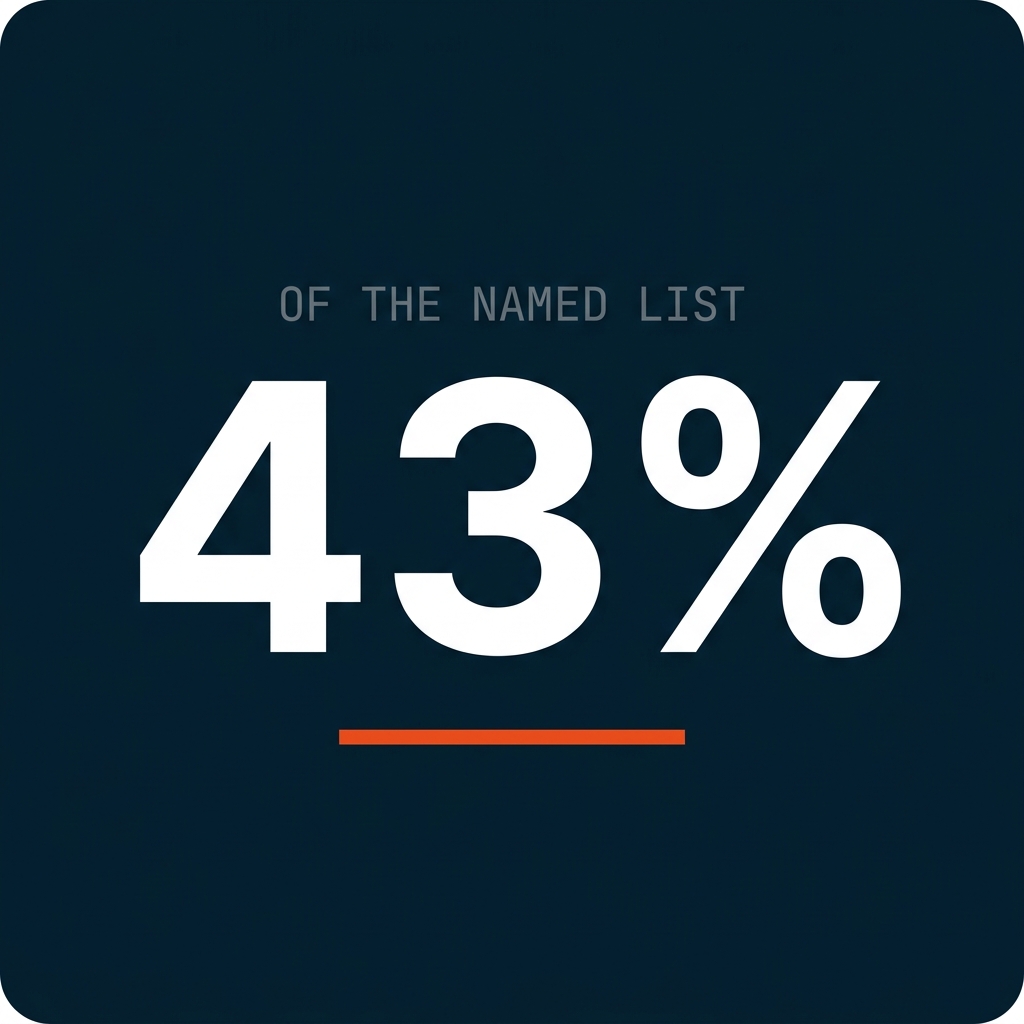
Of 52 marketing qualified leads, 22 went on to request a conversation. The programme was planned around 30%, and published benchmarks for that step run from 13% to 40%. The qualification bar here was strict: the right title, inside medicine or health sciences, at a university on the list.

Ads that named student disengagement beat generic digital learning language by two to three times on click-through, at 1.86% against 0.54% to 0.86%. The finding held across every persona and every region tested, and it reset the creative direction for the rest of the programme.

The programme reached 50 of the 116 named medical schools, and 55 institutions once the accounts added in May 2026 are counted. LATAM led at 66% and APAC followed at 56%, both inside the goal band, on English-only creative in the early months.
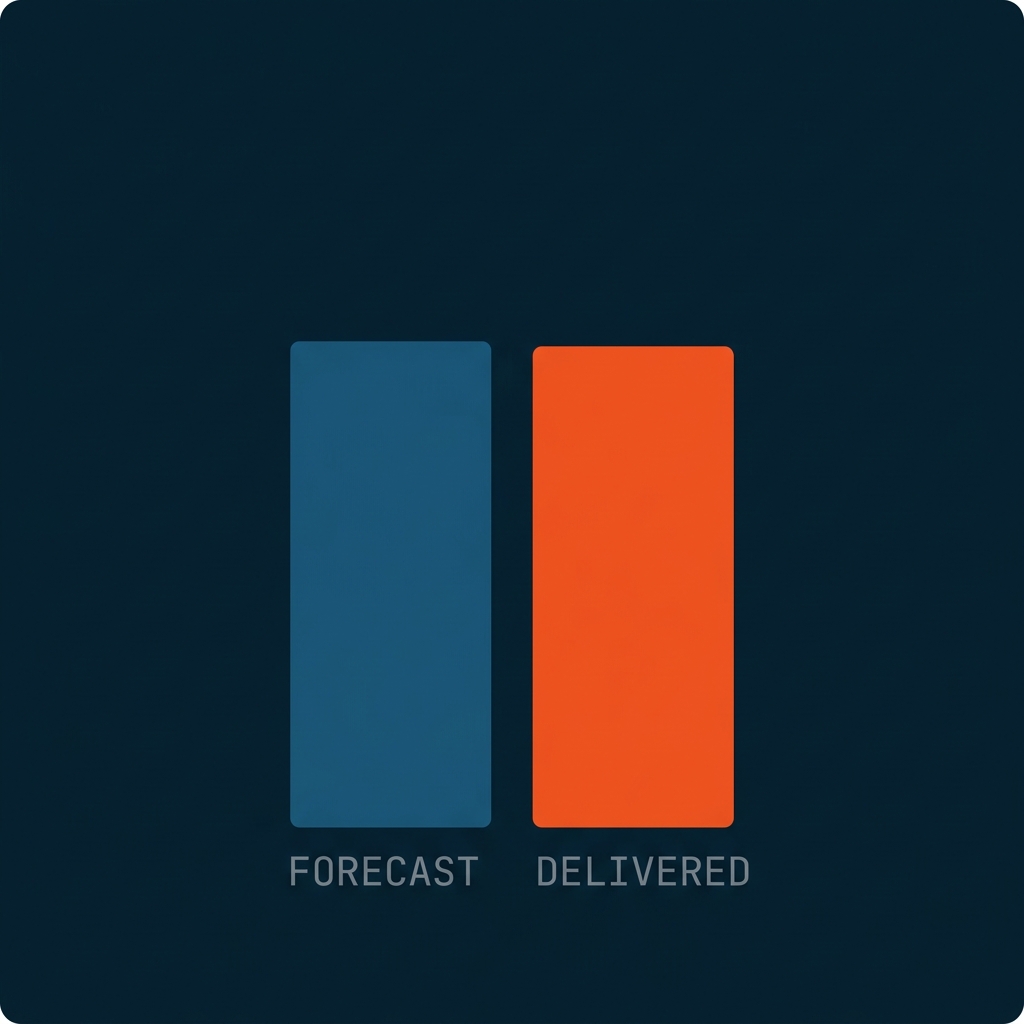
In October 2025, before a single ad ran, DAP put a download-to-qualification forecast of 10% in writing, alongside the constraint that would set the ceiling. The programme delivered 9.7%. Forecasting a niche B2B programme to within a third of a point is the kind of proof point a cautious buyer notices.