How To Use Social Media Marketing in the Healthcare Industry

More than 8 in 10 U.S. adults use YouTube, and most spend time across several networks, according to data on Americans’ social media use. Your future patients are already forming opinions about providers before they ever call. Healthcare social media marketing turns that attention into trust and booked appointments. At Digital Authority Partners (DAP), we’ve run organic social for 150-plus healthcare organizations, and the pattern stays consistent. Practices that deliver helpful, compliant content win patients.
This guide walks you through setting clear goals, staying compliant with patient privacy rules, creating engaging content, choosing the right platforms, and measuring results. Each step ties your social presence to the wider plan behind our healthcare digital marketing services.
What Is Healthcare Social Media Marketing?
Marketing a healthcare practice on social media means using platforms such as Facebook, Instagram, YouTube, LinkedIn, TikTok, and X to educate patients and build trust while you protect their privacy. It blends three responsibilities. You handle patient education, brand building, and community engagement, all under stricter rules than most industries face.
The goal is simple. Become the provider a prospective patient remembers and trusts when they need care. Every post should answer a question, build credibility, or move someone one step closer to booking.
Why Does Social Media Matter in Healthcare?
Healthcare social media improves how patients find and understand your medical information. When you understand how it fits your wider social media and SEO strategy, you improve the patient experience across every channel. Patients increasingly turn to social platforms for guidance. Half of U.S. adults use social media to find health information and advice at least occasionally, so an accurate, trusted voice carries real weight.
Here are ways social media can shape your healthcare services:
- Share health tips and awareness content on Facebook and Instagram to educate the public.
- Connect patients with peer communities so they feel supported and informed.
- Promote healthy behaviors and vaccination awareness through targeted campaigns.
- Use LinkedIn to network with peers, stay current on trends, and support professional development.
These uses show the real influence of social media in healthcare. The benefits, especially information sharing and patient engagement, help you improve how you connect with the people you serve. More than 40% of healthcare consumers already use social media to choose their providers and hospitals, so a steady presence reaches patients right when they decide.
HIPAA Compliance Sets Healthcare Social Media Apart
Compliance with the Health Insurance Portability and Accountability Act (HIPAA) is what sets healthcare social media marketing apart from other industries, and getting it right protects both your patients and your practice. The U.S. Department of Health and Human Services Office for Civil Rights publishes HIPAA enforcement penalties data that shows why a clear process pays off. A simple, documented workflow keeps you confident every time you post.
Protect your practice with a few essentials:
- Ask for written consent before you share protected health information (PHI), including names, photos, or any detail that could identify a patient. Federal privacy rules spell out when you need that authorization.
- Keep every health claim accurate and evidence-based, in line with FTC health products compliance guidance.
- Document a social media policy that defines who can post, how you approve content, and how your team handles questions.
- Move any personal health conversation from public comments into a private, secure channel.
We build these guardrails into every healthcare social media account we manage. For a deeper look, read our guide to healthcare digital marketing and HIPAA. Strong compliance supports growth because it lets you post with confidence.
Set Clear Healthcare Social Media Goals
Measurable goals help your information reach the right people and give you metrics to track. A clear healthcare social media strategy defines your audience and shows what success looks like. Use these tips to set strong objectives:
- Define your main goal, whether that is patient education, brand awareness, or customer support.
- Make goals specific, measurable, achievable, relevant, and time-bound (SMART). For example, aim to increase patient engagement by 30% in three months.
- Understand your audience, then tailor objectives to their needs and the content you plan to share.
- Align every objective with healthcare regulations and patient privacy guidelines.
- Track KPIs such as shares, comments, click-through rates, and conversions, then review them regularly to refine your approach.
Clear objectives make your healthcare social media efforts easier to run. You reach your audience, meet regulatory standards, and build a stronger presence. When your teams coordinate across departments, the plan stays unified. See how a data-driven plan plays out in our healthcare marketing case study, then set targets that match the results you want.
What Makes Healthcare Social Media Content Engaging?
Engaging content communicates vital healthcare information and keeps patients coming back. The strongest posts simplify complex topics into digestible pieces and use clear graphics and video to carry the message. They also humanize your services with stories and patient testimonials that add relatability, drawing on the same principles in our SEO guide to content marketing. Video also earns attention fast, and 89% of consumers say video quality shapes their trust in a brand, which makes clear clips a natural fit for patient education.
Showcase the range of your services and highlight the advanced technologies and specialties you offer. Share practical health tips, address common concerns, and offer preventive guidance your patients can act on. Take your audience behind the scenes, and promote awareness campaigns with relevant hashtags so more people discover your content.
Strong healthcare social media content marketing balances information, approachability, and visual appeal. That mix gives your patients a great experience and keeps them coming back.
Which Social Media Platforms Work Best for Healthcare?
Each platform presents healthcare content differently, so understanding each one’s strengths improves your visibility. Only a handful of platforms reach most U.S. adults, so focus your energy where your patients actually spend time.
Here are popular channels and how to use them:
- Facebook: Strong for community engagement. Create a dedicated page and use Facebook Groups to build niche communities.
- Instagram: Built for visual storytelling. Share infographics and Stories, and use hashtags to increase discoverability.
- YouTube: The most widely used platform. Publish educational videos and host live question-and-answer sessions.
- TikTok: Reaches younger audiences with short videos. Use it for quick tips, myth-busting, and humanizing your team.
- LinkedIn: Builds industry authority. Connect with other professionals, share insights, and support recruitment.
X can help with real-time updates and customer service when a health topic is trending. When you tailor content to each platform’s strengths, you increase visibility and reach a wider audience while keeping your healthcare social media marketing presence focused. U.S. adults spend more than two hours a day on social media, based on daily social media usage data, so meeting them with a steady cadence keeps your practice visible.
How Do You Engage the Online Healthcare Community?
The online healthcare community is where patients and professionals exchange information and support. Use these strategies to engage your community effectively:
- Maintain active, professional profiles and respond promptly to comments and messages.
- Run interactive campaigns that invite members to share experiences and join discussions.
- Host live sessions with clinicians to answer real-time community questions.
- Create groups or forums where members share experiences and participate to build trust.
- Encourage patients to share reviews to build credibility and support your reputation.
- Host webinars and online events, inviting experts to discuss conditions, treatments, and advances.
- Use healthcare-specific tools such as telehealth and health monitoring apps to connect with patients.
Effective engagement takes consistency, transparency, and a genuine commitment to supporting your community. For more ideas to strengthen your healthcare social media strategy, see our healthcare content marketing strategies.
How Can You Use Multimedia and AI Content?
Multimedia enriches digital healthcare and creates a more patient-centric experience. Use these tips in your strategy:
- Create informative videos explaining conditions, treatment options, and preventive measures.
- Use images and explainer videos during remote consultations to improve communication.
- Build training modules for staff and recovery guides for patients.
- Share expert interviews and discussions through podcasts for on-the-go audiences.
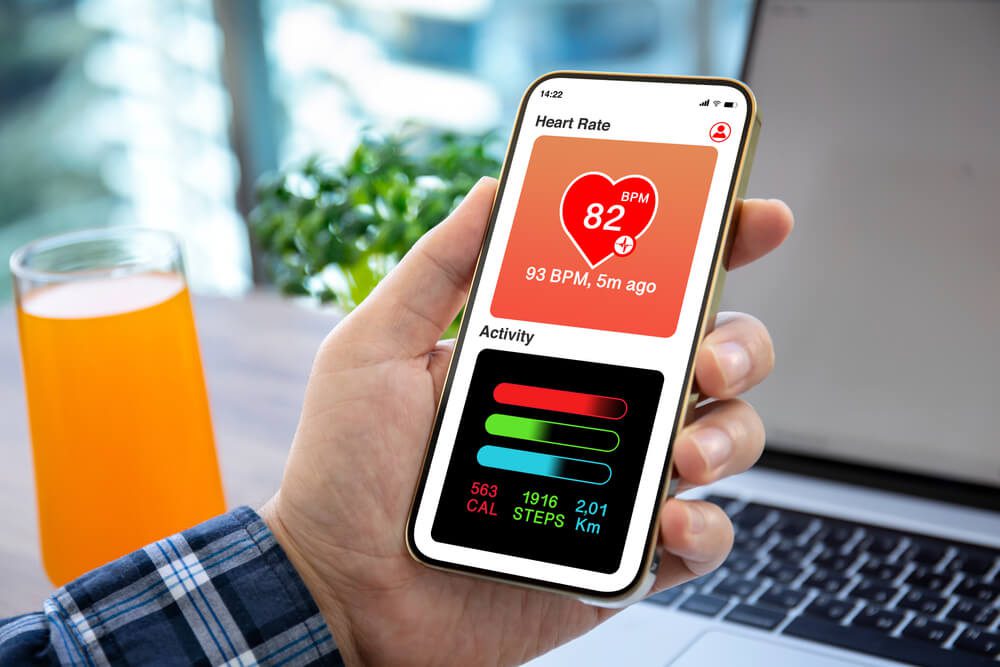
- Present visual health data from wearables so patients can understand trends and decisions.
Artificial intelligence now speeds up content creation, captioning, and repurposing, and healthcare adds one clear rule. A human reviews everything before it goes live. Never enter protected health information (PHI) into public AI tools, and route AI-drafted posts through the same clinical and compliance approval you give any other content. Used this way, AI saves your marketing team time on healthcare social media while it protects trust and accuracy.
Post on a Cadence You Can Sustain
There’s no universal posting schedule, and consistency matters more than volume. Three high-quality, compliant posts a week on one platform usually outperform daily posts spread across five. In our work managing healthcare social media accounts, marketing teams that commit to a steady cadence earn the most reliable engagement, because a consistent rhythm keeps patients looking forward to your content.
A simple content calendar keeps you consistent:
- Plan posts around awareness months, seasonal health topics, and local community events.
- Batch-create content in advance so a busy week still has a full feed.
- Reserve room for timely posts when a relevant health topic starts trending.
- Track your best-performing days and times, then publish when your patients are active.
Start with a schedule your team can sustain, measure what resonates, and scale up as you maintain quality. A predictable rhythm signals reliability to patients and to the platform algorithms that decide who sees your content.
How Do You Measure Social Media Success in Healthcare?
Measuring performance lets you optimize your healthcare social media marketing and improve both content and patient communication. Lean on our social media metrics to measure success and guidance to track what counts. The average patient now uses nearly seven social platforms each month, so track results on each channel and invest more where engagement runs highest.
Adjust with intent. Analyze content regularly so you learn from both your top and low performers, and use audience feedback to refine your approach. Adapt to algorithm and feature updates, such as leaning into video when a platform favors it, and experiment with posting frequency and timing to find your best schedule. Working with healthcare influencers and other professionals broadens your reach and brings fresh perspectives.
Consistent measurement helps you adapt quickly to shifts in patient preferences and keeps your healthcare social media accurate, reliable, and useful. Above all, it uses real data to match your content to what patients need.
Frequently Asked Questions
Still weighing how to put social media to work for your practice? Here are clear answers to the questions healthcare teams ask us most.
What Are Common Social Media Mistakes in Healthcare To Avoid?
The main ones are sharing patient information without consent, making unsupported health claims, using stigmatizing language, and stretching across too many platforms. A documented healthcare social media policy and a clear marketing approval workflow prevent most of these before they happen.
Is It a HIPAA Violation To Post on Social Media?
Posting on its own is fine. Sharing PHI without written patient consent is not. That includes names, photos, or any detail that could identify a patient, even a celebratory recovery post. When in doubt, leave it out or get written authorization first.
Can Healthcare Providers Respond to Patient Questions on Social Media?
Yes. Answer general questions publicly, and move any personal health discussion into a private, secure channel. Avoid confirming that someone is your patient or referencing their care in a public reply, since that can expose PHI.
How Much Does Healthcare Social Media Marketing Cost?
Cost depends on your scope. The main drivers are in-house time, content production, paid promotion, and whether you work with an agency. Many practices start lean on one or two platforms and scale as they see returns. A social media marketing partner who knows healthcare can help you set a budget tied to clear goals rather than guesswork.
Grow Your Practice With Social Media Marketing
Most U.S. adults are active on social media, so your patients are already there. The real question is whether they find helpful, trustworthy content when they arrive. Healthcare social media marketing works best when it educates people, builds your reputation, and guides them toward booking, all while it protects their privacy.
The fundamentals hold across every channel. Measurable objectives turn scattered posting into a strategy you can track. Education builds trust when you teach before you promote. Compliance gives you the confidence to post freely, and steady measurement drives growth by showing which referral traffic and appointments to pursue.
Ready to strengthen your healthcare social media strategy? Contact Digital Authority Partners to schedule a free consultation and build a strategy that turns followers into patients.
Want To Meet Our Expert Team?
Book a meeting directly here

Related Articles

Demand for therapy is at an all-time high, yet nearly half of the 62 million U.S. adults with a mental illness receiv...


AI in digital health has moved from research labs into daily care. A phone camera can now screen for diseases that on...
The best health apps turn your phone into a daily tool for tracking habits, managing health conditions, and building ...